

 By Collins Sarkodieh
In many parts of Ghana, tradition and modern life are often treated as separate worlds. But every so often, a story emerges that challenges that assumption and reminds us how deeply connected they really are.
That is exactly what unfolded in the Volta Region, where a serving Ghanaian naval officer has been enstooled and coronated as Mamaga Tsa-Tsugbe I, the Paramount Queen Mother of Ziavi. It is a moment that carries both cultural weight and contemporary relevance, blending military service with ancestral responsibility in a way that speaks to Ghana’s evolving identity.
Ziavi, a traditional area within the Volta Region, holds strong to its customs, particularly the role of queen mothers. In many Ghanaian societies, the queen mother is not a ceremonial figure. She is a central authority in matters of governance, conflict resolution, social welfare, and the preservation of lineage. Her voice carries influence in the selection of chiefs, the protection of community values, and the direction of development.
The enstoolment of Mamaga Tsa-Tsugbe I therefore goes beyond symbolism. It signals trust, legitimacy, and a transfer of cultural authority that ties the past to the present. What makes this particular installation stand out is the professional background of the new queen mother. As an officer in the Ghana Navy, she represents discipline, national service, and modern institutional leadership.
Bringing that experience into a traditional role introduces a new dimension to community leadership. It raises important questions about how contemporary skills can strengthen customary institutions. Can structured training, strategic thinking, and exposure to national systems improve local governance? In many ways, this moment suggests that the answer may be yes.
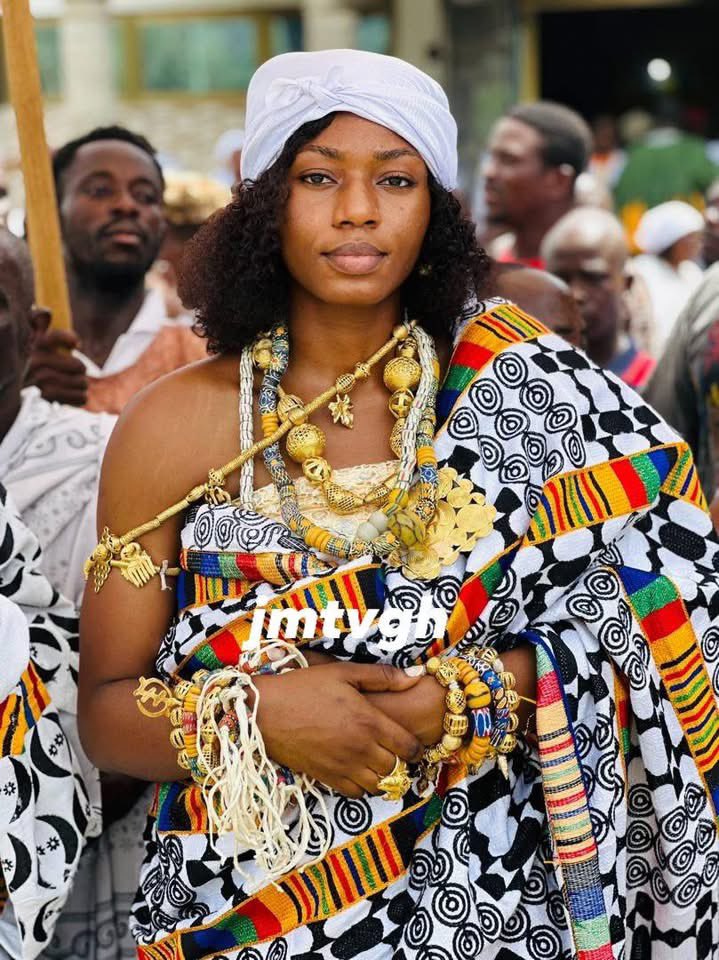
Across Ghana, there has been a gradual shift in how traditional leadership is perceived. Communities are increasingly looking for leaders who can navigate both cultural expectations and modern challenges. Issues such as youth unemployment, education, healthcare access, and local economic development require more than symbolic leadership. They demand coordination, advocacy, and practical solutions.
A queen mother with a background in the armed forces brings a different kind of capacity to the role. There is potential for stronger engagement with state institutions, better organization of community initiatives, and a more structured approach to problem-solving. At the same time, the success of such a transition depends on balance. Traditional authority is rooted in customs, rituals, and community trust. Any modern influence must respect and preserve these foundations.
This development also reflects a broader cultural evolution. Ghanaian society is no longer strictly divided between tradition and modernity. Instead, there is a growing intersection where professionals, academics, and public servants are stepping into traditional roles, bringing with them new perspectives while upholding heritage.
For younger generations, this sends a powerful message. Cultural identity is not something left behind in the pursuit of career or education. It is something that can be integrated, lived, and even lead to positions of influence within one’s community.
Looking ahead, the enstoolment of Mamaga Tsa-Tsugbe I could shape expectations for leadership in other traditional areas. Communities may begin to prioritize individuals who can bridge both worlds effectively. This could lead to stronger local governance structures that are better aligned with national development goals.
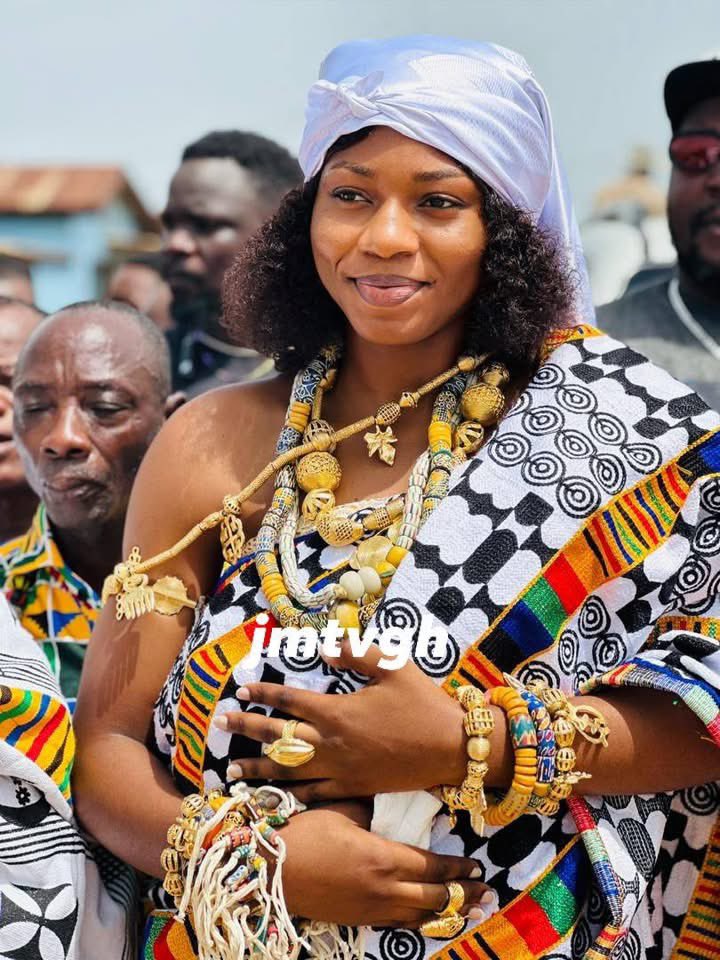
At the same time, it reinforces the enduring relevance of traditional institutions in Ghana. Despite rapid modernization, chieftaincy and queen motherhood remain deeply embedded in the social fabric. They continue to provide identity, continuity, and a sense of belonging.
Also Read: Empowering Africa’s Youth: Building a Brighter Future Without Leaving Home
In the end, this is more than a ceremonial story. It is a reflection of where Ghana is heading as a nation. A place where heritage is not abandoned, but reinterpreted through the lens of modern experience.