

 By Collins Sarkodieh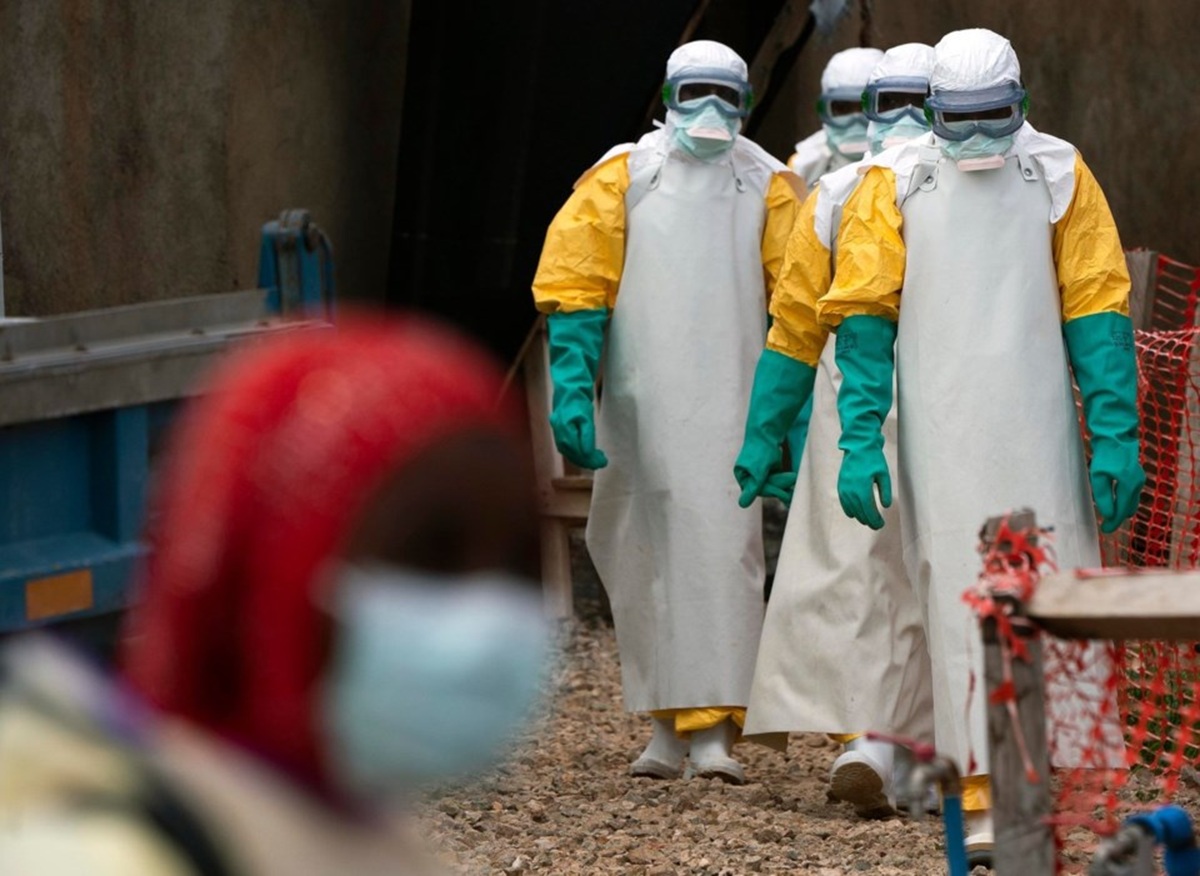
Africa’s top public health body has officially confirmed a new Ebola virus outbreak in the remote Ituri province of the Democratic Republic of Congo. The outbreak has escalated rapidly, with 246 suspected cases and 65 deaths recorded across the affected health zones. Neighbors are on high alert after Uganda reported its first casualty from a cross-border, imported case originating in the Congo.
The Africa Centres for Disease Control and Prevention (Africa CDC) identified the Mongwalu and Rwampara health zones as the primary hotspots for transmission. Preliminary laboratory testing successfully detected the Ebola virus in 13 out of 20 initial patient samples. Interestingly, early genetic sequencing suggests that the current outbreak is driven by a strain other than the notorious Ebola Zaire strain, which has dominated the country’s previous health crises.
Global and regional health organizations are moving swiftly to establish containment perimeters and trace contacts in these hard-to-reach territories. The cross-border fatality in Uganda highlights the intense regional transmission risks associated with high-mobility trade routes. Epidemiologists are focusing heavily on completing full viral sequencing to determine if existing vaccines and treatments will remain effective against this unidentified strain.
Where is the new Ebola outbreak concentrated and how far has it spread?
The new Ebola outbreak is heavily concentrated in the remote Ituri province of the Democratic Republic of Congo, specifically within the Mongwalu and Rwampara health zones. It has already spread across international borders, with Uganda confirming one death from a patient who contracted the virus in Congo before traveling. This rapid geographic expansion has put East and Central African border screening teams on maximum alert.
Health workers in Ituri face severe logistical challenges due to the remote nature of the terrain and existing security complexities in eastern Congo. The 246 suspected cases show that the virus had been circulating quietly within local communities before formal detection occurred. Public health teams are setting up specialized isolation centers in the hotspots to prevent further viral spillover into major urban centers.
The imported case in Uganda underscores the reality that viral pathogens do not respect national borders. Border communities maintain deep economic and familial ties, leading to constant foot traffic between the two nations. Ugandan health officials have rapidly deployed contact tracing teams to the border district to monitor anyone who interacted with the deceased individual.
What makes this specific Ebola virus strain unusual for the region?
This specific Ebola virus strain is unusual because preliminary laboratory sequencing indicates it is not the classic Ebola Zaire strain that has caused most of Congo’s past outbreaks. Out of 20 initial patient samples gathered by field doctors, 13 tested positive for the virus but showed unique genetic markers. Continuous genetic sequencing is currently underway to identify the precise viral classification.
Understanding the specific strain is vital because medical tools like the Ervebo vaccine are specifically engineered to fight the Zaire variant. If the Ituri outbreak involves the Sudan strain, the Bundibugyo strain, or an entirely new mutation, standard treatment protocols will require immediate adjustment. This genetic mystery adds a layer of complexity for organizations trying to deploy targeted therapeutic drugs.
Medical labs across Africa are collaborating with global partners to accelerate the sequencing process. Until the exact strain is unmasked, health workers must rely on strict barrier nursing, rapid isolation, and general supportive clinical care. It is a race against time, as matching the right medical countermeasure to the right strain is the absolute key to lowering the current mortality rate.
How are regional health bodies responding to the cross-border threat?
Regional health bodies are responding by intensifying screening at all border entry points and deploying emergency medical supplies to the Mongwalu and Rwampara health zones. The Africa CDC is coordinating directly with the World Health Organization (WHO) and local ministries to establish a unified incident management system. These teams are prioritizing public health education to help communities recognize early symptoms.
- Contact Tracing: Teams are mapping out every individual who interacted with the 246 suspected cases to halt the transmission chain.
- Border Controls: Temperature checks and health questionnaires have been made mandatory at major crossing points between Congo and Uganda.
- Community Engagement: Local leaders are being trained to handle safe, dignified burials, which historically reduces transmission risks during outbreaks.
Sustaining this response requires immense financial and human resources. Public health agencies are calling for immediate international funding to ensure that field laboratories have a steady supply of testing reagents and protective gear. Preventing a localized outbreak from turning into a massive pan-African health crisis depends entirely on the speed and efficiency of this initial regional response.
Factual Insights into the 2026 Ebola Crisis:
- Suspected Infection Count: Public health registries have officially recorded 246 suspected cases within the Ituri province.
- Current Fatalities: The outbreak has resulted in 65 confirmed and suspected deaths since the initial surge.
- Laboratory Validation: Advanced testing has confirmed the presence of the virus in 13 out of 20 diagnostic samples.
- Regional Spreading: Uganda has registered one imported death, marking the official transition to a multi-country health threat.
- Geographic Focus: The primary hotspots are tightly contained within the Mongwalu and Rwampara health zones.
- Strain Variation: Preliminary data explicitly rules out the dominance of the traditional Ebola Zaire strain in this cycle.
A Critical Test for African Health Security
The confirmation of a new Ebola outbreak in Ituri province is a reminder of the persistent biosecurity threats facing the African continent. By acting quickly to flag the unusual nature of this strain, the Africa CDC has demonstrated the growing strength of Africa’s domestic scientific surveillance.
The ultimate trajectory of this health crisis will depend on how quickly scientists can finish sequencing the virus and how effectively border teams can manage the cross-border threat. With 65 lives already lost, the focus must remain on providing immediate resources to the frontline health workers in Congo and Uganda who are standing between the virus and the rest of the world.
Also Read: DR Congo Celebrates Historic 2026 World Cup Qualification with National Public Holiday