

 By Ghana News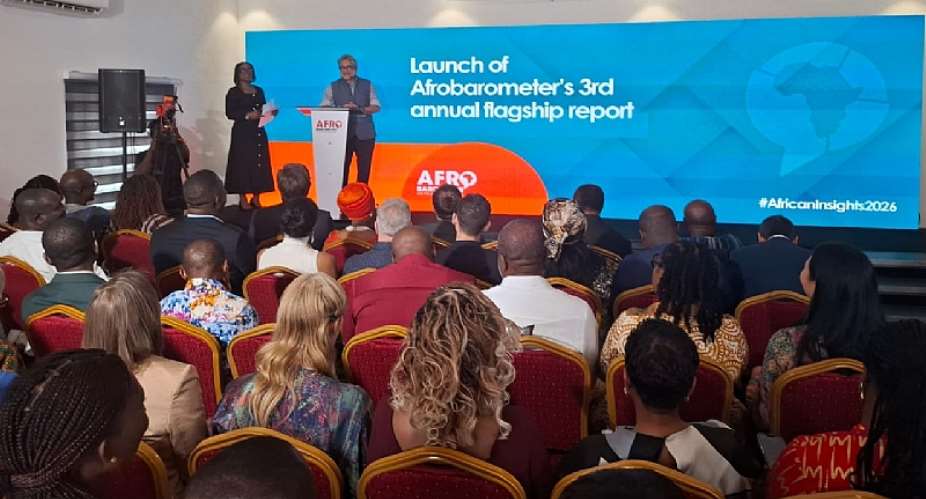
A new study by research network Afrobarometer reveals a massive gap between economic policy and public knowledge across Africa. Despite the African Continental Free Trade Area operating for nearly five years, average awareness stands at just 13 percent across 38 countries.
The findings appear in the third African Insights report launched in Accra under the theme Beyond borders: Citizen perspectives on a shifting global order. The report notes that AfCFTA connects 1.4 billion people across 54 nations with a combined Gross Domestic Product exceeding $3.4 trillion.
Regional figures reveal that West Africa, home to the AfCFTA Secretariat in Ghana, records an average awareness of only 13 percent. Central Africa leads with 17 percent, Southern Africa records 11 percent, East Africa hits 13 percent, and North Africa trails at 5 percent.
Knowledge of the trade treaty remains largely confined to political leaders and educated elites. Citizens with higher education show noticeably greater awareness, leaving everyday traders and farmers completely out of the loop regarding cross-border business opportunities.
United Nations Development Programme Ghana Resident Representative Niloy Banerjee called the low awareness a dangerous disconnect. He urged governments to simplify customs processes, lower tariffs, ease visa rules, and fix currency hurdles so ordinary traders experience real benefits.
Afrobarometer Chief Executive Officer Dr Joseph Asunka emphasized that top-down policy creation without public outreach threatens the treaty’s ultimate success. He encouraged African governments to invest jointly in cross-border infrastructure to help young entrepreneurs expand beyond local markets.
Survey results also highlight a policy paradox regarding movement. While 56 percent of respondents support free movement across borders for work and trade, 40 percent want governments to restrict immigration to shield local job markets.
Without urgent public education and simplified border procedures, experts warn that Africa’s single market project risks remaining an underused tool rather than an engine for continental growth.
Also Read: Why Ghana Said No to Ramaphosa’s Visit and What It Means for Africa