

 By Collins Sarkodieh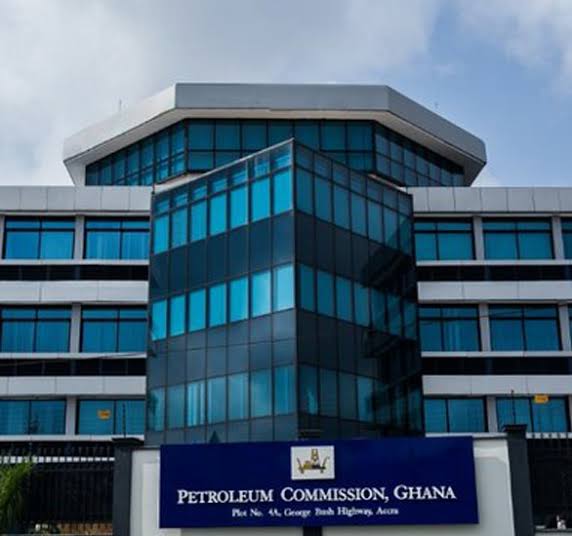
The Petroleum Commission achieved less than three percent of its technical training target under the Accelerated Oil and Gas Capacity Programme between 2019 and 2024. A recent performance audit report from the Auditor General revealed that the Commission trained just 174 Ghanaians out of a planned 6,000 workers.
This massive shortfall in technical training has limited local participation in Ghana’s upstream petroleum sector. Instead of replacing foreign expatriate technicians with skilled local workers, international oil companies continue to import foreign labor for basic technical roles.
The Petroleum Commission originally planned to train 1,000 Ghanaian technicians every year in welding, fabrication, and pipefitting. These international certification programmes aimed to give local workers practical skills through partnerships with institutes in Canada, Singapore, and Takoradi.
However, Commission officials explained that the programme relied heavily on financial promises from international oil companies. A 4.5 million dollar funding pledge made by Aker Energy in 2018 failed to materialize, forcing the Commission to fund the few trainees using internal revenues and a smaller grant from Baker Hughes Ghana.
Despite the severe funding constraints, the few Ghanaians who completed the training program achieved high success rates. Out of 150 technicians trained for direct industry employment, 85 secured permanent jobs with active oil companies, while 65 are currently completing practical internships.
Additionally, 24 local instructors received advanced training to build long term teaching capacity within Ghanaian technical institutions. These results logically prove that the capacity building model works effectively when proper funding flows into the program.
The Auditor General noted that failing to meet training targets leaves Ghanaian workers behind in their own oil industry. Foreign contractors still dominate basic technical positions like pipefitting and welding simply because the country lacks enough certified local technicians.
To fix this problem, the audit report recommends that the Petroleum Commission stops depending on voluntary corporate donations. The Commission must establish diversified funding partnerships with development agencies to ensure consistent training streams for Ghanaian youth.
Also Read: Ghana Earns More Money From Gold Exports But Spends Big on Oil Imports