

 By Collins Sarkodieh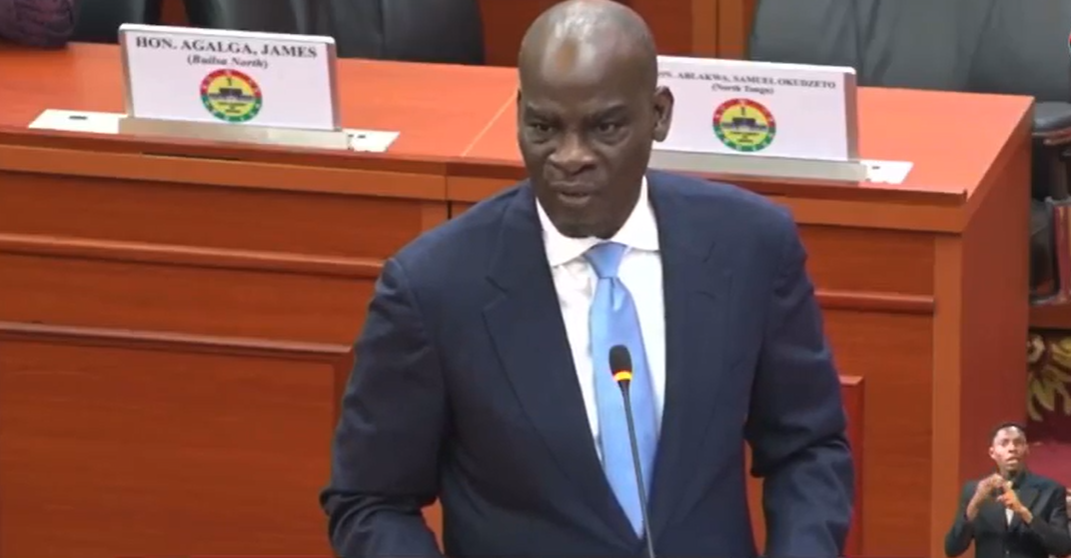
The conversation surrounding teaching in rural areas often comes with a lot of frustration. Young teachers always complain about the terrible roads, lack of electricity, and zero motivation in hard-to-reach villages.
Many feel like the Ghana Education Service is just punishing them when they get posted to underserved regions. Yet, these dedicated professionals are the ones shaping the future of our children in the countryside.
Thursday, July 2, 2026, brought a massive shift in this narrative as the state officially announced an aggressive teacher welfare package. The Ministry of Education is finally introducing real, logical solutions to turn this long-running frustration around.
Education Minister Haruna Iddrisu dropped a major policy update on the floor of Parliament. The government has officially reduced the qualifying period for study leave with pay for rural teachers.
Previously, you had to serve for three long years in a deprived community before you could upgrade your qualifications with full pay. The new policy slashes that waiting period down to just two years of continuous service.
Any teacher who voluntarily accepts postings to these underserved areas can now apply for their paid study leave much faster. This strategy gives young professionals a quick, reliable path to advance their academic careers without getting stuck.
It is quite funny how a single year’s reduction can completely change the attitude of a graduate looking at a village posting. This clear incentive directly answers the desires of workers who want career growth alongside national service.
The study leave update is just one part of a broader package designed to keep teachers highly motivated. The Minister revealed that the government is rolling out a sweet 20 percent rural posting allowance.
The Ministry of Finance and the Ghana Education Service are already collaborating to implement this financial top-up very soon. This extra cash will definitely help offset the high cost of living in remote parts of the country.
Furthermore, the state is tackling the severe accommodation challenges that scare people away from rural schools. The government is introducing the Teacher Dabre Initiative to build quality housing for educators right within these communities.
To ensure this housing plan actually works, all newly awarded contracts for school infrastructure must now include built-in teacher bungalows. This practical approach ensures that our educators can live with absolute dignity while delivering top-quality lessons.
Also Read: Ghana Government Announces Mass Recruitment of 50 Arabic Teachers to Boost Islamic Schools