

 By Ishmeal
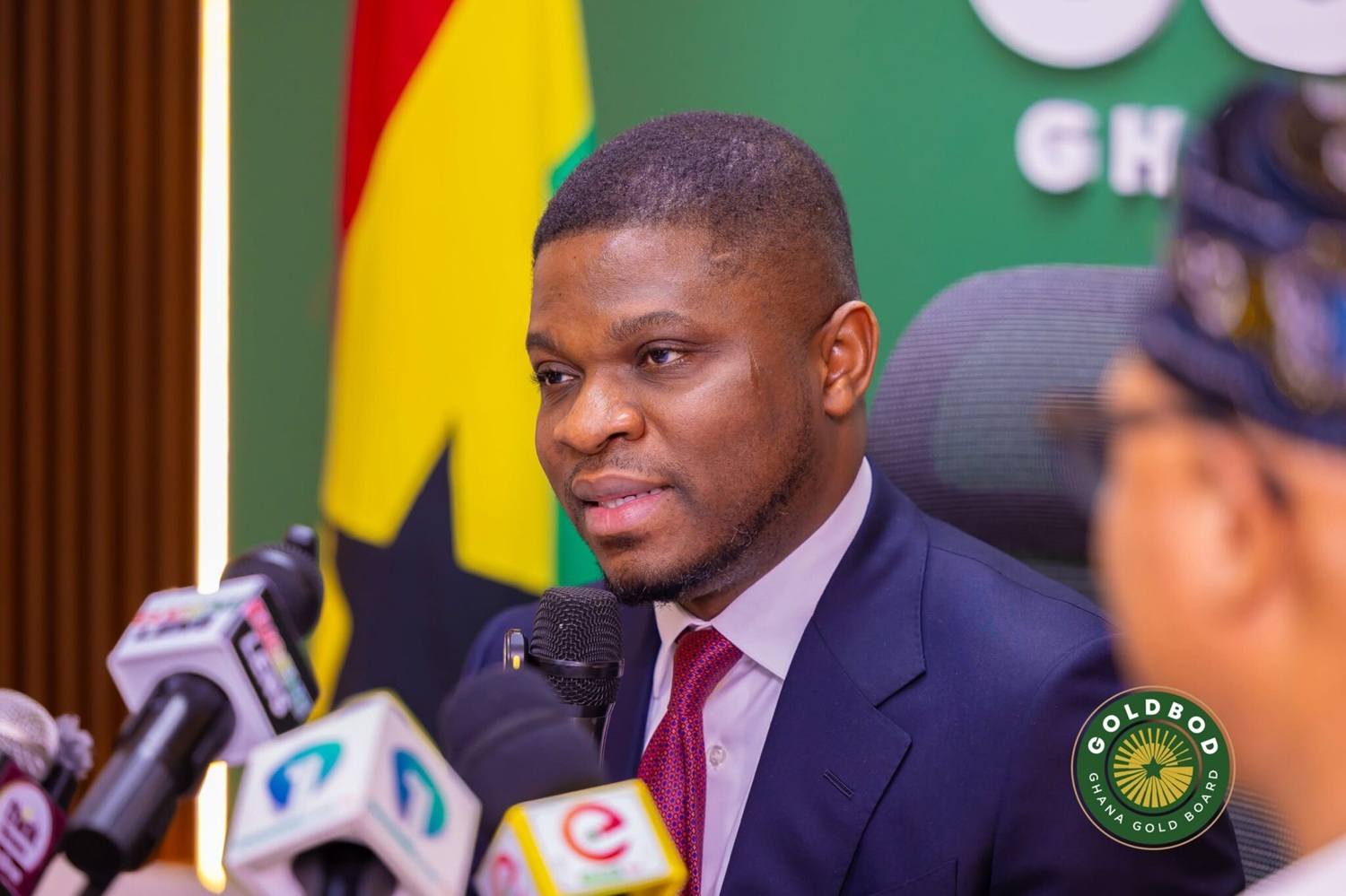
Chief Executive Officer of the Ghana Gold Board (GoldBod), Sammy Gyamfi, has outlined Ghana’s proposed plan to formalise artisanal and small-scale mining, drawing lessons from Colombia, Mongolia, Peru and Tanzania.
In a statement issued on October 31, 2026, Mr Gyamfi said the experiences of the four countries could guide Ghana’s Responsible Cooperative Mining and Skills Development Programme (rCOMSDEP).
The programme, championed by the Ministry of Lands and Natural Resources, seeks to organise eligible informal miners into registered cooperatives, provide them with training and help them obtain the necessary licences to operate legally.
According to Mr Gyamfi, the initiative is intended to improve mining practices, strengthen environmental protection and create sustainable employment opportunities.
Lessons from Four Countries
Mr Gyamfi identified four countries whose approaches to artisanal and small-scale mining formalisation could provide useful lessons for Ghana.
1. Colombia
Colombia introduced Law 2250 in 2022 to establish a framework for the legalisation and formalisation of artisanal and small-scale mining.
Under the law, traditional miners can apply for formalisation through the country’s Comprehensive Mining System. Applicants are also granted certain protections from criminal prosecution for unauthorised mining while undergoing the formalisation process, subject to the applicable legal provisions.
Mr Gyamfi said the Colombian experience demonstrates how a structured legal framework can provide traditional miners with a pathway towards recognised operations.
2. Mongolia
Mongolia revised its artisanal and small-scale mining regulations in 2017 to enable miners to operate legally through registered partnerships and cooperatives.
The country’s approach involved identifying informal miners, locally known as “Ninja miners”, and organising them into recognised groups.
The initiative also focused on improving miners’ organisation, technical knowledge, safety and environmental practices.
Mr Gyamfi noted that the United Nations Environment Programme had commended aspects of Mongolia’s formalisation efforts.
3. Peru
Peru established its Comprehensive Registry for Mining Formalisation, known as REINFO, in 2012 to identify and verify informal artisanal and small-scale miners.
The system was designed to gather information about miners and their operations while providing a pathway towards formalisation.
Mr Gyamfi cited developments in July 2025, when 50,565 miners were removed from the registry for failing to meet requirements, while 31,560 received an exceptional extension to continue their formalisation process until December 31, 2025.
He said Peru’s experience highlights the importance of registration, monitoring and compliance in formalising the sector.
4. Tanzania
Tanzania’s approach involved identifying and registering eligible miners, allocating recognised mining areas and issuing Primary Mining Licences.
The initiative received a major boost in 2016 under former President John Magufuli, who directed the government to create more mining opportunities for informal artisanal and small-scale miners.
According to Mr Gyamfi, more than 5,000 mining groups were formed as part of the process.
Miners also received geological and technical assistance, while the country established model artisanal mining centres and mercury-free processing facilities.
How Ghana Plans to Formalise Small-Scale Mining
Under Ghana’s proposed rCOMSDEP, eligible informal miners will be organised into cooperatives through the Department of Cooperatives.
The registered groups will receive training in sustainable mining practices, mercury-free processing, land reclamation and environmentally responsible operations.
The programme aims to facilitate the formalisation and licensing of eligible cooperatives within six months.
Once licensed, the cooperatives will be directed to suitable mineralised areas approved by relevant institutions, including the Minerals Commission, Environmental Protection Agency and Water Resources Commission, alongside the Ministry of Lands and Natural Resources.
Mr Gyamfi said eligibility would not extend to miners operating in areas already covered by mineral rights or locations where their activities could negatively affect water bodies, forest reserves and communities.
He also disclosed that the programme had received Cabinet approval and was provided for in an amendment bill to the Minerals and Mining Act currently before Parliament.
GoldBod to Provide Financing and Technical Support from 2027
GoldBod is collaborating with the Ministry of Lands and Natural Resources to support the formalisation programme.
Through its Artisanal and Small-Scale Mining Formalisation and Financing Support Programme, GoldBod plans to work with the University of Mines and Technology (UMaT) to provide financial and technical assistance to licensed small-scale miners and cooperative mining groups from 2027.
The proposed support will cover geological investigations, concession viability assessments, equipment financing, land reclamation and mercury-free processing.
The initiative is expected to help eligible miners access the technical knowledge and resources needed to operate within the legal framework.
Calls for Bipartisan Support
Mr Gyamfi called for support from political parties, industry stakeholders, civil society organisations, religious bodies, traditional and opinion leaders, and the wider public.
He said Ghana could learn from the experiences of the four countries while adapting their approaches to the country’s mining conditions.
He also argued that formalising artisanal and small-scale mining could improve mineral recovery, strengthen workplace safety, protect the environment, create jobs and support local businesses.
The programme is expected to complement enforcement operations by the National Anti-Illegal Mining Operations Secretariat (NAIMOS).
However, its success will depend on effective implementation, compliance with mining regulations and the ability of relevant institutions to monitor licensed cooperatives.
Ghana’s challenge will be to create a system that allows eligible small-scale miners to operate legally while preventing illegal mining activities from continuing under the cover of formalisation.
Also Read:Igp Special Operations Team Arrests 192 Suspects
Source:Ghana News Page