

 By Collins Sarkodieh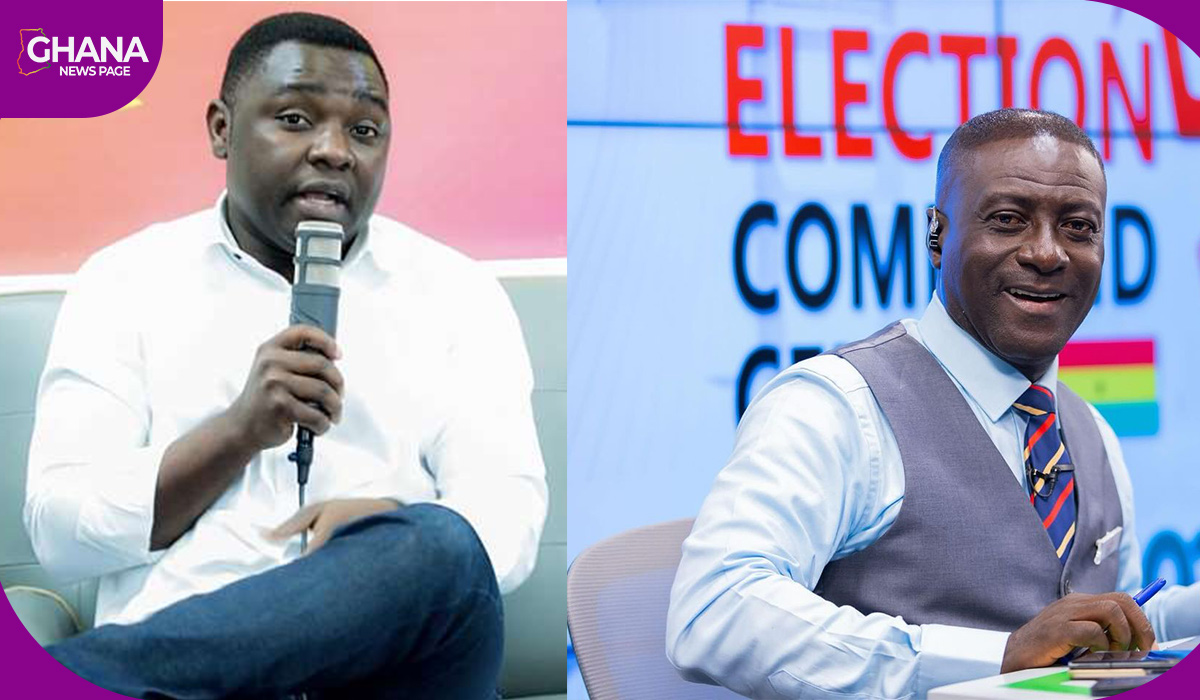
Kevin Taylor has officially disrupted the Ghanaian media space by offering Captain Smart a staggering $50 per hour to join Loud Silence TV. This offer comes at a time when rumors of Captain Smart’s exit from Media General’s Onua TV have reached a fever pitch, signaling a potential shift toward independent, digital-first broadcasting.
This isn’t just a job offer; it is a strategic attempt to decentralize media influence in Ghana. By offering a competitive dollar-rated salary, Taylor is challenging the traditional corporate media structures that have dominated the airwaves for decades. If this move goes through, it could redefine the earning potential for top-tier African journalists transitioning into the digital space.
Is Captain Smart leaving Onua TV and Media General?
While rumors of Captain Smart’s departure from Media General are circulating heavily on social media, there has been no official confirmation from the broadcaster or the network. However, the silence from both parties often precedes a major transition in the high-stakes world of Ghanaian media “transfers.”
Media General, which owns Onua TV and TV3, has historically been a powerhouse for talent, but the rise of independent platforms like Loud Silence TV offers a different kind of freedom. Captain Smart, known for his fearless and often controversial commentary, has faced several legal and regulatory hurdles during his tenure. These pressures often create a “push factor” that makes independent, US-based platforms more attractive to outspoken personalities.
What are the details of Kevin Taylor’s $50 per hour offer?
Kevin Taylor has publicly stated that he is ready to employ Captain Smart at a rate of $50 per hour to host a morning show on Loud Silence TV. Based on a standard 4-hour morning show, five days a week, this would equate to roughly $4,000 a month, a figure that rivals or exceeds many executive salaries in the local Ghanaian media industry.
This offer is a calculated play by Taylor to bring “legacy” star power to his digital platform. By pegging the salary to the US Dollar, Taylor provides a hedge against the inflation and currency fluctuations that often plague local media earnings. It also serves as a marketing stunt to prove the financial viability of Loud Silence TV as a serious competitor to mainstream Ghanaian networks.
How does Loud Silence TV plan to empower independent content creators?
Beyond the offer to Captain Smart, Kevin Taylor announced a new initiative to open Loud Silence TV to fearless bloggers and professional content creators. The goal is to build a network of independent voices who are equipped with high-quality studio setups, clear audio, and professional camera production.
This “open door” policy is designed to create a decentralized media ecosystem that is difficult for traditional regulators to control. By vetting contributors based on their technical standards and professional delivery, Taylor is attempting to move the “blogger” narrative away from amateur gossip toward high-stakes political and social reporting. This move targets the growing demographic of “Gen Z” and “Millennials” who consume 80% of their news via digital streams rather than traditional television.
Why is the $50 per hour offer significant for Ghana’s media landscape?
This offer matters because it introduces “market competition” at a level rarely seen in Ghanaian journalism. If a digital platform can offer higher hourly rates than a major television network, it will inevitably lead to a “brain drain” where the best talent migrates to independent internet-based stations.
Data suggests that mobile internet penetration in Ghana has surpassed 70%, meaning more people are watching YouTube and Facebook Live than traditional terrestrial TV in certain urban demographics. Taylor’s move capitalizes on this shift. If he successfully poaches a “household name” like Captain Smart, he proves that the audience follows the talent, not the frequency. It forces traditional stations to rethink their contract structures and talent retention strategies.
Also Read: Selma Ramatu Al-Hassan Drags Captain Smart to Court Over Rawlings Child Allegation
What are the risks of moving from Onua TV to Loud Silence TV?
The primary risk for any broadcaster moving to a purely digital, independent platform is the “echo chamber” effect and the potential loss of a broader, non-digital audience. While Captain Smart has a massive online following, a significant portion of his influence comes from being heard in taxis, marketplaces, and homes that rely on standard television and radio signals.
Independent platforms like Loud Silence TV also operate outside the traditional Ghanaian legal jurisdiction, which offers freedom but also limits the broadcaster’s ability to engage with local state institutions directly. There is also the question of long-term financial sustainability. While $50 an hour is a bold offer, sustaining that payroll alongside high production costs requires a robust and consistent advertising or subscription model that digital-only platforms are still perfecting in the African market.
What are the future implications for “fearless” journalism in Ghana?
The potential migration of figures like Captain Smart to independent platforms suggests a future where the most critical political voices are hosted outside the country. This creates a “borderless” media environment where the Ghanaian National Media Commission has limited oversight, for better or worse.
If Taylor’s recruitment drive succeeds, we could see the rise of a “Digital Fourth Estate” that is more aggressive and less beholden to local corporate interests. For the average viewer, this means more diverse opinions and “unfiltered” news. For the government and traditional media houses, it means a loss of control over the national narrative. The year 2026 is becoming the “Great Digital Pivot” for Ghanaian media.
Why should followers of “Ghana News” care about this development?
This story is about more than just two media personalities; it is about the value of information and the cost of speaking truth to power. When a commentator like Kevin Taylor offers a specific dollar amount for “fearless” reporting, he is putting a price tag on a specific type of journalism that is in high demand.
Whether Captain Smart accepts the offer or stays at Media General, the conversation has already changed. The “news” is no longer just what happens on the air; it is how the people behind the mic are treated and valued. For those who follow Ghana News, this is a front-row seat to the transformation of how the nation consumes information, debates politics, and holds its leaders accountable in the digital age.
Also Read: Wode Maya Reveals How He Earns Up to $100,000 from Social Media (Video)