

 By Collins Sarkodieh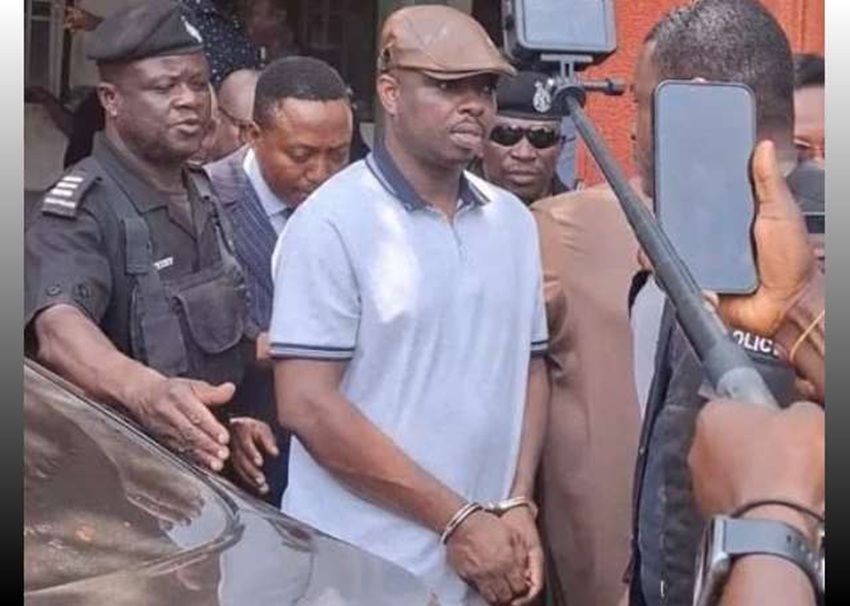
The recent detention of Kwame Baffoe, popularly known as Abronye DC, has sparked a heated political debate between the NPP and the NDC regarding the use of state power. Dr. Mahamudu Bawumia has publicly accused the current NDC government of targeting and intimidating members of the New Patriotic Party through the judicial system. This controversy raises critical questions about whether legal actions against political figures are a matter of genuine misconduct or calculated political strategy.
Politics in Ghana often feels like a high-stakes chess match where the judicial system becomes the board. When a high-profile figure like Abronye DC is detained, the immediate reaction from their camp is usually a cry of “political witch-hunt”. However, critics argue that if an individual disrespects the law or the judicial system, they should face the consequences regardless of their political affiliation.
The current tension is exacerbated by rhetoric suggesting future retaliation. Statements implying that those currently enforcing the law will face intimidation “when we come back to power” raise serious concerns about the long-term stability of the rule of law. Defending alleged misconduct under the guise of political loyalty can undermine public trust in both the government and the opposition.
Is the detention of Abronye DC a case of political targeting?
Dr. Mahamudu Bawumia asserts that the detention of Abronye DC is a clear example of the NDC government intimidating NPP members to suppress opposition voices. From this perspective, the legal system is being weaponized to silence influential party activists ahead of upcoming political cycles. This narrative suggests that the charges are a secondary concern to the primary goal of political suppression.
On the other hand, defenders of the judicial process argue that no one is above the law, and political status should not serve as a “get out of jail free” card. If the detention is based on verifiable misconduct or a lack of respect for judicial procedures, then the legal system is simply performing its duty. The challenge lies in distinguishing between a legitimate legal process and an influenced one.
The debate often ignores the nuances of the specific charges, focusing instead on the optics of the arrest. For many observers, the speed and timing of such detentions often fuel the suspicion that politics is the driving force. However, without clear evidence of procedural violations, the court remains the only venue where the truth of the “misconduct” can be officially determined.
How does the current political climate compare to the previous administration?
Critics of the NPP’s current stance point out that during the NPP era, various individuals were arrested and jailed over comments and criticisms directed at the government. Some citizens report suffering severe consequences, including alleged physical assault and kidnapping, for speaking out against the previous leadership. This historical context suggests that both major parties have faced accusations of using state machinery to stifle dissent.
The irony of the situation is not lost on the public. A party that once oversaw the arrest of its critics now finds itself on the receiving end of similar tactics, leading to a cycle of “tit-for-tat” politics. This environment makes it difficult for any administration to claim a moral high ground regarding free speech and judicial independence.
The memory of past incidents, such as the alleged mistreatment of individuals for discussing the personal lives of state officials, continues to haunt the political discourse. These past grievances often shape how current legal actions are perceived, with many viewing them as a continuation of an old and dangerous pattern in Ghanaian politics.
Does defending political misconduct damage the judicial system?
Defending individuals accused of misconduct solely because they are party members can inadvertently validate illegal behavior and weaken the authority of the courts. When leaders suggest that their members should walk free despite potential legal infractions, it creates a culture of impunity. This approach prioritizes party loyalty over the collective need for a functional and respected legal framework.
Furthermore, using threats of future power to intimidate current officials is a direct assault on the concept of institutional independence. If judges and law enforcement officers fear that a change in government will lead to their own persecution, they may become less objective in their duties. This erosion of objectivity is perhaps the most significant long-term risk to the nation’s democracy.
A healthy democracy requires that all citizens, including the most powerful politicians, are held to the same standards. When political leaders appear to back “nonsense” or misconduct for the sake of party optics, they risk alienating the neutral voter who values order and justice over partisan bickering.
Why is the “when we come back to power” narrative dangerous?
The narrative of “coming back to power” to settle scores is dangerous because it suggests that the executive branch should have control over the fate of its rivals and judicial officers. It promotes a vision of governance where power is used for revenge rather than for the service of the people. This mindset discourages professional neutrality in the civil service and law enforcement agencies.
For the average Ghanaian, this rhetoric serves as a distraction from pressing economic and social issues. Instead of debating policies that improve livelihoods, the national conversation becomes fixated on which political figure might be jailed next. This atmosphere of perpetual conflict makes it harder to achieve the national unity necessary for significant progress.
Ultimately, the strength of a nation is measured by its ability to hold its most vocal citizens accountable without descending into chaos. If the detention of Abronye DC is based on law, it should proceed; if it is based on politics, it should be condemned. However, using the situation to threaten the very fabric of the legal system is a strategy that rarely benefits the common citizen.
The detention of Abronye DC and the subsequent outcry from Dr. Mahamudu Bawumia highlight the fragile balance between political activism and legal accountability in Ghana. While the NPP claims intimidation, others see a necessary enforcement of judicial standards that applies to everyone, regardless of their political connections.
Also Read: Abronye DC arrested by Police Again