

 By Collins Sarkodieh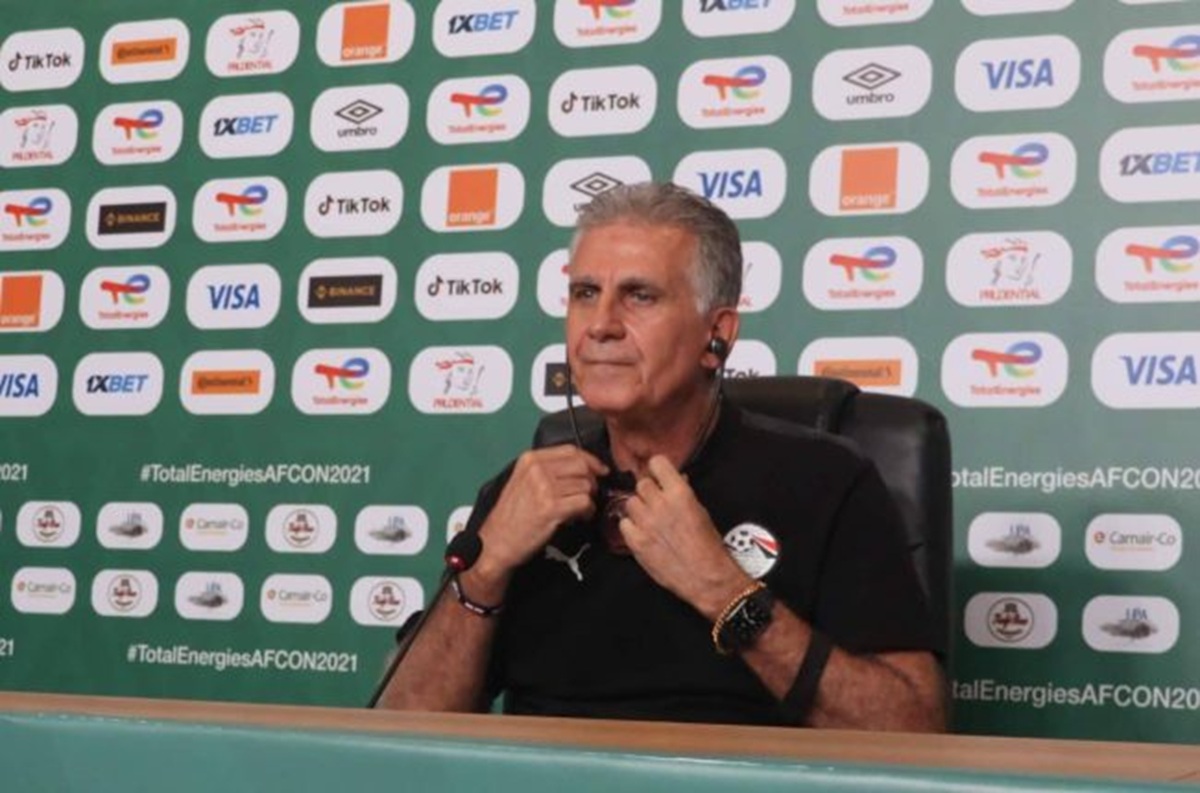
Carlos Queiroz has officially laid out his vision for the future of Ghanaian football during his first major media engagement. The veteran tactician emphasized tactical discipline, a “merit-first” selection policy, and a commitment to integrating local talent into the national team setup to ensure long-term sustainability.
The atmosphere at the Queiroz Ghana press conference 2026 was one of cautious optimism as the former Real Madrid and Portugal manager addressed the media. With the 2026 World Cup on the horizon, Queiroz isn’t just looking at results; he is looking to overhaul the identity of the Black Stars. For a nation that lives and breathes football, his words provided a roadmap for a journey that many hope will lead to historic heights in North America.
What were the key highlights from the Queiroz Ghana press conference 2026?
Carlos Queiroz focused on the need for a “structural revolution” within the team, prioritizing defensive solidity and high-intensity transition play. He made it clear that no player is guaranteed a spot based on reputation alone, stressing that current form and fitness are the only currencies he accepts.
During the session, Queiroz highlighted that Ghana’s talent pool is world-class, but the tactical execution has often lacked the “European rigor” required to win major tournaments. He discussed the importance of a unified playing style across all national levels, from the U-17s to the senior team. By creating a consistent tactical language, he believes the transition for young players into the Black Stars will be seamless and more effective than in previous cycles.
How does Queiroz plan to handle the Ghana World Cup squad 2026 selection?
The coach confirmed that he will utilize a “24-hour monitoring system” to track the performance of both European-based and domestic players. He mentioned that the final roster will be a mix of “lions” (experienced leaders) and “gazelles” (fast, youthful energy) to handle the diverse challenges of Group L.
Queiroz specifically addressed the “dual-national” conversation, stating that while he welcomes players from the diaspora, they must show a “heart-first” commitment to the Ghanaian jersey. This approach is designed to foster a deep sense of national pride within the camp. Statistics from his previous tenures show that Queiroz-led teams often boast some of the best defensive records in international football, a trend he intends to replicate with the Black Stars’ backline.
Also Read: The Road to North America, Predicting Ghana’s Final 26-Man World Cup Squad
Why is defensive discipline the top priority for the new coach?
Queiroz argued that “clean sheets win championships,” pointing out that Ghana has conceded too many avoidable goals in recent AFCON and World Cup campaigns. He plans to implement a compact mid-block system that denies space to opponents while allowing the Black Stars to exploit their natural pace on the counter-attack.
His tactical philosophy is rooted in the idea that a team must be “hard to beat” before it can be “ready to win.” In the press conference, he noted that facing England and Croatia requires a level of positional awareness that isn’t built overnight. The training camps leading up to the summer tournament will focus heavily on defensive shape and collective pressing, ensuring that the team moves as a single, cohesive unit.
Will the Ghana Premier League players get a fair chance under Queiroz?
The new coach pledged to have a dedicated scouting team for the local league, stating that “talent has no home but the pitch.” He expressed interest in several standout performers from the current domestic season and hinted that at least three local players could make the final World Cup flight if they maintain their standards.
This is a significant shift from previous eras where the local league was often overlooked for the final squad. Queiroz understands that local players bring a different level of grit and familiarity with the “Ghanaian spirit” that can be invaluable in a tournament setting. By bridging the gap between the domestic league and the international stage, he aims to boost the morale of local clubs and players alike.
What did Queiroz say about the Mohammed Kudus injury situation?
Queiroz described Mohammed Kudus as a “generational talent” and confirmed that the medical team is in constant contact with Tottenham Hotspur. He expressed confidence that Kudus will be at 100% capacity by the time the tournament kicks off, but he also emphasized the need for a “Plan B” to avoid over-reliance on a single player.
While Kudus is the creative heartbeat of the team, Queiroz wants to build a system where the team’s performance isn’t entirely dependent on one individual’s brilliance. He spoke about “shared responsibility” in the attacking third, encouraging players like Antoine Semenyo and Ibrahim Osman to take more initiative. This tactical diversification is meant to make Ghana less predictable for opposition analysts.
How does the coach view Ghana’s opponents in World Cup Group L?
Queiroz respects Panama, England, and Croatia but stated that Ghana will not play “with fear.” He categorized the group as one of the most technical in the tournament, noting that every match will require a unique tactical “mask” or adaptation.
He specifically noted that the opening game against Panama is a “final” because it sets the emotional tone for the rest of the campaign. Queiroz’s experience in managing teams against high-tier European opposition will be vital when facing England’s star-studded lineup. He believes that Ghana’s physical advantage and speed can cause problems for any defense, provided the tactical discipline is maintained for the full 90 minutes.
What are the long-term future implications of the Queiroz appointment?
The Queiroz appointment signals Ghana’s intent to move away from “short-term fixes” toward a sustainable footballing culture. His contract includes a mandate to mentor local coaches, ensuring that his tactical knowledge remains in the country long after his tenure ends.
This “mentor-protege” model is designed to improve the quality of coaching across the Ghana Premier League. If the Queiroz era is successful, it could provide the blueprint for other African nations to hire elite managers not just for trophies, but for institutional transformation. The goal is to make the Black Stars a consistent top-20 team in the FIFA World Rankings by the end of 2027.
Why should fans trust the “Queiroz Process” for 2026?
Trust in the process comes from Queiroz’s proven track record of taking diverse teams to the world’s biggest stage and making them competitive. He told the media that he isn’t in Ghana for a “safari” but for a “mission,” and he asked for the patience and support of the “30 million coaches” in the country.
Journalism and fan opinion in Ghana are famously intense, but Queiroz seems unphased. His calm, methodical approach at the Queiroz Ghana press conference 2026 suggested a man who knows exactly what he wants. For the average fan, the takeaway is clear: the era of “vibes and inshaAllah” is over, and the era of “rigor and results” has officially begun.