

 By Collins Sarkodieh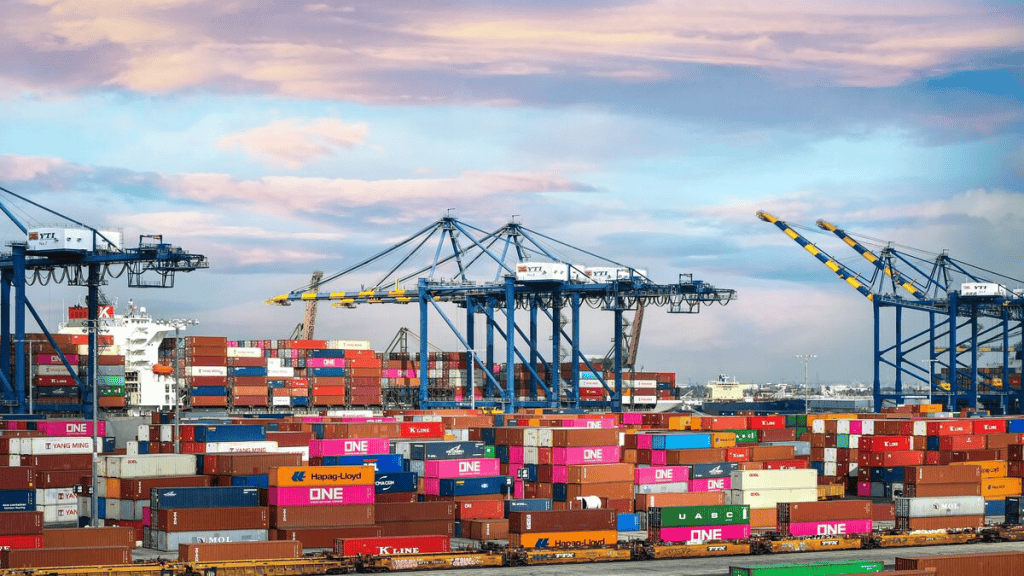
The Importers and Exporters Association of Ghana (IEAG) has officially endorsed the Ghana Shippers’ Authority (GSA) directive to cap Container Administrative Charges (CAC) at GH¢550 per TEU, effective May 1, 2026. This move aims to eliminate “double charging” by international shipping lines and restore Ghana’s trade competitiveness against regional neighbors like Togo and Côte d’Ivoire.
For decades, Ghanaian traders have complained about a lack of transparency in port fees that inflated the cost of goods and contributed to national inflation. The IEAG argues that modern port infrastructure in Tema and Takoradi has made legacy charges like the CAC obsolete, as these costs are already technically included in global ocean freight rates. By backing this regulatory intervention, the association is signaling an end to an era of unchecked maritime logistics costs that have historically drained billions of cedis from the local economy.
Why is the IEAG supporting the Ghana Shippers’ Authority move to cap port charges?
The IEAG supports the cap because it addresses a long-standing grievance regarding “justified” versus “unjustified” local handling charges that have made Ghana one of the most expensive places to do business in West Africa. The association believes that streamlining these fees is a necessary step to protect national economic interests and ensure that Ghanaian traders remain competitive in the global market.
The association has described the GSA intervention as long overdue, noting that excessive port charges have eroded the profit margins of local businesses for years. By setting a definitive ceiling of GH¢550, the GSA is providing much-needed predictability for importers. This regulatory clarity is expected to reduce the “opaque” nature of maritime billing, where hidden fees often surface only after cargo has already arrived at the berth.
What exactly is the Container Administrative Charge (CAC) and why is it controversial?
The Container Administrative Charge (CAC) is a local fee imposed by shipping lines that the IEAG claims amounts to “double charging” because its components are already covered in standard ocean freight rates. Traditionally, freight charges include pilotage, towage, and terminal handling; therefore, adding a separate administrative fee for the same container is seen by traders as an unnecessary revenue stream for foreign shipping agents.
The controversy is deepened by the historical context of the charge. The CAC was introduced in the late 1980s when Ghanaian ports lacked modern equipment and relied on the ships’ own gear to offload cargo. Today, with the massive investments in the MPS Terminal 3 and Takoradi’s new infrastructure, the technical justification for this “administrative” support has vanished. Traders argue they are being charged for a service that modern port technology now handles automatically.
How do Ghana’s port charges compare to neighboring West African countries?
Ghanaian importers currently face a massive competitive disadvantage, paying as high as USD 165 per TEU in administrative charges, which is significantly higher than the rates found in rival regional ports. In comparison, Nigerian traders pay roughly USD 30, while those in Benin pay USD 45, and Togo charges approximately USD 68 per equivalent unit.
These wide disparities mean that goods destined for the West African hinterland—such as Burkina Faso or Mali—are often diverted away from Tema in favor of Lome or Abidjan. The IEAG points out that this price gap not only hurts local importers but also threatens Ghana’s ambition to become the primary trade hub for the sub-region. The new GH¢550 cap is a direct attempt to bridge this gap and bring Ghana’s maritime costs closer to the regional average.
Is the GSA cap on port charges a threat to shipping line workers’ welfare?
The IEAG has dismissed claims that the cap will hurt workers’ welfare, arguing that shipping lines are agents of wealthy foreign principals who are solely responsible for their staff’s remuneration and operational costs. The association maintains that the CAC was never legally intended to serve as a salary fund for local employees, and using “worker welfare” as a defense is a misplaced argument.
Shipping lines operate as intermediaries for global maritime giants. These parent companies set global budgets for their local agencies, and the IEAG insists that operational efficiency, not excessive consumer fees, should dictate staff benefits. The association believes that if shipping lines are struggling with overheads, they should negotiate with their foreign principals rather than burdening the Ghanaian consumer with “unjustifiable” administrative levies.
What is the economic impact of Container Administrative Charges on the Ghanaian market?
In 2024 alone, Ghanaian shippers and traders paid an estimated GH¢1.69 billion (approximately USD 108.32 million) in Container Administrative Charges, a staggering sum that directly contributes to domestic inflationary pressures. When importers pay more at the port, those costs are inevitably passed down to the final consumer at the market, affecting the price of everything from construction materials to basic food items.
By capping these charges, the GSA is effectively providing a “cost-of-living” intervention. Reducing the financial burden on the trade sector allows for lower shelf prices and encourages higher volumes of trade. The IEAG argues that the GH¢1.69 billion previously drained by these charges could have been better utilized for business expansion, job creation, and supporting the government’s industrialization agenda.
How has modern port infrastructure changed the logic of shipping fees in Ghana?
The presence of ship-to-shore gantry cranes, automated terminal operating systems, and rubber-tyred gantry cranes at Tema Port has rendered manual administrative fees obsolete. In the past, clearing a container required significant manual oversight and specialized ship-mounted gear, but today’s “Smart Port” technology has automated the vast majority of these processes.
The IEAG points out that since the ports are now world-class facilities, the “extra work” previously cited by shipping lines to justify the CAC no longer exists. Modern yard facilities allow for faster turnaround times and more efficient tracking, which should technically lower administrative costs rather than increase them. The association insists that shipping lines must align their billing models with the reality of 21st-century logistics.
Why did the IEAG reject the “threats” issued by shipping line workers?
The IEAG has taken a hardline stance against reported threats of strikes or operational slowdowns from shipping line employees, describing such tactics as “intimidation” that will not stop regulatory reform. The association believes that the GSA directive is an act of national sovereignty aimed at protecting the economy from predatory pricing.
Traders argue that the maritime sector is too vital to the national interest to be held hostage by the revenue demands of a few private entities. The IEAG’s statement emphasizes that the “era of unchecked and non-transparent charges” is over. They have called on the government to ensure full compliance and have warned that any attempts to sabotage port operations will be met with firm resistance from the broader business community.
What does the GH¢550 cap mean for the future of Ghana’s maritime logistics?
The cap represents a “fair and balanced” compromise that allows shipping lines to cover legitimate local administrative costs while preventing the exploitation of importers. By pegging the rate at GH¢550 per TEU, the GSA is forcing a more transparent accounting of what actually goes into “administrative” work at the port.
This move is expected to trigger a broader “clean-up” of the maritime logistics space. Other “nuisance” fees may soon come under the microscope as the GSA and IEAG work together to streamline the entire clearing process. For the future, this means a more predictable cost structure for anyone looking to export Ghanaian-made goods or import raw materials, making the nation a much more attractive destination for Foreign Direct Investment (FDI).
Can shipping lines bypass the GSA cap using other hidden fees?
The IEAG has warned stakeholders that it will remain vigilant against “fee shifting,” where shipping lines might try to lower the CAC but increase other obscure charges to maintain their revenue levels. The GSA has been urged to monitor the entire billing cycle to ensure that the spirit of the reform is upheld across the board.
Regulatory compliance is the biggest challenge moving forward. The IEAG is calling for a robust reporting system where importers can flag any shipping agent that attempts to circumvent the GH¢550 cap. If the GSA maintains a firm grip on enforcement, this directive will serve as a blueprint for how African nations can successfully regulate international shipping giants to protect local SMEs and the general public.