

 By Collins Sarkodieh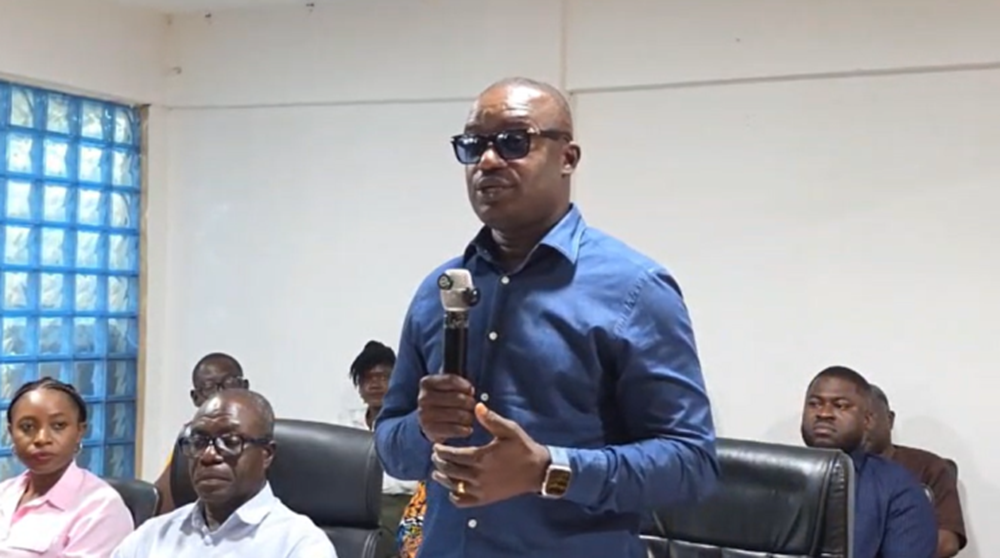
The Tema Oil Refinery (TOR) is officially shifting its strategic focus toward sourcing crude oil from West Africa to stabilize its operations and ensure a long-term recovery. Managing Director Edmond Kombat revealed that this move aims to bypass global shipping disruptions and high freight costs, providing the refinery with a more dependable and cost-effective feedstock supply.
For years, TOR has navigated a turbulent sea of financial and operational setbacks, including periodic shutdowns and aging infrastructure. By prioritizing regional crude, the refinery hopes to reduce its exposure to international geopolitical tensions, such as the ongoing friction between Iran and the United States, which frequently destabilizes global oil prices.
This pivot is more than just a logistical change; it is a fundamental part of a turnaround agenda designed to restore investor confidence. As freight costs climb and global markets become less predictable, looking closer to home in the West African sub-region offers TOR a fighting chance to maintain consistent output and finally achieve profitability.
Why is TOR prioritizing West African crude oil?
Tema Oil Refinery is prioritizing West African crude because it offers a significant reduction in freight and shipping costs while enhancing supply security. Sourcing feedstock from neighboring countries allows TOR to avoid the high expenses and unpredictability associated with long-distance international shipping and global geopolitical instability.
Geopolitical tensions, particularly involving major oil producers and the U.S., often send ripples through the petroleum market, making it expensive for refineries to hedge their risks. Mr. Kombat noted that regional sourcing is a practical step to shield Ghana’s downstream petroleum industry from these external shocks.
Beyond cost, the regional strategy is about reliability. Discussions are currently underway to restructure Ghana’s own crude oil allocation, ensuring that the refinery receives a sustainable supply. When the feedstock is local or regional, the time between order and delivery shrinks, allowing for better operational planning and fewer “dry” days for the refinery.
What are the major challenges currently facing Tema Oil Refinery?
The refinery currently battles a trio of deep-seated issues: aging infrastructure, a heavy debt burden, and inconsistent crude supply. These factors have historically led to periodic shutdowns, which in turn disrupt the local fuel market and drain national resources through emergency imports of refined products.
Aging machinery often leads to higher maintenance costs and lower efficiency rates compared to modern modular refineries. This technological gap, paired with mounting debt, has made it difficult for TOR to compete in a fast-paced global market. Management is now focused on “practical steps” to address these setbacks through a structured recovery plan.
International shipping costs also play a villainous role in TOR’s story. With global freight rates fluctuating due to fuel price volatility and maritime security concerns, importing crude from distant markets has become a financial gamble. Shifting to West African crude is the refinery’s attempt to “de-risk” its balance sheet.
How does global geopolitics affect Ghana’s refinery operations?
Global geopolitical developments, such as the tensions between the United States and Iran, contribute directly to instability in international crude markets, making feedstock prices less predictable for TOR. These high-level conflicts often lead to sanctions or shipping lane disruptions that tighten the supply of specific crude grades, forcing prices upward.
When international markets are volatile, smaller refineries like TOR suffer the most because they lack the massive financial cushions that global oil giants possess. Fluctuations in the price of a barrel can wipe out refining margins overnight, leading to the “operational difficulties” mentioned by the Managing Director.
The focus on West Africa is an act of “energy sovereignty.” By building a supply chain that relies on regional partners, TOR can create a buffer against the whims of global powers. This strategy ensures that Ghana’s energy sector remains resilient even when the rest of the world’s oil markets are in chaos.
Factual Insights into Ghana’s Petroleum Sector:
- Regional Production: Nigeria and Angola remain Africa’s largest oil producers, making the West African sub-region a goldmine for refinery feedstock.
- Infrastructure Age: TOR was established in 1963, meaning some of its core infrastructure components are decades old and require significant modernization.
- Freight Impact: Shipping costs can account for up to 10% or more of the total cost of a crude oil barrel during periods of high maritime demand.
- Downstream Importance: Ghana’s downstream sector relies heavily on refined products like petrol, diesel, and LPG, all of which TOR is designed to produce.
- Sustainable Goals: The Africa Extractives Media Fellowship emphasizes that local processing of raw materials is key to retaining economic value within the continent.
What is the turnaround agenda for TOR’s long-term future?
The turnaround agenda for TOR focuses on restoring operational stability, improving refining efficiency, and rebuilding the refinery’s place as a cornerstone of Ghana’s energy sector. This includes technical upgrades to existing units and a more aggressive approach to securing sustainable feedstock through regional partnerships.
Management acknowledges that the recovery process will be difficult, but they are committed to a “rebranding” of the refinery’s operational culture. By moving away from the “stop-start” cycle of the past and toward a steady, regional supply chain, they hope to attract the investment needed for infrastructure overhauls.
This strategy also aligns with broader African energy goals, which encourage intra-continental trade. If TOR can successfully process West African crude for the local and regional markets, it reduces Ghana’s dependence on refined fuel imports from Europe, saving the country millions in foreign exchange every year.
A Regional Solution for a National Icon
Tema Oil Refinery stands at a pivotal crossroads. The shift toward West African crude oil is a logical and strategic move to reclaim its status as a profitable national asset. While geopolitical tensions and aging pipes are formidable opponents, the MD’s commitment to supply security and regional cooperation offers a clear roadmap out of the shadows.
Rebuilding TOR is not just about fixing machines; it is about securing Ghana’s energy future. By looking to its neighbors for crude, TOR is turning a challenge into an opportunity for regional integration and economic resilience. It might be a long road to full recovery, but at least the refinery is finally looking in the right direction.
Also Read: Ghana to Begin First Ever Large-Scale Onshore Oil Exploration — What It Means for the Country