

 By Ishmeal
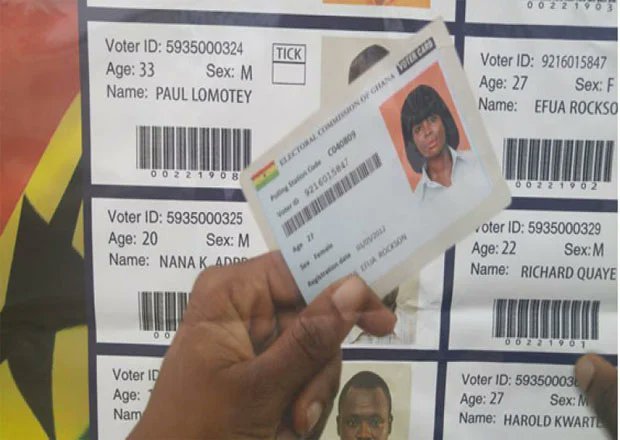
Concerns over vote-buying in Ghana’s elections have resurfaced, with political scientist Dr John Osae-Kwapong warning that the practice is becoming a regular feature of internal party contests and could undermine the country’s democracy.
His concerns come at a time when new findings from Global InfoAnalytics suggest that younger Ghanaian voters are increasingly making electoral choices based on performance and results rather than long-standing loyalty to political parties.
Dr Osae-Kwapong expressed his concerns following reports of vote-buying during the National Democratic Congress (NDC) regional elections.
The issue was also publicly condemned by the Member of Parliament for Adaklu and Minister for Roads and Highways, Kwame Governs Agbodza, during the NDC Volta Regional Delegates Conference.
According to Dr Osae-Kwapong, reports, videos and accounts of candidates attempting to influence delegates continue to emerge whenever internal party elections are held.
He questioned why political parties appear unable or unwilling to take effective action to address the practice, warning that repeated condemnation without concrete measures could allow it to continue.
Young voters increasingly focused on results
Separately, a new opinion poll by Global InfoAnalytics has highlighted the growing influence of younger voters in Ghana’s political landscape.
The findings indicate that approximately 78 per cent of Ghana’s electorate is below the age of 44, making younger voters a significant force in determining electoral outcomes.
According to the organisation’s Executive Director, Musa Dankwah, many young voters have weaker party loyalties and increasingly assess political parties based on what they deliver.
He explained that unemployment, rising rent, transport fares and the general cost of living are among the major issues influencing how younger Ghanaians make voting decisions.
The poll also found that the NDC had a 19-percentage-point advantage in net favourability among Generation Z voters, recording 24 per cent compared with five per cent for the New Patriotic Party (NPP).
However, the findings suggest that young voters’ support is not necessarily permanent and could change depending on the performance of political leaders and parties.
Preference for younger leadership
The Global InfoAnalytics findings also point to a preference for younger presidential leadership.
Approximately 65 to 70 per cent of voters surveyed reportedly favoured a president who is not older than 65.
In a hypothetical comparison between former Finance Minister Dr Cassiel Ato Forson and former Vice-President Dr Mahamudu Bawumia, Ato Forson recorded 54 per cent support, compared with 40 per cent for Dr Bawumia.
The results highlight the importance of leadership age, performance and public expectations in shaping voter preferences.
Implications for Ghana’s democracy
The two developments raise important questions about political accountability and the changing expectations of Ghanaian voters.
While concerns about vote-buying highlight the challenges facing internal party elections, the Global InfoAnalytics findings suggest that younger voters increasingly expect political parties to demonstrate measurable results.
For political parties, the message is that winning the confidence of voters may require more than traditional party loyalty. Issues such as employment, housing, transport and the cost of living remain central to the choices many young Ghanaians make.
Also Read:Man United Confirm Pochettino As Head-Coach Until 2029