

 By Ghana News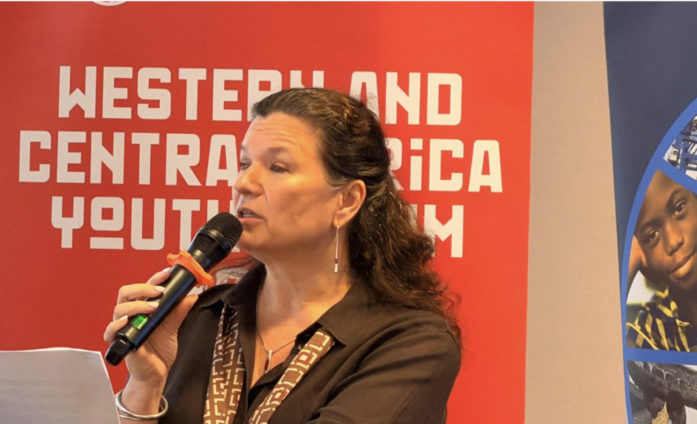
The global financial institution managing international development loans has advised national policymakers to aggressively address the local employment crisis.
The World Bank has urged state managers to prioritize youth jobs as a central pillar of national economic recovery and inclusive growth. Speaking at a high-level economic forum under the theme Youth Works Africa Thrives, World Bank representative Ms. Keane warned that Africa’s massive, rapidly growing youth population could easily turn into a severe economic burden if countries fail to align institutional investments with the true ambitions of the next generation.
The urgent call for economic transformation highlights the immense potential hiding within the country’s local commercial networks.
Logic dictates that you cannot expect young university graduates to create successful businesses when they cannot even borrow a single cedi from local banks to purchase raw materials. Ms. Keane noted that while Ghana possesses a very strong entrepreneurial culture, an expanding digital ecosystem, and a resilient small and medium-sized enterprise sector, many local startups are heavily struggling to grow.
Detailed World Bank analyses show that local small businesses face major structural bottlenecks, including a lack of access to affordable finance, weak market linkages, massive skills gaps, and very limited access to proper business mentorship. To fix these issues, the World Bank is currently supporting state institutions through targeted interventions in human capital development and digital connectivity.
The institution highlighted an active three-million-dollar project designed to end the double-track system in Senior High Schools and drastically improve technical skills development for students transitioning into higher education or full-time employment.
Hoping to build a prosperous, stable nation while leaving thousands of brilliant young graduates to sit at home without any sustainable income is an absolute logical failure. While macro-economists always talk about high growth rates and financial targets, true progress relies on putting real money into the pockets of the youth through stable jobs.
Reversing this challenge requires an immediate alignment between state policy, private investment, and practical entrepreneurship. By utilizing multilateral resources to fix the secondary school system and expanding credit lines for small businesses, national managers can use straightforward logic to turn our youth into a powerful engine for real national wealth.
Also Read: Business Leaders and Government Join Forces to Provide Jobs for Ghanaian Returnees