

 By Collins Sarkodieh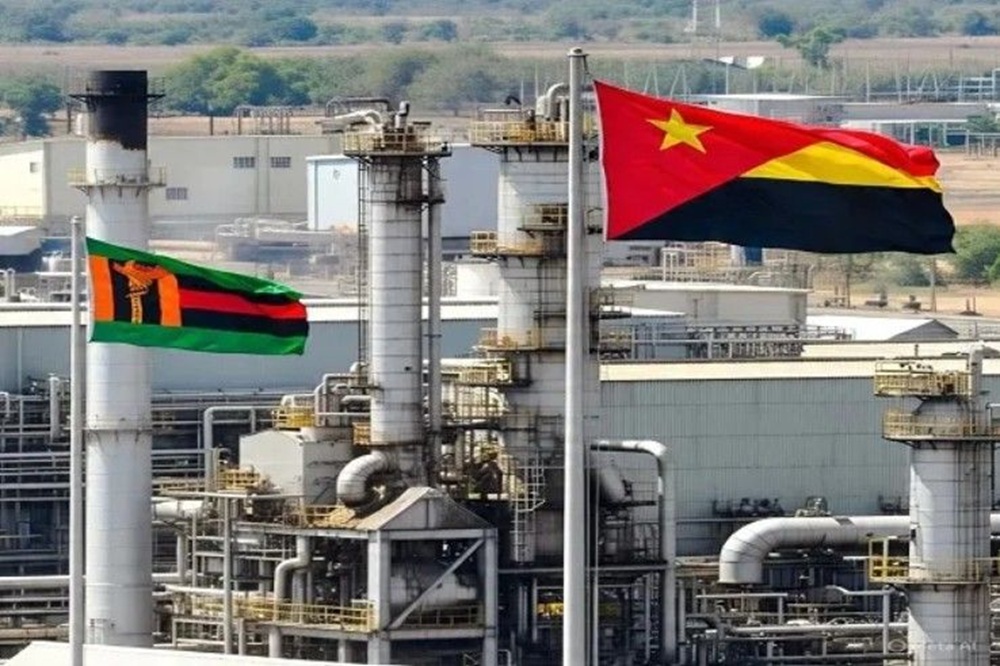
Zambia’s Stake in the Benguela Refinery: A Strategic Leap for African Energy Independence
Zambia has officially acquired a 26% equity stake in Angola’s Benguela oil refinery, a move designed to secure a stable petroleum supply and lower fuel costs for the landlocked nation. This strategic partnership reduces Zambia’s dependence on expensive, long-distance imports and positions the country as a primary beneficiary of Angola’s vast crude oil reserves.
The acquisition is more than just a financial transaction; it represents a fundamental shift in regional energy dynamics within the Southern African Development Community (SADC). By investing directly in the source of production, Zambia is insulating its economy from the extreme volatility of global oil markets and the high logistics costs associated with importing refined products from overseas.
This collaboration serves as a powerful example of intra-African investment, proving that African nations can leverage each other’s strengths to solve local challenges. For Angola, the partnership provides a guaranteed regional market for its refined products, while for Zambia, it offers the “energy sovereignty” necessary to drive industrial growth and stabilize the national currency.
Why is Zambia investing in Angola’s Benguela Refinery?
Zambia is investing in the Benguela Refinery to eliminate the logistical bottlenecks of importing fuel from distant international markets and to leverage its proximity to Angola. This 26% stake ensures that Zambia has a seat at the table in decision-making processes, guaranteeing a consistent flow of refined petroleum products to its domestic market.
For decades, Zambia has relied on a mix of imported refined fuel and a single, aging pipeline that connects to the port of Dar es Salaam in Tanzania. By shifting focus toward the Benguela Refinery, which is located significantly closer to its western border, Zambia can drastically reduce transportation lead times and the associated “middleman” costs that currently inflate pump prices.
Furthermore, this investment aligns with Zambia’s broader economic recovery plan. Access to cheaper, more reliable fuel is a critical requirement for the mining sector the backbone of the Zambian economy. When the cost of energy drops, the cost of extracting copper and other essential minerals also decreases, making Zambian exports more competitive on the global stage.
How does the Benguela Refinery impact the Lobito Corridor?
The Benguela Refinery acts as the industrial heart of the Lobito Corridor, providing the refined energy needed to power the rail and port infrastructure that connects the Atlantic Ocean to the African interior. Zambia’s stake in the refinery ensures that the corridor is not just a transit route for minerals but a functional energy artery for the entire region.
The Lobito Corridor is a massive infrastructure project involving Angola, the Democratic Republic of Congo (DRC), and Zambia. It focuses on the Lobito port and the Benguela railway line. The refinery, situated at the head of this corridor, will process Angolan crude into petrol, diesel, and aviation fuel, which can then be efficiently transported inland to Zambia via the newly refurbished rail networks.
This synergy between energy production and transport logistics creates a “closed-loop” economy. Instead of sending raw Angolan crude to Europe or Asia only to buy it back as expensive petrol, the region can now process and consume its own resources. This efficiency is expected to attract further manufacturing investments along the corridor, as businesses seek to set up near reliable energy and transport links.
Can intra-African collaboration replace global oil dependency?
Intra-African collaboration like the Zambia-Angola deal can significantly reduce dependency on global oil giants by keeping the entire value chain within the continent. By processing crude oil in Benguela and selling it to Zambia, both nations retain the added value, jobs, and tax revenues that usually escape to international refiners in the Middle East or Europe.
Historically, many African nations have exported “cheap” raw materials and imported “expensive” finished goods. This energy partnership flips that script. Zambia’s 26% stake means that a portion of the profits from the refinery’s operations will flow back into the Zambian treasury, creating a secondary stream of income while simultaneously lowering domestic fuel expenses.
While Africa still participates in the global market, deals like this build a “buffer zone.” When geopolitical tensions in other parts of the world cause oil prices to spike, regional agreements can offer more stable, negotiated pricing structures. This creates a predictable economic environment that is essential for long-term national planning and foreign direct investment.
What are the factual insights into the Zambia-Angola energy deal?
- Equity Stake: Zambia’s 26% acquisition is one of the largest cross-border energy investments by a landlocked African nation in a neighboring country’s infrastructure.
- Production Capacity: The Benguela Refinery (often linked to the Lobito Refinery project) is designed to process up to 200,000 barrels of crude oil per day once fully operational.
- Regional Integration: This deal is a core component of the SADC Regional Infrastructure Development Master Plan, which promotes energy self-sufficiency.
- Logistics Advantage: Refined fuel from Angola can reach Zambian borders in a fraction of the time it takes for shipments from the Middle East to reach Tanzanian or South African ports.
- Crude Reserves: Angola is consistently one of Africa’s top two oil producers, alongside Nigeria, ensuring a steady supply of raw feedstock for the refinery.
- Job Creation: The construction and operation of the refinery and associated pipelines are expected to create over 10,000 direct and indirect jobs across the two nations.
- Currency Stability: By paying for fuel through regional agreements, Zambia can reduce the pressure on its US Dollar reserves, potentially stabilizing the Kwacha.
Will this partnership lower fuel prices for Zambian consumers?
The partnership is expected to lower fuel prices by reducing the “freight and premium” costs associated with importing petroleum from non-African sources. By cutting out the need for long-distance maritime shipping and multiple port handling fees, the cost of delivering a liter of petrol to a station in Lusaka or the Copperbelt will naturally decrease.
However, consumers should understand that global oil prices still set the baseline. While the Zambia-Angola deal reduces the extra costs of transport and middleman markups, the price of crude oil itself is still influenced by global demand. What this deal provides is a “discount” on the logistics and a guarantee that the fuel will actually be available during global shortages.
Moreover, the deal includes plans for a multi-product pipeline connecting the refinery directly to Zambia. Pipelines are the most cost-effective way to transport liquids over long distances. Once this infrastructure is complete, the “transportation tax” currently baked into Zambian fuel prices will drop significantly, providing long-term relief to motorists and transport companies alike.
What does this move mean for the future of African economic self-reliance?
Zambia’s stake in the Benguela Refinery is a blueprint for the “Africa We Want,” as outlined in the African Union’s Agenda 2063, which prioritizes economic integration and resource control. It signals to the world that African nations are no longer content being passive consumers but are becoming active owners of the continent’s industrial infrastructure.
This move encourages other landlocked nations, such as Rwanda, Uganda, and Ethiopia, to consider similar equity-based investments in their neighbors’ ports and refineries. When countries have a “stake” in each other’s success, the likelihood of conflict decreases, and the motivation for regional peace and security increases. It is a form of “economic diplomacy” that builds lasting bonds.
The success of the Zambia-Angola partnership will likely trigger a wave of similar “bilateral industrialization” projects. As the African Continental Free Trade Area (AfCFTA) gains momentum, these physical investments in refineries, rails, and pipelines will be the actual “tracks” upon which free trade travels. Zambia hasn’t just bought a share in a refinery; it has invested in a future where Africa powers itself.
A New Chapter in the African Energy Narrative
The acquisition of a 26% stake in the Benguela Refinery by Zambia is a landmark moment that proves geography is not destiny. By looking west to Angola, Zambia has found a solution to a problem that has plagued its economy for generations. This partnership is a masterclass in strategic thinking, regional empathy, and economic bravery.
As the refinery nears full operational status, the eyes of the continent will be on the Lobito Corridor. The success of this venture will be measured not just in barrels of oil, but in the growth of Zambian industries, the stability of regional energy prices, and the strength of the bond between two neighbors. Africa’s energy dawn has arrived, and it is being fueled by collaboration.
Also Read: After Several years of Inactivity, TOR is Back in Service
If Zambia can secure its energy future by investing in Angola, which other landlocked African nations will be the next to buy into their neighbors’ success?