

 By Emmanuel Bamfo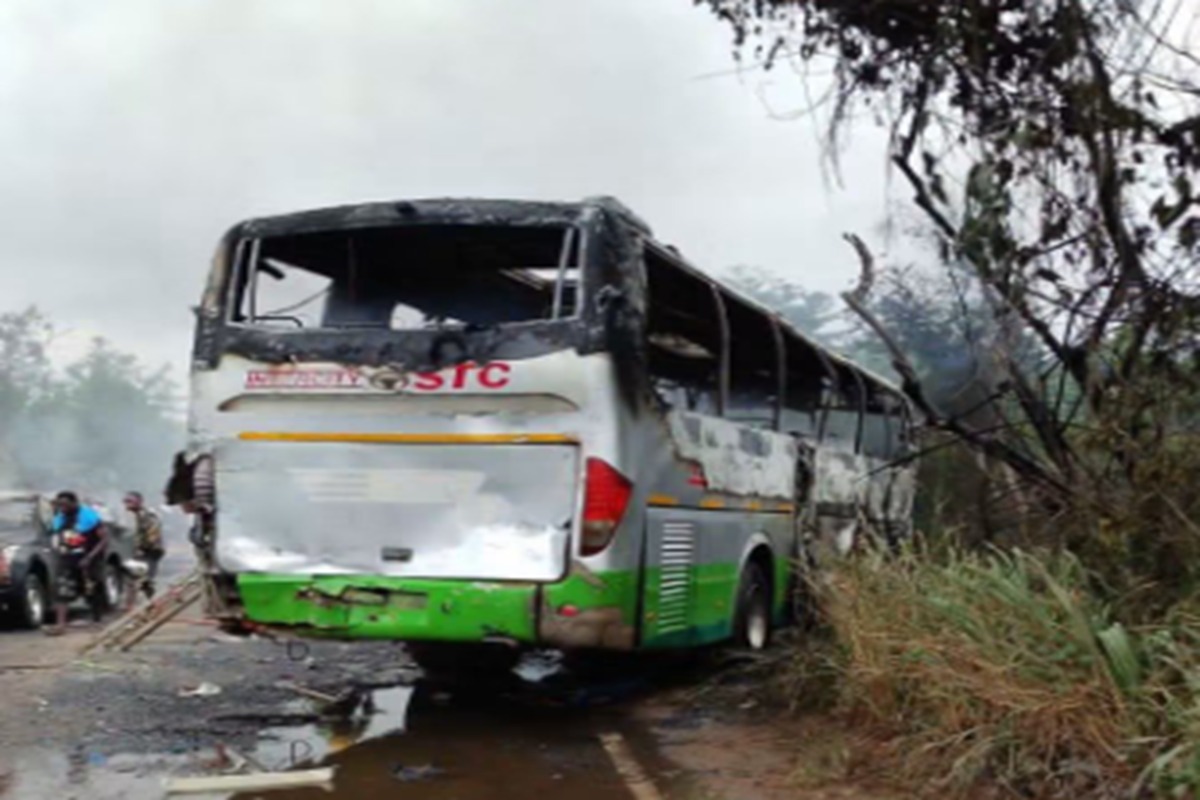
A severe multi-vehicle crash at Birimso Bridge on the N6 Accra–Kumasi Highway has completely shut down traffic flow in both directions. The collision involved a high-occupancy passenger bus, a heavily loaded articulated truck, and a sedan car.
The impact completely spanned the narrow bridge deck, physically trapping vehicles on both the Eastern Region and Ashanti Region approaches. Because Birimso Bridge sits on a vital 245-kilometer economic artery linking the capital to Kumasi, even a brief stoppage quickly piles up hundreds of long-distance vehicles.
Officers from the Eastern South Regional Motor Traffic and Transport Department (MTTD) of the Ghana Police Service arrived swiftly on site to secure the area, assist emergency responders, and manage heavy congestion. According to National Road Safety Authority (NRSA) figures, heavy freight vehicles and long-distance passenger buses account for over 30% of major highway incidents in Ghana. Mechanical failures, brake failures on downhill approaches, and tight overtaking maneuvers remain recurring hazards on this stretch.
Clearing a loaded articulated truck demands heavy-duty towing rigs, which means the main road will stay closed until recovery crews clear the debris. Commuters traveling between Greater Accra and Ashanti Regions must follow police directives immediately to prevent getting stranded in rural corridors.
How Are Motorists Being Diverted Between Accra and Kumasi?
The Ghana Police Service has activated mandatory temporary bypass routes at Nsutam and Apedwa to maintain regional transport flow. Drivers travelling toward Accra must detour through Kibi at Nsutam, while drivers heading toward Kumasi are being redirected through Apedwa.
These emergency rerouting directives ensure that commercial freight, intercity VIP coaches, and private commuters continue moving while heavy recovery gear operates at Birimso. Highway police officers are stationed at major junction split-points to prevent drivers from forcing their way into the blocked crash perimeter.
What is the Official Diversion Route for Accra-Bound Drivers?
Accra-bound motorists must exit the N6 Highway at Nsutam and travel through the Kibi town bypass before reconnecting to the highway. This route guides vehicles along local paved roads winding around the Atewa Range before bringing them back onto the primary road toward Suhum and Greater Accra.
While Kibi offers smooth paved surfaces, drivers should anticipate narrower lane widths, sharp turns, and pedestrian traffic within township areas. Trotro drivers and commercial bus operators must keep their speed under 40 km/h in these local zones to guarantee public safety. Adding this bypass typically adds about 20 to 30 minutes to standard transit times, but it completely avoids the stationary gridlock near Birimso Bridge.
What is the Recommended Alternative Route for Kumasi-Bound Traffic?
Kumasi-bound drivers must exit the main highway at the Apedwa junction and navigate through designated regional detour roads before rejoining the N6. MTTD officers are positioned at Apedwa to guide vehicles onto this secondary bypass.
The Apedwa route features rural single-lane roads that carry lighter traffic under normal conditions but quickly fill up during highway emergencies. Heavy articulated trucks must exercise extra care on tight bends, as shoulders along these local feeder roads can be soft during rainy periods. Following police signals at each detour junction prevents unnecessary bottlenecks and keeps vehicles moving steadily toward Anyinam and Kumasi.
Why Is the N6 Highway So Vulnerable to Massive Gridlocks?
The N6 Highway carries massive daily traffic volumes while relying largely on single-carriageway sections with limited dualization. When a major crash occurs at a single-lane bridge like Birimso, physical space disappears instantly, causing immediate gridlock for miles.
Research from the Ministry of Roads and Highways indicates that the 245-kilometer N6 corridor is Ghana’s busiest freight and passenger transit line. It handles thousands of heavy cargo trucks, intercity luxury buses, and private cars daily. Because key sections lack wide emergency shoulders or structural median dividers, a single disabled vehicle can halt traffic across multiple administrative districts.
The table below breaks down key highway indicators that explain why traffic disruptions on the N6 require immediate structural detours.
| Highway Indicator | Official Data / Metric | Impact on Emergency Flow |
| Total Route Length | 245 Kilometers (Accra to Kumasi) | Long distance increases cumulative travel risk |
| Annual Crash Frequency | ~10,365 nationwide average (NRSA) | High probability of corridor disruptions |
| Key Risk Corridor | Birimso Bridge / Atewa Sector | Narrow bridges create bottleneck choke points |
| Primary Diversion Points | Nsutam (via Kibi) & Apedwa | Redirects traffic around crashed vehicles |
Understanding these highway dynamics helps drivers appreciate why patience and cooperation with MTTD officers remain essential during major incidents.
What Live Road Conditions Should Drivers Expect Around Kibi and Apedwa?
Motorists using the Kibi and Apedwa diversions will encounter slower travel speeds, increased vehicle density, and occasional slow-moving freight trucks. These rural bypass roads were designed for local traffic, so absorbing thousands of highway vehicles creates natural slowdowns.
In Kibi town, expect steady bumper-to-bumper traffic near central market centers and residential intersections. Local authorities urge long-distance drivers to watch for pedestrians, schoolchildren, and local delivery tricycles. The roads through this area feature winding turns alongside elevation shifts, so keeping a safe braking distance from the vehicle ahead is non-negotiable.
Along the Apedwa diversion, heavy truck traffic creates slower pace intervals, especially on uphill slopes. Chale, this is not the time to attempt risky overtaking on narrow lanes! Dust levels on minor road shoulders can reduce visibility, so drivers should keep low-beam headlights on even during daylight hours.
How Can Travel Times Be Reduced During Emergency N6 Diversions?
Drivers can minimize delays by maintaining steady speeds, avoiding reckless overtaking, and using digital mapping apps for live updates. Staying in your designated lane prevents secondary accidents that completely lock up narrow detour roads.
First, ensure your vehicle has enough fuel before entering the N6 highway corridor. Emergency diversions through Kibi or Apedwa can add 15 to 30 kilometers to your journey, and fuel stations along rural bypass routes may experience long queues during traffic spikes.
Second, listen to local radio broadcasts like Citi FM, Joy FM, and Peace FM, or check official social media channels of the Ghana Police Service. Real-time updates help drivers decide whether to stop at major transit hubs like Suhum or Ejisu until the main highway reopens fully.
Third, private motorists traveling between Greater Accra and the Ashanti Region can consider taking alternative regional routes entirely if they haven’t yet reached Apedwa or Nsutam. Routes through Mamfe, Koforidua, and Bunso offer alternative paths for light vehicles seeking to bypass the primary N6 bottleneck completely.
What Critical Safety Practices Protect Drivers on Ghana Highway By-Passes?
Navigating rural bypass routes safely requires reduced speeds, heightened attention to road signs, and defensive driving behind large commercial vehicles. Adhering to road safety rules protects your vehicle and ensures emergency crews can reach crash sites without delay.
Data from the National Road Safety Authority (NRSA) reveals that human error—specifically wrongful overtaking and excessive speeding—causes over 80% of road traffic crashes in Ghana. When traffic gets heavy on narrow detour roads, driver frustration rises, leading some to attempt dangerous passes. Resist that temptation abeg, because a second crash on a narrow bypass road will leave everyone trapped for hours.
Here are essential defensive driving habits to follow when navigating the Birimso emergency diversions:
- Maintain a 4-second trailing distance behind heavy trucks and articulated vehicles to give yourself clear reaction time if they stop suddenly on incline stretches.
- Dim high beams at night when approaching oncoming traffic on single-lane detour roads through Kibi and Apedwa.
- Watch for unlit vehicles or agricultural machinery that may be parked along rural road shoulders in farming communities.
- Keep windows slightly lowered if your air conditioning is off to remain fully aware of emergency sirens from police escort vehicles or ambulances.
- Yield right-of-way to emergency recovery rigs carrying heavy towing equipment toward Birimso Bridge.
By practicing patience and logical driving choices, commuters help protect themselves and keep detour traffic moving predictably.
How Are Emergency Services Clearing the Birimso Bridge Multi-Vehicle Crash?
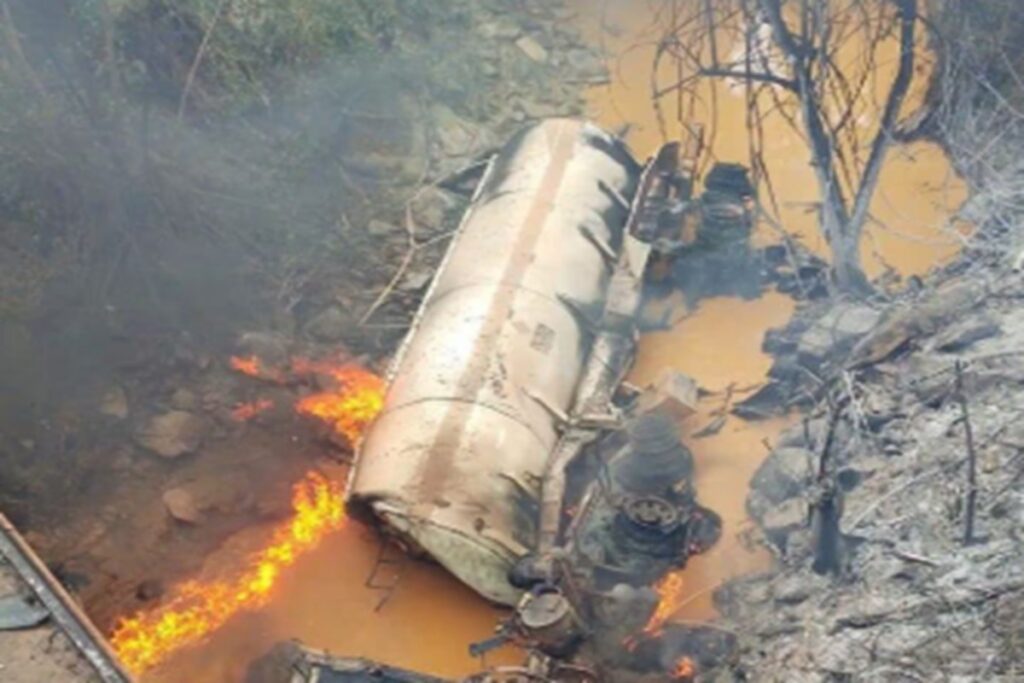
Police MTTD units, Ghana National Fire Service teams, and heavy towing contractors are actively coordinating on site at Birimso Bridge to clear damaged vehicles. The operation requires disentangling the bus, articulated truck, and sedan before towing them to safe holding yards.
Because the articulated truck was carrying heavy cargo, recovery teams must unload part of its weight or use specialized hydraulic cranes to stabilize the chassis before winching. Once all three vehicles are cleared from the bridge deck, engineers from the Ghana Highway Authority must inspect the Birimso Bridge structure to confirm there is no structural damage to concrete abutments or steel guardrails.
Only after safety engineers certify the bridge deck will police lift the blockages at Nsutam and Apedwa. The Police Service has assured the public that updates will be issued regularly as recovery work progresses.
What Frequently Asked Questions Arise During N6 Highway Traffic Diversions?
Is Birimso Bridge completely closed to all vehicle types right now?
Yes, Birimso Bridge is fully closed to all motorized traffic in both directions following the multi-vehicle crash. No cars, buses, or trucks can pass until recovery crews complete work and safety engineers inspect the bridge.
Where exactly do Accra-bound drivers turn off the N6 highway?
Accra-bound drivers are diverted at Nsutam to travel through Kibi before rejoining the main Accra road. Police officers are stationed at the Nsutam junction to guide all light and heavy vehicles onto the detour.
How long will the N6 highway diversion last?
The duration depends on how long recovery teams take to unload and tow the heavy articulated truck, bus, and sedan. Motorists should prepare for extra travel time through Kibi and Apedwa for several hours while clearance operations continue.
Are heavy long-distance freight trucks permitted on the Kibi and Apedwa diversions?
Yes, MTTD officers are directing all vehicle classes onto the designated bypass roads to prevent complete gridlock on the N6. Truck drivers must travel at reduced speeds and obey local load guidelines along rural roads.
Who should drivers contact in case of a roadside breakdown on the detour?
Motorists needing emergency road assistance can contact the Ghana Police Service emergency helpline at 18555 or 112. You can also flag down MTTD officers stationed along the Kibi and Apedwa diversion points for immediate help.
Also Read: tragic dompoase accident two dead eight hurt