

 By Ishmeal
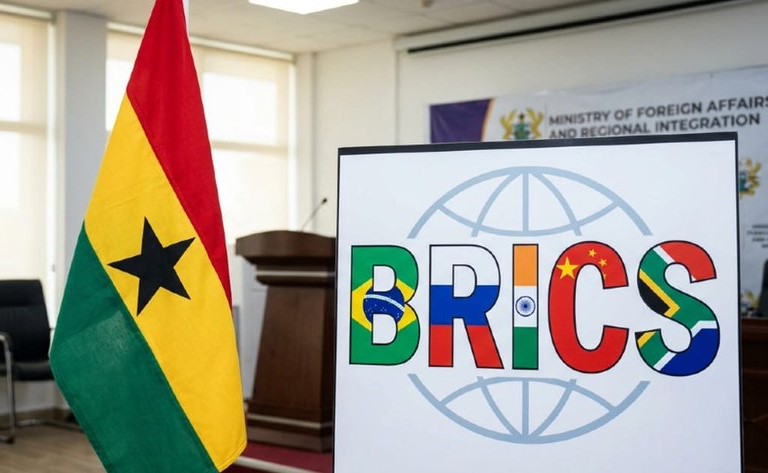
Ghana’s engagement with the BRICS bloc will not automatically solve the country’s economic challenges, as corruption and irregularities in public financial management remain major concerns.
The warning highlights the need for Ghana to strengthen accountability, improve financial oversight and address weaknesses in public institutions if it hopes to benefit from international economic partnerships.
BRICS, originally comprising Brazil, Russia, India, China and South Africa, has expanded to include other member countries and seeks to strengthen cooperation among emerging economies. The bloc provides opportunities for trade, investment and collaboration in areas such as infrastructure, energy, technology and development financing.
However, Ghana’s ability to benefit from such opportunities will depend not only on its international relationships but also on how effectively it manages its domestic economy.
BRICS Membership Alone Cannot Solve Ghana’s Challenges
Partnerships with BRICS countries could create opportunities for Ghana to attract investment, expand exports and access technical expertise. Cooperation in sectors such as agriculture, manufacturing, energy and transport could also support economic development.
However, these potential benefits are not automatic. They depend on the quality of agreements negotiated, the country’s economic policies and the ability of institutions to implement projects transparently.
Corruption and weak financial controls can undermine development efforts by increasing project costs, diverting public resources and reducing confidence among investors.
If public funds are not properly managed, even well-designed development programmes may fail to deliver their intended benefits to citizens.
Corruption and Public Financial Irregularities
Irregularities in public finances can arise from weaknesses in procurement, poor record-keeping, inadequate supervision or failure to comply with established financial rules.
When such problems are not addressed, they can affect government spending priorities and weaken public confidence in state institutions.
Effective oversight by audit institutions, Parliament and relevant regulatory bodies is therefore important in ensuring that public resources are used for their intended purposes.
Greater transparency in public procurement, timely publication of financial reports and consistent enforcement of accountability measures could also help reduce opportunities for misuse of funds.
Ghana Must Strengthen Its Institutions
For Ghana to benefit meaningfully from international partnerships, experts and policymakers often emphasise the importance of sound economic management, predictable regulations and strong institutions.
The country would need to ensure that investment agreements are negotiated in the national interest, projects are properly assessed and public funds are managed responsibly.
Clear rules and effective monitoring can also help ensure that projects supported by international partners create jobs, improve infrastructure and contribute to long-term economic growth.
Ghana’s domestic business environment is equally important. Supporting local businesses, improving access to finance and reducing unnecessary administrative barriers could help more companies participate in trade and investment opportunities.
Turning International Partnerships Into Results
BRICS offers a potential platform for Ghana to deepen economic cooperation with participating countries. However, the extent of the benefits will depend on the specific arrangements Ghana pursues and how effectively those arrangements are implemented.
Addressing corruption, improving public financial management and strengthening accountability would help protect public resources and increase the chances that development partnerships deliver lasting benefits.
Ultimately, international cooperation can provide opportunities, but it cannot replace effective governance at home. Ghana’s ability to turn partnerships into tangible results will depend on its institutions, policies and commitment to responsible financial management.
Also Read:Kwesi Kwarteng Declines Npp Deputy Communications Director Role