

 By Emmanuel Bamfo
Chinese security doors are very popular in Ghana because they look grand, cost less than Turkish or hardwood alternatives, and feature multi-point locking systems. However, many local homeowners face unexpected lock breakdowns, rusted hinges from high coastal humidity, and thin gauge metal that yields under pressure.
When you drive through expanding residential communities in Accra, Kumasi, or Takoradi, you will notice shiny copper-tone and wood-grain steel doors at almost every entrance. They give homes a modern face without breaking the bank. But beneath that glossy exterior lies a serious decision for every builder or homeowner.
Are these imported doors a smart financial strategy, or will you end up spending twice as much on constant repairs? Let us explore the reality behind Chinese security doors in Ghana.
Why Are Chinese Security Doors So Popular Across Ghana?
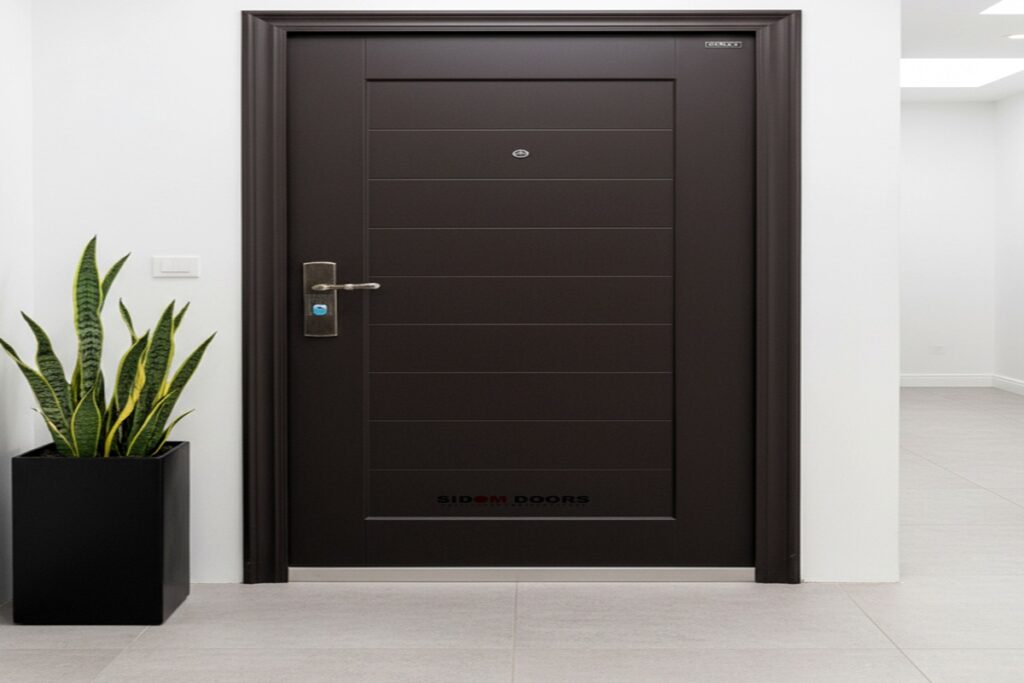
Chinese doors dominate the Ghanaian building market because they offer unbeatable entry pricing combined with attractive designs. You can buy a standard single Chinese steel door for between GH₵ 1,950 and GH₵ 3,500, whereas mid-range reinforced steel doors cost between GH₵ 3,500 and GH₵ 5,800. In contrast, heavy solid local hardwoods run from GH₵ 4,500 to GH₵ 8,000, and premium Turkish security doors often cost between GH₵ 9,000 and GH₵ 13,000 or more.
Building a house in Ghana today comes with massive financial pressure. Between the rising costs of cement, gravel, and labor, developers naturally look for areas to cut expenses without sacrificing aesthetic appeal.
Chinese manufacturers excel at crafting exterior doors that feature rich wood finishes, detailed embossing, and shiny chrome handles. For a landlord finishing an apartment block in Kasoa or a first-time homeowner in East Legon Hills, buying five or six doors at a lower initial cost seems like an obvious win.
According to trade data from the Observatory of Economic Complexity (OEC), China remains Ghana’s largest trading partner for manufactured building materials, supplying over 60% of imported architectural metalwork and fixtures.
The accessibility of these products on local platforms like Jiji Ghana and across hardware hubs in Opera Square, Accra, makes procurement easy for builders.
Are Chinese Security Doors Strong Enough To Stop Intruders?
High-grade Chinese security doors feature multi-point locking systems that secure the frame at four or five distinct locations simultaneously. However, cheaper low-grade models use thinner steel sheets (0.5mm to 0.8mm) filled with honeycomb paper insulation, which offers minimal resistance against aggressive physical force.
Security is not just about how heavy a key feels in your hand. It boils down to structural integrity, steel gauge thickness, and lock cylinder quality.
A quality security door should ideally feature at least 1.2mm to 1.5mm thick cold-rolled steel for the door leaf and 1.8mm to 2.0mm steel for the outer frame.
Many budget Chinese doors imported into Ghana use 0.6mm sheet steel. While the surface looks solid, a heavy crowbar or hammer attack can buckle the metal around the latch area relatively quickly.
Key structural indicators to verify before buying include checking for a minimum 1.2mm door panel thickness, Class B or Class C brass lock cylinders, at least 6 heavy-duty frame expansion bolts, and dense core infill such as rockwool or polyurethane foam instead of paper.
The multi-bolt locking system is another area where buyers get misled. While seeing five steel rods shoot into the top, side, and bottom frame looks reassuring, those rods are driven by a central gear mechanism.
If that central gear is made from cheap alloy rather than solid brass or hardened stainless steel, the entire lock can jam or snap, locking you either inside or outside your own house.
How Does Ghana’s Climate Impact Chinese Steel Doors?
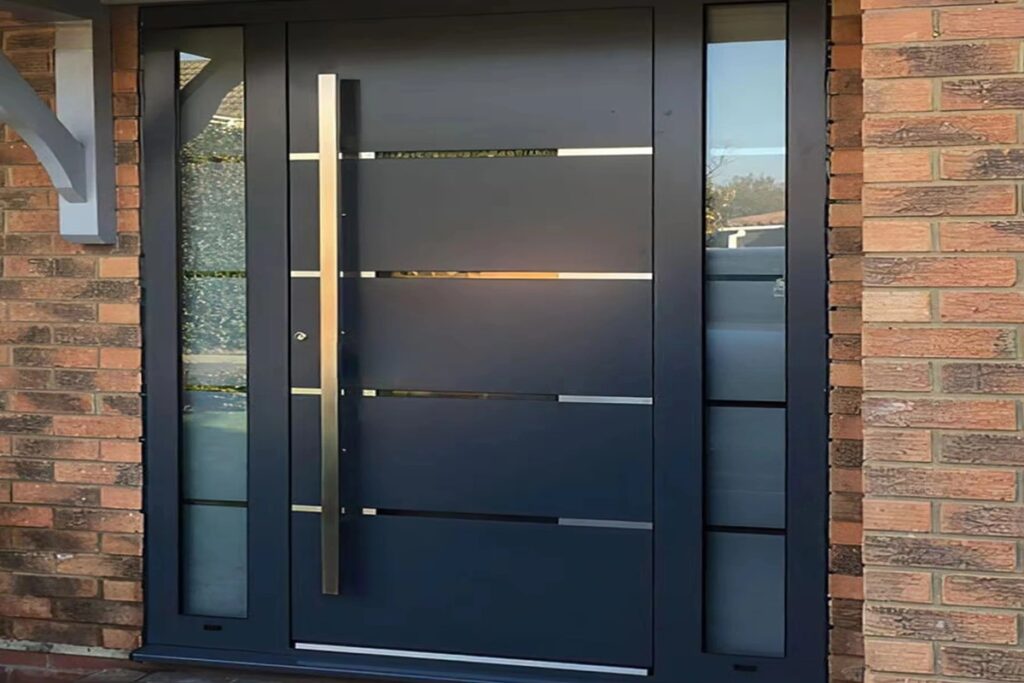
Ghana’s coastal humidity, particularly in areas like Dansoman, Tema, and Cape Coast, accelerates rust on low-quality painted steel doors within 12 to 24 months. Unless the door uses hot-dip galvanized steel and electro-statically applied outdoor powder coatings, salty sea air will quickly ruin the finish.
Humidity and rain test building materials severely. Ghana experiences average relative humidity levels between 75% and 95% in southern regions according to the Ghana Meteorological Agency (GMet).
When budget steel doors lack proper zinc anti-rust undercoats, moisture creeps beneath the decorative exterior foil or paint film. You will first notice tiny bubbles forming around the bottom edge of the door and near the hinges.
Within a year, those small spots turn into flaking paint and red rust stains that weaken the structural metal underneath.
High temperatures also affect cheap locking mechanisms. During intense hot spells, poor-quality internal lock grease dries up or hardens, causing the key to stick or turn roughly inside the keyhole.
What Are The Real Costs Of Owning A Low-End Chinese Door?
Buying a low-cost Chinese door often leads to hidden long-term expenses, including lock cylinder replacements, hinge adjustments, and early door replacement. A GH₵ 2,000 budget door can easily accumulate GH₵ 1,500 in maintenance costs within three years, making it an expensive option overall.
Let us break down the real financial picture using straightforward logic.
Suppose you purchase a cheap entry-level door for GH₵ 2,000 and pay GH₵ 300 for basic installation. Within eight months, the heavy door sags on its hinges, causing the lock pins to misalign with the frame holes, requiring a GH₵ 250 service visit.
By month fifteen, the master lock cylinder jams completely, costing roughly GH₵ 450 to GH₵ 700 to replace the multi-point gear box and labor. Add GH₵ 400 for rust touch-ups over time, and your budget door now has a total 3-year outlay of roughly GH₵ 3,650.
In comparison, buying a higher-grade door for GH₵ 5,500 with GH₵ 500 professional installation results in a GH₵ 6,000 total outlay over 3 years without unexpected lock repairs or rust treatments.
While the budget door still appears cheaper on paper initially, you must deal with constant stress, broken keys, and security vulnerabilities. The quality door delivers peace of mind without mid-year surprises.
How Can You Spot A Quality Chinese Security Door Before Buying?
To identify a well-built Chinese security door, check for solid steel weight, brass lock cylinders, heavy-duty adjustable hinges, and verified manufacturer certifications such as ISO9001 or CE markings. High-grade models feel solid when knocked on and feature thick rubber seals along the inner frame.
Not all Chinese doors are low quality. China manufactures some of the finest high-end architectural security systems globally, but Ghanaian importers order different quality tiers based on target price points.
To buy a durable door, you need to inspect key features closely in the showroom rather than relying only on photos.
First, perform the knock test. Tap firmly on the center of the door leaf.
If it makes a hollow, ringing tin can sound, it is filled with cheap honeycomb cardboard. If it produces a muted, solid thump, it contains high-density mineral wool or polyurethane foam, which provides soundproofing, fire resistance, and structural strength.
Second, inspect the key and lock mechanism. Avoid simple flat keys with basic notches. Look for computer-engraved atom locks or crescent-shaped keys with dimple patterns, which offer high resistance against picking.
Important checklist items when shopping include conducting the tap test for dense insulation, verifying that a single door weighs at least 50kg, checking for thick rubber weather stripping around the frame, ensuring keys rotate smoothly without resistance, and selecting hinges made of stainless steel with a minimum 3mm thickness.
Finally, inspect the frame build. A strong frame should include built-in anti-pry lips that cover the gap between the door and frame, preventing intruders from slipping a pry bar against the lock bolts.
What Are The Best Alternatives To Standard Chinese Doors In Ghana?
Popular alternatives to entry-level Chinese doors in Ghana include Turkish security doors, local kiln-dried hardwood doors, and WPC (Wood-Plastic Composite) doors. Turkish doors offer thick steel frames and heavy finishings, while local hardwoods like Odum, Mahogany, and Wawa provide long-lasting natural durability.
If you decide Chinese steel doors are not right for your property, you have reliable alternatives available locally.
Turkish doors have earned a strong reputation in Ghana for durability and security. They typically feature 1.5mm to 2.0mm thick steel cores wrapped in attractive wood veneers, heavy-duty locks, and robust frames built for security. They cost significantly more, but they offer high security, high rust resistance, excellent termite protection, and a lifespan exceeding 15 years.
Local Ghanaian timber doors remain an excellent choice for internal and semi-exposed external entrances. When made from properly dried Odum or Mahogany by experienced local carpenters, wood doors resist termite attacks when chemically treated, provide high physical security, and last over 20 years in humid environments.
WPC (Wood-Plastic Composite) doors are also gaining popularity for interior rooms, washrooms, and kitchens. Because WPC combines recycled wood fibers and plastic polymers, these doors are 100% waterproof and termite-proof, making them ideal for humid Ghanaian bathrooms.
How Should You Install And Maintain Your Security Door Correctly?
Always hire an experienced installer who uses high-strength anchor bolts and concrete frame filling rather than relying on basic foam sealant. To maintain your door, lubricate lock mechanisms with graphite powder every six months, avoid harsh chemical cleaners on powder coatings, and re-tighten hinge screws regularly.
Even the strongest security door will fail if installed poorly. A major issue in Ghana is installers hanging heavy doors on weak hollow-block walls without reinforcing the opening.
Insist that your installer fills the steel door frame with a lean cement-and-sand mortar mixture during fitting. This step prevents intruders from warping the frame with a jack and eliminates hollow spaces where moisture and insects can gather.
For routine maintenance, avoid spraying liquid oil like WD-40 directly into complex key cylinders. Liquid lubricants attract dust and grit, creating a sticky paste inside that clogs small internal springs over time.
Instead, puff dry graphite powder into the keyway to keep lock pins moving smoothly.
Wipe down external surfaces with a soft damp cloth and mild soap every few weeks, particularly if you live within ten kilometers of the ocean. This simple habit removes salt deposits before they pit the paint film.
So, Fancy Look Or Costly Trap?
Chinese security doors are neither an outright trap nor a flawless solution—their value depends entirely on the specific quality grade you buy and how well it is installed.
If you buy a cheap GH₵ 1,950 door for an exposed main entrance along the coast, it will likely turn into a costly maintenance headache within two years.
However, if you select a certified high-grade model with thick steel, fill the frame with concrete, and perform basic lock maintenance, a Chinese security door offers a practical balance of security, style, and value for your home.
Also Read: chinese vehicles in ghana the good bad ugly