

 By Emmanuel Bamfo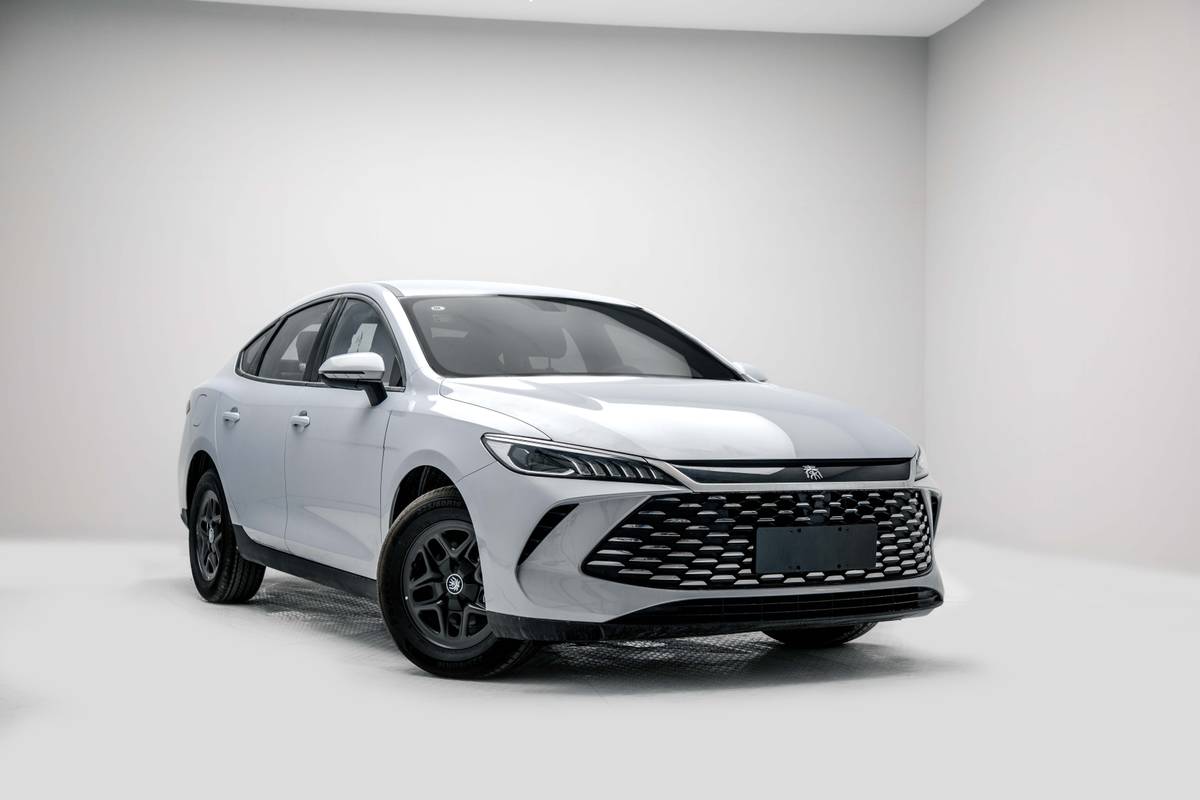
Are you thinking about buying a sleek new SUV or sedan from China to escape rising car prices in Accra?
You are definitely not alone, because thousands of Ghanaian drivers are ditching traditional Japanese and European brands for ultra-modern Chinese vehicles.
Chinese automakers like BYD, Changan, Great Wall Motors (GWM), Haval, and Jetour are taking over local showrooms across Ghana.
These cars offer stunning designs, futuristic digital screens, and affordable price tags that feel like a dream come true for buyers.
Before you hand over your hard-earned cash, you need to look beyond the shiny paint and modern dashboard technology.
Driving Chinese vehicles in Ghana comes with major advantages, surprising downsides, and a few harsh truths every car buyer must know before signing documents.
Why Are Chinese Cars Taking Over Ghanaian Roads Fast?
Chinese automakers are winning hearts in Ghana by making luxury features affordable for middle-class drivers.
You can now buy a brand-new Chinese SUV loaded with panoramic sunroofs and 360-degree cameras for the price of an eight-year-old imported luxury car.
Data shows China exported millions of vehicles globally in recent years, making it one of the top auto exporters worldwide.
Africa has become a key focus area for giant brands like BYD, Chery, and Geely, with local dealerships opening rapidly across Spintex Road and Graphic Road.
For Ghanaian car lovers, these vehicles break the cycle of buying overpriced, high-mileage imported second-hand cars with hidden mechanical issues.
You get zero mileage, factory smell, and up to a five-year warranty straight out of the showroom.
What Are the Real Advantages of Driving Chinese Vehicles?
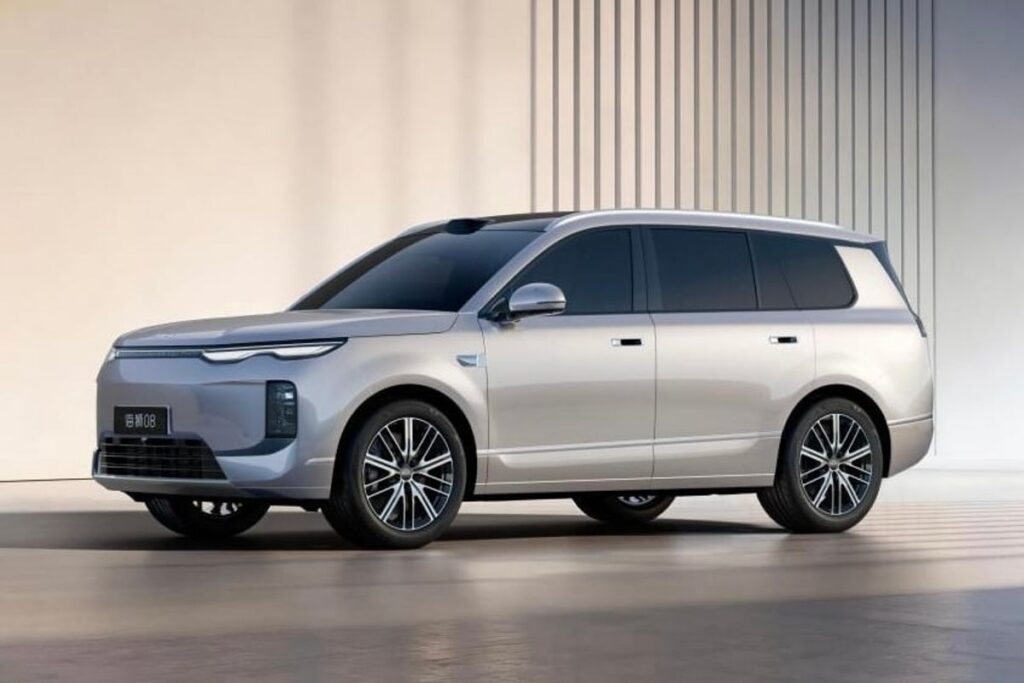
Driving a modern Chinese car in Ghana gives you cutting-edge technology, fantastic fuel efficiency, and impressive comfort at a fraction of standard luxury prices.
You get high-end features like lane-keeping assist, adaptive cruise control, and massive digital displays that match premium European brands.
The immediate financial savings are the biggest attraction for local drivers.
Instead of spending $45,000 on a basic entry-level Japanese SUV, a buyer in Accra can secure a feature-packed Chinese crossover for under $28,000.
Chinese manufacturers have also made huge strides in electric vehicles (EVs) and hybrid power systems.
With rising fuel prices in Ghana, brands like BYD offer plug-in hybrids and full electric models that lower daily commuting costs significantly for city drivers.
The build quality of modern Chinese cars has improved drastically compared to models produced a decade ago.
What Are the Frustrating Disadvantages You Will Face?
The biggest daily challenge of owning a Chinese car in Ghana is spare parts availability and slow maintenance support.
While engine components for common Japanese cars are sold in every neighborhood like Abossey Okai, Chinese car parts remain restricted to main dealerships.
If your vehicle suffers an unexpected mechanical failure or body damage, you might wait weeks or months for parts to ship from abroad.
Local roadside mechanics in Ghana are still catching up with the complex electronic architectures used in modern Chinese vehicles.
Diagnostic tools for these brands are not widely available at independent garages across Accra or Kumasi.
This situation forces you to rely entirely on official dealership workshops, which charge higher labor fees for routine servicing and repairs.
Ghana’s tough road conditions also test the long-term durability of soft suspension components fitted on some Chinese models.
Deep potholes and unpaved roads can wear out suspension bushings and shock absorbers faster than expected.
What Is the Ugly Truth About Resale Value and Electronics?
The ugliest reality of buying a Chinese car in Ghana is rapid financial depreciation in the local used car market.
Most Ghanaian car buyers remain cautious about second-hand Chinese cars, causing resale values to drop sharply within the first three years.
A traditional Toyota or Honda retains a high percentage of its original purchase value after three years of use in Ghana.
A Chinese vehicle can lose up to 45% to 50% of its initial market value over that same period because buyer demand in the used market remains low.
Software glitches and touchscreen failures can also turn your high-tech cabin into an annoying headache.
Extreme tropical heat in West Africa sometimes affects sensitive digital touchscreens, causes sensor errors, or freezes infotainment software.
When the main screen crashes in a car where climate control is digital, simple tasks like adjusting your air conditioning become impossible.
Insurance premiums for newer Chinese brands can also be surprisingly high due to uncertain repair costs and long parts delivery timelines.
How Do Chinese Cars Perform on Rough Ghanaian Roads?
Chinese cars handle paved urban highways in Accra smoothly, but off-road performance varies greatly depending on the specific brand and model.
Heavy-duty commercial vehicles and pickups like Great Wall Wingle or JAC trucks handle rugged conditions quite well.
Compact urban crossovers from various brands perform wonderfully on fresh tarmac along the Tema Motorway or George Walker Bush Highway.
Their soft suspension setups absorb smaller road bumps easily to give passengers a smooth and quiet ride during daily traffic jams.
However, rough inner-community roads present a tougher challenge for lower-ground-clearance sedans and small SUVs.
Underbody protection on some budget models is light, making critical engine oil pans vulnerable to flying gravel or deep road depressions.
When driving through heavy rains or flooded streets in Accra, exposed electrical sensors beneath low-slung bumpers can trigger false error codes on your dashboard.
You must choose a model with generous ground clearance and reinforced underbody guards if you live in suburban areas with unpaved roads.
How Can You Buy a Chinese Car in Ghana Without Regret?
You can enjoy a stress-free Chinese car ownership experience in Ghana by choosing established brands with official local dealership networks.
Never purchase a gray-market import from an unverified private seller who cannot guarantee a steady supply of replacement parts or warranty coverage.
Stick to reputable authorized distributors in Accra who maintain fully equipped service bays and stocked spare parts warehouses.
Ask the dealer upfront about their warranty terms, parts inventory for your specific model, and current turnaround times for major maintenance tasks.
Test drive the vehicle thoroughly on rough roads, not just smooth highway strips near the showroom.
Pay close attention to how the suspension absorbs deep bumps, check braking responsiveness, and test all digital screen menus under direct sunlight.
Consider choosing proven hybrid models or standard gasoline engines over fully electric vehicles if you travel outside major cities frequently, as public charging stations remain limited across rural Ghana.
Joining local Ghanaian car owner groups on social media is another smart step to learn real-world maintenance experiences directly from current drivers.
Also Read: chinese cars in ghana affordable luxury