

 By Emmanuel Bamfo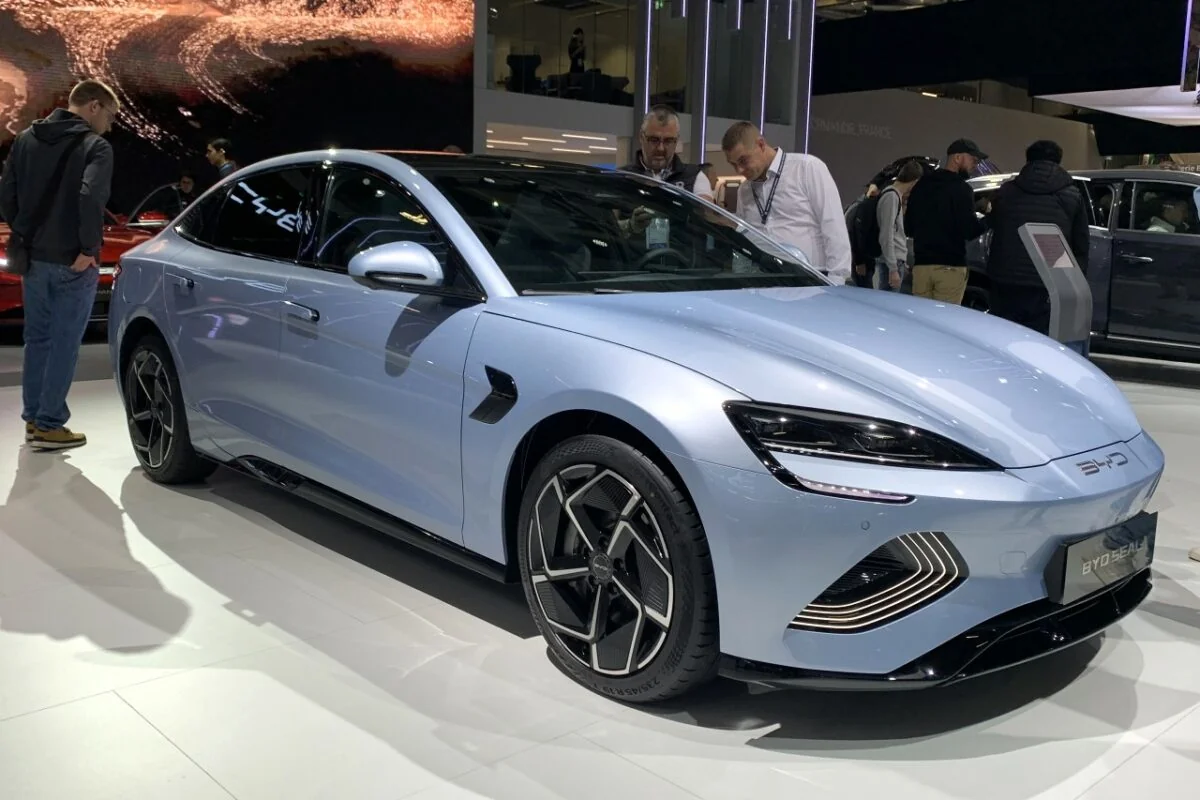
Are Chinese cars in Ghana really giving us affordable luxury, or are local drivers walking straight into a costly trap? Drive through the streets of Accra, Kumasi, or Takoradi today, and you will notice a massive transformation on our roads. Shiny SUVs and sleek sedans with badges like Changan, Geely, Chery, Haval, and BYD are no longer rare sights; they are everywhere.
Data from the Ghana Statistical Service reveals that China now accounts for 22.1% of all vehicle and vehicle parts imports into Ghana. That officially makes China our second-largest auto supplier after the United States, pushing past traditional giants like Japan, Germany, and South Korea. Modern Chinese vehicles tempt buyers with panoramic sunroofs, massive touchscreen displays, and 360-degree cameras at prices that make a brand-new Japanese or European car look wildly expensive.
However, many Ghanaian car buyers remain hesitant and suspicious. They wonder if these tech-loaded vehicles can truly handle our tropical heat, pot-holed bypasses, and uneven suburban roads without falling apart after three years. Buying a car in Ghana is a major financial milestone, so you need to know whether these modern machines offer true long-term value or if they will leave you broke at the mechanic’s workshop.
Why Are Chinese Cars Taking Over Ghanaian Roads So Fast?
Chinese cars are spreading across Ghana rapidly because they solve a huge budget problem for local drivers. They offer brand-new vehicle ownership with full dealership warranties at the price of a six-year-old imported used car.
For decades, middle-class Ghanaian workers faced a frustrating choice: either buy an expensive brand-new vehicle or gamble on a high-mileage foreign-used car with hidden accident histories. Chinese automakers stepped right into that gap with aggressive pricing. Industry trade reports show that Chinese vehicles land in West Africa at prices 15% to 30% lower than comparable Japanese or Korean models.
Additionally, local distribution partnerships have dramatically changed the game. Major established auto dealers in Ghana, such as Japan Motors partnering with Geely, have built dedicated service centers and showrooms. This structural backing gives buyers the confidence that they are dealing with authorized distributors rather than random grey-market importers.
Are Chinese Cars Truly Affordable Luxury or Just Flashy Plastic?
Modern Chinese cars offer genuine luxury features, but their long-term material durability compared to traditional luxury brands remains a valid debate. You get high-end tech and comfortable leather interiors for a fraction of European vehicle prices, though some trim components may wear down faster under heavy usage.
Step inside a modern Chery Tiggo 8 Pro, Haval H6, or Geely Coolray, and you will immediately see why buyers are excited. You are greeted by dual-screen digital dashboards, ambient interior lighting, wireless phone charging, and Level 2 semi-autonomous driving assists. These are premium features that traditional brands often lock behind high-end luxury packages.
To back up their claims, top Chinese auto brands now offer 5-year to 7-year factory warranties in Ghana. This reflects real manufacturing progress, as global safety bodies like Euro NCAP routinely award 5-star crash safety ratings to these newer models. While the soft-touch seats and digital screens look amazing in year one, long-term plastic durability under our intense tropical sun is something owners must keep an eye on.
What Are the Real Facts and Data Behind China’s Auto Surge in Ghana?
The statistics clearly show that China’s auto dominance in Ghana is backed by solid international trade growth and favorable national policy shifts. Data proves that this is a long-term economic transition rather than a temporary trend.
- China’s share of vehicle and parts imports into Ghana climbed to 22.1% in 2025, up significantly from 14.2% in 2021.
- Global vehicle export data shows China exported over 8.32 million vehicles worldwide in 2025, solidifying its status as the world’s top global automotive exporter.
- Ghana’s 0% import duty policy on Electric Vehicles gives pure EV brands like BYD a massive cost advantage over traditional internal combustion engines.
- Top Chinese brands operating in Ghana today include Changan, Geely, BYD, Chery, MG, JAC, Jetour, and Haval.
- Nearly 90% of vehicle imports into Ghana historically were used vehicles, but Chinese imports are expanding brand-new vehicle access.
- Modern Chinese SUVs feature higher ground clearance engineered specifically to survive rough road conditions in emerging markets.
- Factory warranties on new Chinese imports in Ghana now range between 100,000 km to 150,000 km over 5 to 7 years.
- All newly manufactured Chinese vehicles now comply with China 6b emission standards, which are stricter than Euro 6 frameworks.
Can Chinese Cars Survive Bad Ghanaian Roads and Extreme Tropical Heat?
Modern Chinese vehicles imported through official Ghanaian distributors are specifically tropicalized to endure hot weather and rough roads. However, buying unauthorized grey-market imports built for cold climates can lead to serious mechanical trouble.
In past years, early Chinese imports suffered from overheating and weak suspension components because they were not built for African driving environments. Today, official regional divisions run specific heat, dust, and road test programs before launching vehicles in West Africa. Modern engines arriving in Accra feature heavy-duty cooling systems, tropicalized air conditioning, higher ground clearance, and reinforced suspension subframes.
The hidden trap happens when buyers import vehicles directly from cold-climate regions through unauthorized channels to save a small amount of money. Those grey-market units lack the upgraded radiators and tropical rubber seals needed for Ghana’s 30°C+ daily temperatures. If you buy an officially adapted tropicalized unit, the car will handle daily commuting comfortably.
Is Finding Spare Parts and Quality Mechanics in Ghana Still a Nightmare?
Finding spare parts for Chinese cars in Ghana is significantly easier than it was five years ago, though it still falls short of Japanese brands. Routine service parts are widely stocked in major hubs, but specialized body panels can still take weeks to arrive.
The main fear Ghanaian drivers have is buying a car and finding no spare parts at Abossey Okai or Suame Magazine when something breaks. Major brands like Changan, Geely, and BYD have addressed this by establishing authorized parts warehouses and regional distribution hubs. Fast-moving items like brake pads, oil filters, spark plugs, and air filters are readily available in Accra, Kumasi, and Takoradi.
However, if you suffer severe accident damage requiring unique electronic modules, headlight clusters, or specific body panels, you may face a 2 to 4-week wait for factory shipments. Outside major cities, independent roadside mechanics are still more comfortable with older mechanical designs than with complex Chinese software systems. Sticking to main dealer workshops or certified technicians remains necessary for complex electronics.
What Will Your Chinese Car Be Worth When You Decide to Sell It Later?
Chinese cars lose their value faster on the Ghanaian used car market compared to traditional Toyota or Honda models. While traditional Japanese cars hold 65% to 78% of their value after five years, Chinese cars typically retain between 50% and 65%.
Depreciation is where the “costly trap” argument has some truth. Ghanaian second-hand car buyers are naturally conservative; they prefer buying used cars with long track records for easy maintenance. Because modern Chinese cars are still building their long-term track records on local roads, resale demand in the open market remains lower.
If you plan to buy a vehicle and resell it in two or three years to recover most of your cash, a Chinese car might disappoint you at resale time. But if your plan is to drive the vehicle for six to eight years while enjoying brand-new comfort, factory warranty protection, and zero fuel system troubles, the initial cost savings offset the lower resale value.
Should You Buy a Pure Electric Chinese Vehicle like BYD in Accra Today?
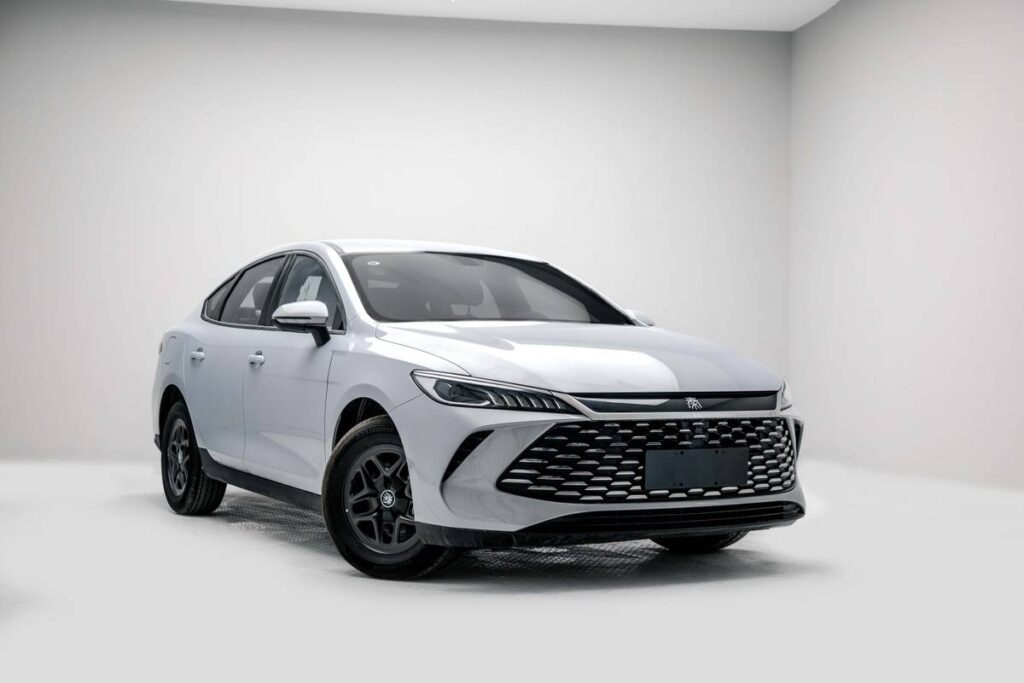
Buying a Chinese Electric Vehicle (EV) in Ghana makes total financial sense for urban commuters due to zero import duties and massive fuel savings. However, it requires reliable home charging infrastructure and is best suited for city driving.
With fuel prices fluctuating at local pumps, driving an EV like the BYD Atto 3 or BYD Seagull offers huge operational savings. Government tax incentives grant 0% duty on electric passenger vehicles, allowing importers to pass huge savings directly to buyers. Additionally, BYD’s Blade Battery technology is widely recognized as one of the safest and longest-lasting EV battery designs globally.
The catch is charging infrastructure. If you live in an apartment without dedicated parking or travel frequently across rural areas, public charging can be challenging. But for homeowners in Accra or Kumasi who commute locally and charge overnight, a Chinese EV is one of the smartest money-saving moves available today.
How Can You Avoid Getting Trapped When Buying a Chinese Car in Ghana?
Avoiding a costly trap comes down to buying through authorized channels, sticking to established brands, and verifying after-sales service before making a payment. Following a systematic evaluation routine ensures your purchase remains a luxury experience rather than a financial mistake.
Choose Official Local Dealerships
Always purchase your vehicle through official local distributors like Changan Ghana, Japan Motors (Geely), or authorized BYD partners. Official dealers handle import documentation correctly, provide genuine factory warranties, and supply software updates designed for our region.
Verify Spare Parts Availability
Before signing sales documents, ask the dealer’s service manager to show you their local inventory for routine service components and body panels. Ensure they have local workshops in your city so you do not have to tow your car across regions for simple repairs.
Stick to Top Tier Market Leaders
Stick with proven market leaders like Changan, Geely, BYD, Chery, MG, and Haval. These manufacturers have established global footprints, strong financial backing, and long-term commitments to West Africa, lowering the risk of stranded inventory.
Confirm Tropicalization Specifications
Confirm that the vehicle’s specification sheet explicitly confirms tropicalized cooling systems and heavy-duty dust filters. Avoid grey-market personal imports shipped directly from cold regions, as their cooling setups struggle in local weather.
Final Verdict: Is a Chinese Car Worth Your Hard-Earned Cedi?
A modern Chinese vehicle in Ghana is an incredible, affordable luxury option if you buy from authorized dealers and intend to keep it long-term. It turns into a costly trap only if you buy grey-market imports, ignore warranty terms, or expect Japanese-level resale value after two years.
For most Ghanaian drivers looking for modern technology, zero mileage reliability, safety features, and fuel efficiency without breaking the bank, the Chinese auto evolution is a welcome shift. As long as you do your homework on dealership support and parts availability, driving a brand-new Chinese car off the showroom floor is one of the most practical financial decisions you can make in today’s auto market.
Also Read: will brand new cars finally save ghana auto market