

 By Emmanuel Bamfo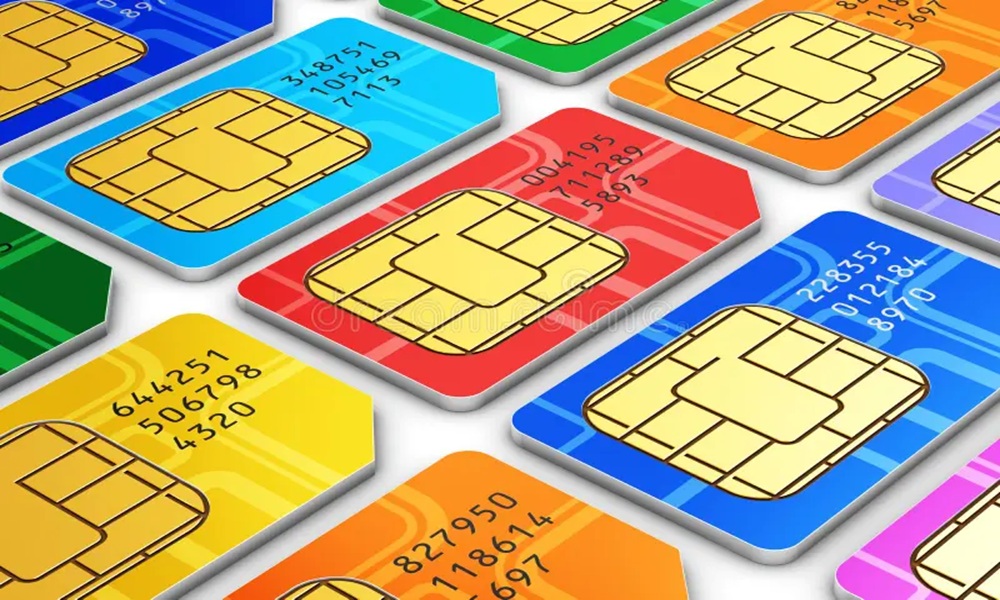
The West African telecommunications market has received a massive shakeup following the official nationwide rollout of a dynamic new mobile network operator. Entering as a direct challenger to existing giants like MTN, Airtel, and Glo, the brand-new telco is rolling out instant physical SIM cards and digital eSIM profile activations across major cities.
I always joke that whenever mobile networks start fighting over subscribers, the consumer wins because data bundle prices finally drop to realistic levels! IMO, having a fresh competitor break the long-standing telecom oligopoly is exactly the push our regional digital economy needs for faster internet and reliable call connectivity.
 New Telco Begins Operations  ===>  Rolls Out Physical SIMs & eSIMs  ===>  Triggers Regional Network Rivalry  ===>  Drives Affordable Data Options
    (Nationwide Launch Ready)             (Instant Digital Profile Setup)         (Challenges MTN, Airtel & Glo)             (Subscribers Gain Better Rates)
Why A New Telecommunications Player Changes Everything
Why are mobile subscribers and tech enthusiasts buzzing over the arrival of a new network operator across West Africa? For years, dominant telecom giants have controlled voice call traffic, enterprise data, and mobile financial services, leading to frequent complaints about high internet bundle tariffs and erratic network service quality.
According to official telecommunications industry reports, introducing a new player forces existing operators to upgrade their tower infrastructure and refine customer care delivery.
This fresh network launch gives everyday phone users an immediate alternative for consistent mobile broadband coverage.
-
Instant Digital eSIM Onboarding: Users can activate their electronic SIM profiles directly on compatible smartphones without visiting a physical retail store.
-
Flexible Voice & Data Bundles: The new operator introduces aggressive pricing packages targeting youth streaming, gaming, and remote work setups.
-
Network Infrastructure Expansion: Rolling out nationwide coverage forces older telcos to fix lingering network congestion issues in high-density areas.
-
Drives Market Price Competition: Increased market competition pushes existing giants to adjust high data tariffs downward to retain loyal subscribers.
I remember how frustrating it used to be whenever network coverage dropped during important online meetings, so watching a new telecom rival step in with physical SIMs and eSIM options brings real relief to data users.
The Tech Edge Behind Instant eSIM Profiles And Physical SIMs
How does the instant deployment of eSIM technology alter subscriber onboarding compared to standard plastic SIM registration processes?
An electronic SIM (eSIM) is embedded directly into smart devices, allowing users to install operator profiles digitally by scanning a dedicated QR code or downloading a profile setup file.
                 [ User Requests New Telco Connection ]
                                   |
            Selects Physical SIM Card or Virtual eSIM Profile
                                   |
                 [ Instant QR Code Scan & Identity Verification ]
                                   |
            Active High-Speed Data & Crystal-Clear Voice Service
-
Seamless Dual SIM Switching: Device owners can keep their existing numbers while using the new telco specifically for cheaper mobile data.
-
Enhanced Device Security: Virtual eSIM profiles cannot be removed physically if a phone gets lost or stolen, protecting personal data.
-
Widespread Physical Distribution: For subscribers using basic feature phones or older smartphone models, traditional plastic SIM cards remain readily accessible at retail hubs.
FYI, switching to an eSIM means you never have to hunt for a tiny SIM ejector pin ever again!
Breaking Up Telecom Monopoly Power For Digital Growth
Why is healthy competition vital for the long-term expansion of West Africa’s digital ecosystem?
When telecom markets remain limited to three or four major corporations, subscribers often face rigid pricing structures and sluggish customer service resolutions.
-
Faster Internet Speeds: Competition forces mobile operators to roll out 4G LTE and 5G coverage across underserved rural corridors.
-
Better Customer Support: New operators must offer responsive digital support channels to attract and retain disappointed subscribers from older networks.
-
Empowering Small Businesses: Affordable high-speed internet allows online vendors, content creators, and remote workers to scale up digital productivity.
As the new telecom operator scales up nationwide operations, mobile users will monitor network reliability, data rollover terms, and call quality very closely.
Also Read: 20 million children face online sexual abuse-unicef warns
Source: Ghana News Page