

 By Ishmeal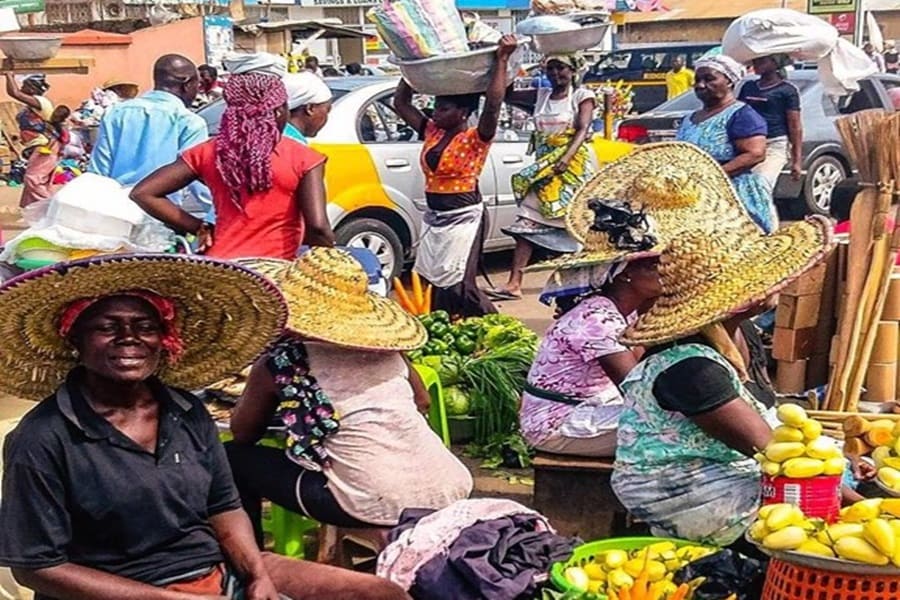
There is something we need to talk about as a nation, and it goes beyond politics, political parties, and campaign promises. It is about the ordinary Ghanaian who wakes up every morning with one major responsibility: finding a way to survive another day.
Let’s be honest. Life is becoming a serious financial responsibility for many people. From the young graduate searching for employment to the mother struggling to provide three meals for her children, the market woman trying to make daily sales, the commercial driver battling fuel and maintenance costs, and the worker whose monthly salary seems to disappear before the month even ends, everybody has a story.
Imagine someone earning GH₵2,000 monthly. Before the salary even arrives, there are already responsibilities waiting. Rent, transportation, food, electricity, water, family support, children’s school expenses, and unexpected emergencies.
After settling these obligations, what exactly is left for savings, personal development, or enjoying life?
Sometimes, people are quick to judge others for not progressing financially. But have we taken time to understand the economic realities behind their struggles?
A young person may have completed university, obtained certificates, and acquired professional skills, yet still depend on family members because employment opportunities are limited.
A hardworking parent may spend the entire day working but still struggle to provide basic necessities at home.
And the painful part? Many people are silently carrying financial burdens they cannot openly discuss.
But here is the bigger question: Are we building a society where hardworking people can genuinely enjoy the fruits of their labour?
We cannot continue measuring people’s success only by the cars they drive, the clothes they wear, the houses they live in, or the pictures they post on social media.
Behind some beautiful pictures are unpaid bills, financial commitments, family responsibilities, and personal sacrifices.
We need to start having meaningful conversations about financial literacy, employment opportunities, affordable housing, business development, entrepreneurship, and policies that directly affect everyday living.
Because development should not only be measured by beautiful buildings, roads, and infrastructure. It should also be reflected in the ability of ordinary citizens to afford food, access healthcare, educate their children, secure accommodation, and live with dignity.
Ghana needs a conversation that puts people at the centre.
Not everyone wants to become a millionaire. Some people simply want to earn enough to pay their bills without borrowing, provide for their families without struggling, and save something small at the end of every month.
Is that too much to ask?
LET’S HEAR FROM YOU, GHANA
If you earn GH₵2,000, GH₵3,000, or even GH₵5,000 monthly, do you believe you can comfortably take care of yourself and your family in today’s Ghana?
Which of these expenses gives you the biggest headache?
- Food and groceries
- Rent and accommodation
- Transportation
- School fees and education
- Electricity and water bills
- Healthcare
- Family responsibilities
- Business expenses
And to our young people, what is your biggest financial challenge today?
Let’s have a mature, respectful, and honest conversation. No insults, no unnecessary political arguments. Just real experiences from real people.
Sometimes, the most powerful stories are not found in government offices or corporate boardrooms. They are found in our markets, homes, workplaces, trotro stations, and communities.
Let the voices of ordinary Ghanaians be heard.
Beyond the Headlines, Into the Realities of the People.
Also Read: IMF Pushes Ghana To Tighten Crypto And Stablecoin Rules