

 By Collins Sarkodieh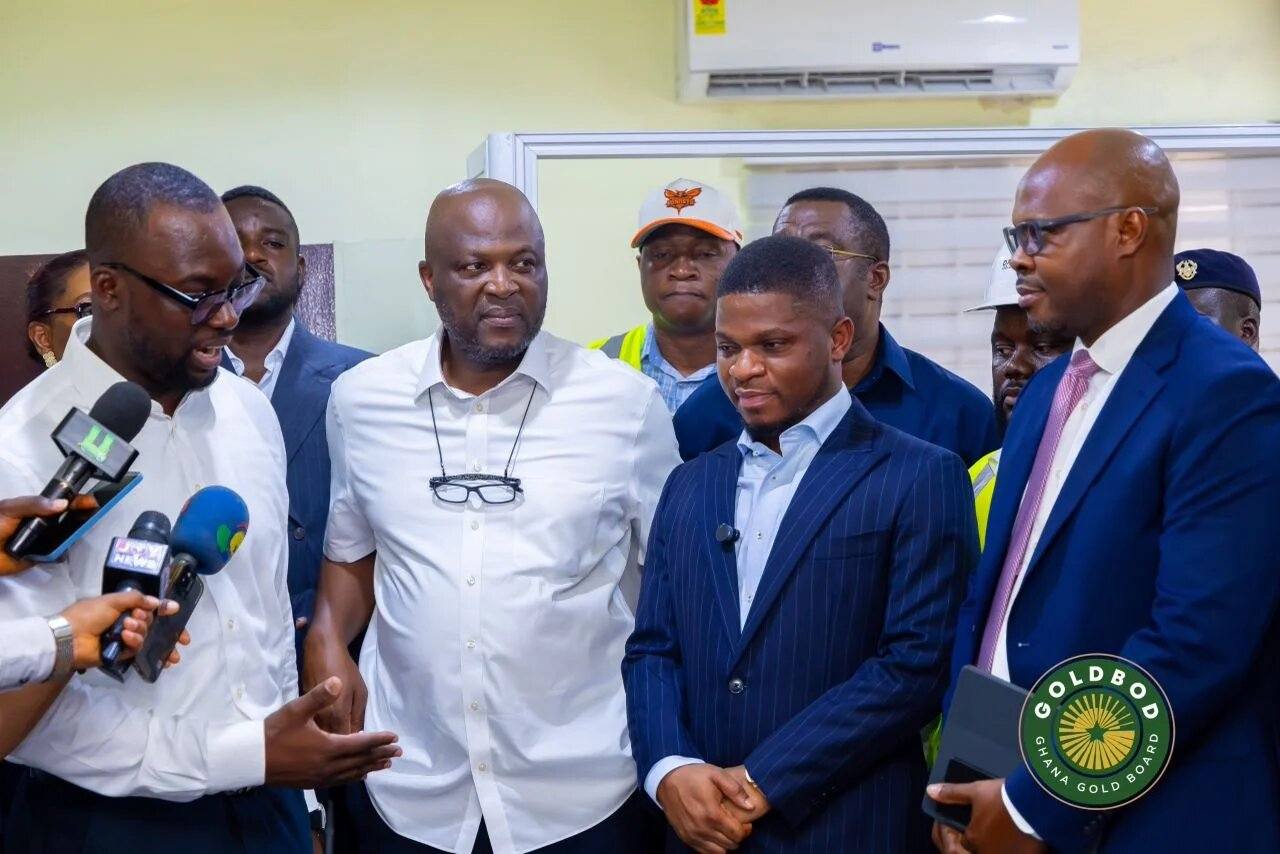
Damang Gold Mine Limited has successfully sold 100% of its first gold output to the Ghana Gold Board (GoldBod) for onward purchase by the Bank of Ghana. This historic transaction, involving approximately 110 kilograms of gold, is a strategic move designed to strengthen Ghana’s foreign reserves and enhance national economic resilience.
The sale marks a pivotal moment in the Ghana Accelerated National Reserve Accumulation Programme (GANRAP), showcasing how indigenous ownership in the mining sector can drive local value retention. By selling directly to the central bank via GoldBod, Damang Gold Mine ensures that the wealth generated from the country’s mineral resources stays within the national financial system to stabilize the cedi. This deal is being hailed as a blueprint for other large-scale mining companies to follow in supporting the country’s broader economic transformation goals.
Why is the Damang Gold Mine sale to the Bank of Ghana considered historic?
The sale is historic because it represents a rare instance where a large-scale, Ghanaian-owned mine has committed its entire initial output specifically to boost the national central bank’s gold reserves. It signifies a shift toward prioritizing national economic stability over immediate international market exports.
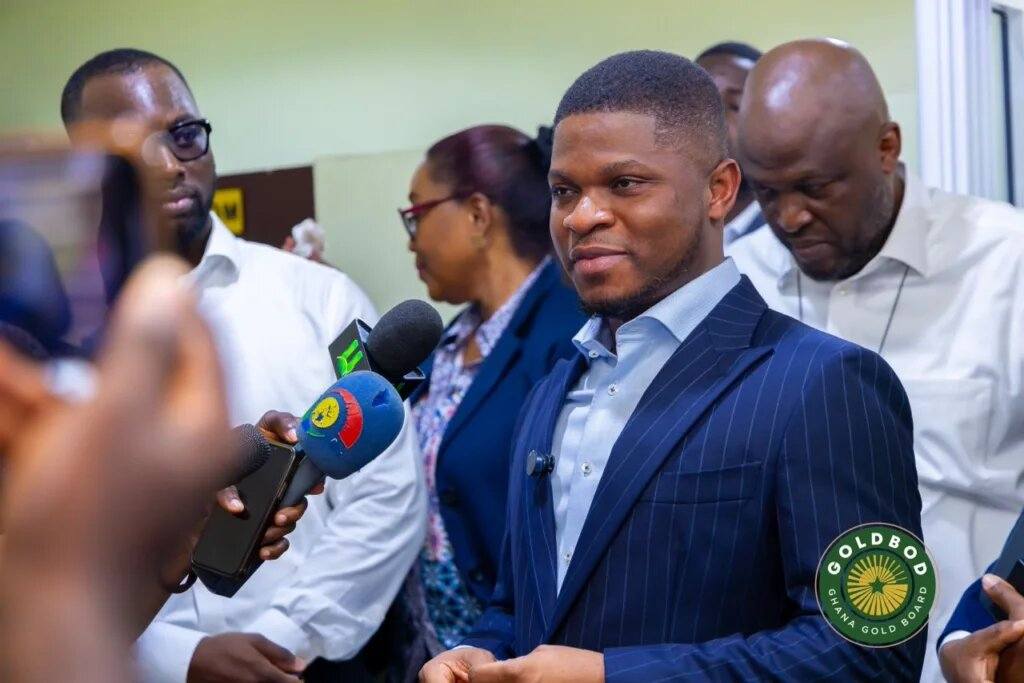
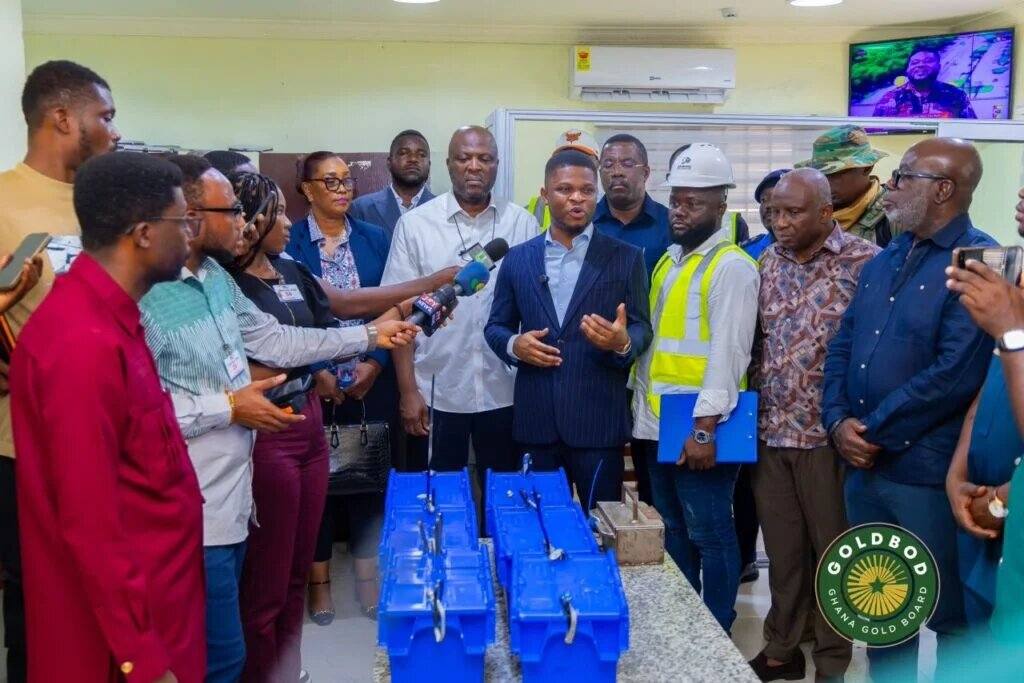
Taking place on Friday, April 30, at the GoldBod Assay Laboratory in Accra, the handover involved a delegation led by businessman Ibrahim Mahama and was received by GoldBod CEO Sammy Gyamfi. This transaction is the first major execution of its kind since the formal launch of the GANRAP initiative. It proves that local mining leaders can play a decisive role in sovereign wealth management by aligning their production cycles with government reserve targets.
How much gold was involved in this first output delivery?
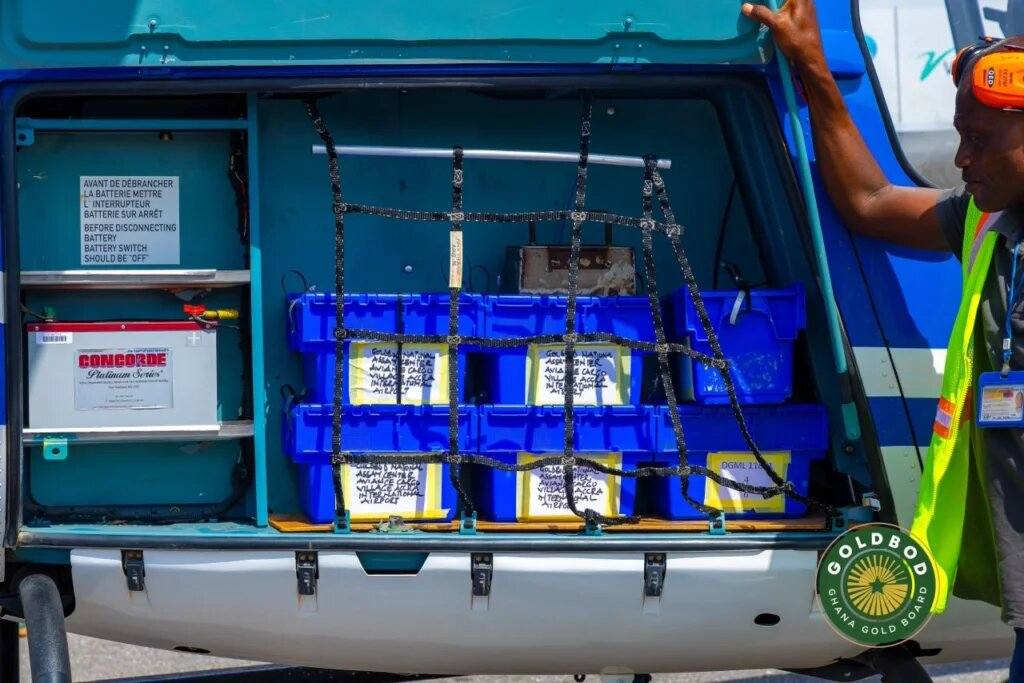
The initial gold output delivered to the Gold Board is estimated at approximately 110 kilograms. This substantial consignment will undergo a rigorous process of assaying and valuation before being officially refined and added to the central bank’s permanent gold reserves.
While 110 kilograms is a significant start, the true value lies in the 100% commitment of the output. Most large-scale miners typically export a vast majority of their production to international refineries. By keeping this entire first batch in-country, Damang Gold Mine provides the Bank of Ghana with liquid, high-value assets that act as a buffer against currency volatility.
What is the Ghana Accelerated National Reserve Accumulation Programme (GANRAP)?
GANRAP is a government-led initiative, approved by Parliament, aimed at aggressively building Ghana’s foreign exchange and gold reserves to safeguard the economy against external shocks. It encourages mining companies to sell a portion of their refined gold to the state rather than shipping it abroad.
The program is a cornerstone of Ghana’s strategy to improve its creditworthiness and reduce reliance on foreign debt. By accumulating gold internally, the Bank of Ghana can print currency with stronger backing and manage the exchange rate more effectively. GoldBod CEO Sammy Gyamfi noted that the success of GANRAP depends on industry players emulating the “patriotic” example set by Ibrahim Mahama and the Damang Gold Mine team.
Why is Ghanaian ownership in the mining sector so critical now?
Sammy Gyamfi emphasized that Ghanaian ownership and leadership are the primary drivers for maximizing national benefits and ensuring that mineral wealth translates into local development. When mines are owned by locals, the profits and the physical gold are more likely to be reinvested into the domestic economy.
Logic dictates that local owners have a vested interest in the country’s long-term stability that foreign multinationals may not share. Indigenous leadership helps in “enhancing local value retention,” which means the money spent on equipment, labor, and services stays within Ghanaian borders. This deal serves as a reminder that the mining sector can be a tool for economic sovereignty if the right people are at the helm.
Factual Insights on Damang Gold Mine and Ghana’s Gold Reserves:
- Transaction Date: The historic gold sale occurred on Friday, April 30, 2026.
- Total Weight: Approximately 110 kilograms of gold were delivered in the first batch.
- Ownership: Damang Gold Mine Limited is owned by prominent businessman Ibrahim Mahama.
- Recipient: The gold was received by GoldBod (Ghana Gold Board) for the Bank of Ghana.
- National Strategy: The sale supports the Ghana Accelerated National Reserve Accumulation Programme (GANRAP).
- Economic Impact: Gold reserves are used to stabilize the cedi and improve foreign exchange liquidity.
- Mining Participation: There is currently a push for large-scale mining companies to increase their contributions to national reserves.
What are the concerns regarding other large-scale mining companies?
There is ongoing concern from officials like Sammy Gyamfi regarding the relatively low contribution of some large-scale mining companies to the country’s reserve accumulation. Many foreign-owned firms continue to prioritize international sales, which limits the immediate gold available to the Bank of Ghana.
By highlighting the Damang Gold Mine’s 100% sale, GoldBod is effectively calling out the rest of the industry to “step up”. The government’s goal is to create a model where increased local participation leads to a more balanced distribution of wealth. If more companies do not align with GANRAP voluntarily, it could lead to stricter legislative requirements for gold sales to the state.
Also Read: GoldBod–Gold Coast Refinery Deal Signals New Direction for Ghana’s Gold Value Chain
What happens to the gold after it is received by GoldBod?
Once the gold arrives at the GoldBod Assay Laboratory, it undergoes a detailed assaying process to determine its purity and exact value. Following this, the Gold Board purchases the gold on behalf of the Bank of Ghana at prevailing market rates.
The final step is refinement, after which the gold is officially added to the central bank’s vaults as part of the national reserves. This process ensures that the gold is “bankable” and can be used in international financial transactions if necessary. It is a highly coordinated effort between the mine, the regulator, and the central bank to ensure full transparency and security.
How will this sale affect the Ghanaian cedi and the broader economy?
Increasing gold reserves is a direct way to support the value of the Ghanaian cedi, as it provides a solid asset base that global investors trust. When the Bank of Ghana has more gold, it has more “firepower” to intervene in the foreign exchange market to prevent a rapid depreciation of the local currency.
For the average Ghanaian, a stronger reserve position means more stable prices for imported goods and lower inflation over time. The Damang Gold Mine deal is essentially a “confidence boost” for the entire economy. It tells the world that Ghana is leveraging its own natural resources to fix its financial problems, rather than just waiting for a bailout.
What is the future outlook for local mining participation in Ghana?
The expectation is that the Damang Gold Mine model will encourage more Ghanaian entrepreneurs to enter the large-scale mining space. As local value addition becomes a priority, the government is likely to provide more support to indigenous firms that commit to supporting national reserves.
This transaction has set a high bar for what “corporate social responsibility” looks like at a national level. It isn’t just about building a school or a clinic; it’s about helping the state maintain its economic independence. In the coming months, we may see more local firms aligning with GANRAP as the benefits of this “historic” first output sale begin to ripple through the financial sector.
Also Read: Bank of Ghana Quits Trading Gold on a Small Scale