

 By Ghana News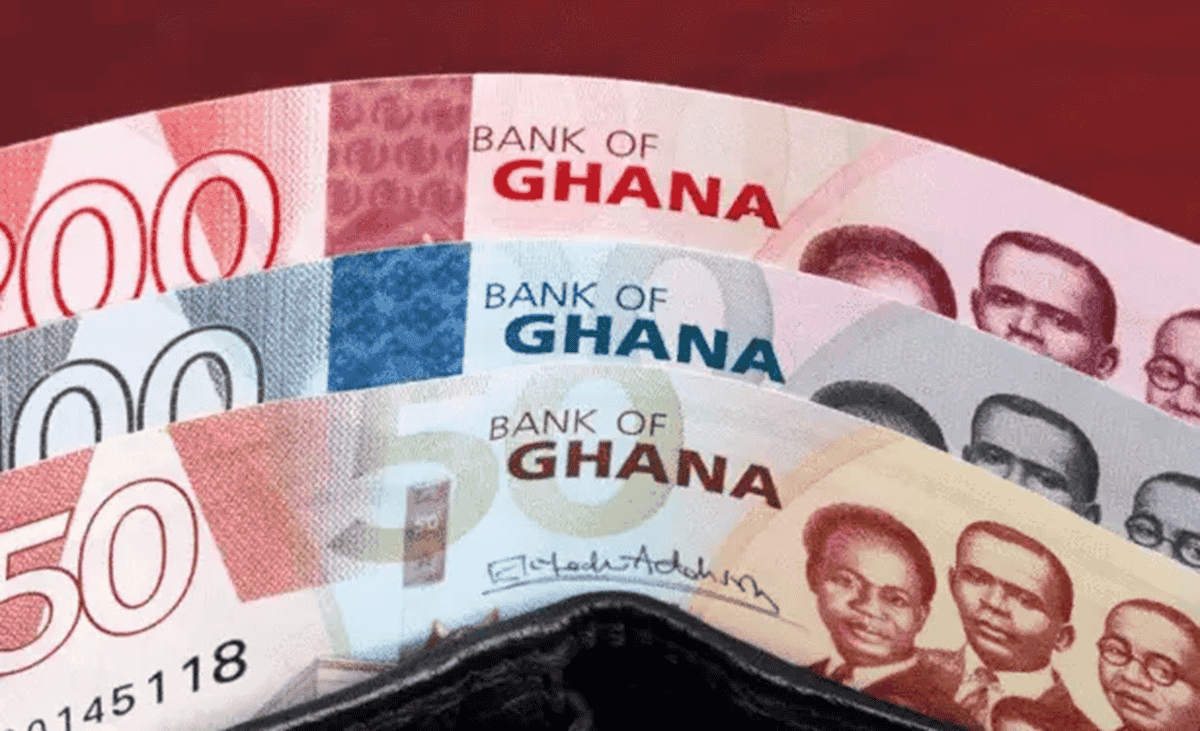
The Ghana cedi took an unexpected dip during the first five months of 2026. According to the latest Economic and Financial Summary from the Bank of Ghana the local currency depreciated by 8.4 percent against the US dollar. This gradual slide outpaces the 6.6 percent drop recorded during the exact same period in 2025. It seems the foreign exchange market has a mind of its own right now ignoring otherwise positive national economic news.
The Gradual Downward Trend Explained
The currency faced early pressure right at the start of the year. The cedi recorded a year to date depreciation of 4.6 percent in January alone before catching a brief breath of relief in February. However the downward trend resumed quickly in March and continued steadily through April and May.
The average exchange rate shifted from 10.95 cedis to the dollar in January to 11.4125 cedis by mid May 2026. Unlike the wild roller coaster volatility witnessed in previous years this recent depreciation pattern feels much more gradual but stubbornly sustained.
Strong Economic Fundamentals Meet Currency Reality
Here is where the situation gets quite interesting from a purely economic perspective. The cedi is losing ground despite Ghana boasting some seriously impressive macroeconomic numbers. Logic dictates that strong national exports should naturally support the local currency but forex markets rarely follow simple logic.
The sustained pressure on the cedi points toward external variables taking the steering wheel. Financial analysts suggest that capital outflows portfolio adjustments and shifting investor sentiment are playing a much heavier role behind the scenes than actual trade balances.
Three Key Factual Insights on the Ghana Economy
- Ghana achieved a massive trade surplus of 5.28 billion dollars by April 2026 driven largely by robust global gold and oil export revenues.
- The Gross International Reserves of the country hit a highly respectable 14.42 billion dollars in May 2026 which provides enough financial cover for about six months of imports.
- National inflation cooled down dramatically to just 3.4 percent in April 2026 representing a massive improvement from the 18.4 percent rate recorded exactly one year prior.
What does this mean for the average business owner or consumer in Ghana moving forward? If these exchange rate pressures persist over the coming months we might see a noticeable ripple effect across the broader economy.
A consistently weaker cedi directly increases the cost of imported goods. This rising cost could eventually threaten the incredible recent victories won against national inflation. Local importers need to plan their upcoming budgets carefully while government policymakers must figure out how to reassure foreign investors and plug the capital outflows. The financial fundamentals look absolutely great on paper but the actual foreign exchange market clearly demands a bit more convincing.
Also Read: The GH₵3 Billion Cedi Mortgage Fund: Transforming Public Sector Home Ownership in Ghana
Source – citynewsroom