

 By Collins Sarkodieh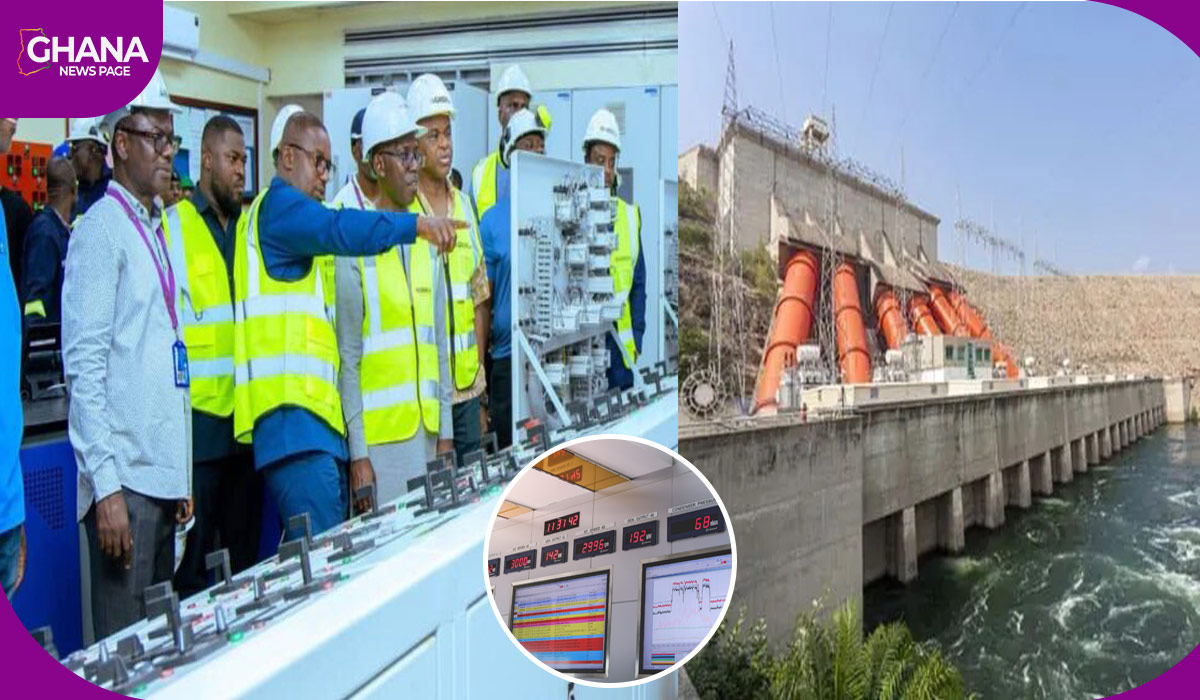
Ghana has successfully restored the fifth-generation unit at the Akosombo Hydroelectric Power Station, signaling that the national grid recovery is in its final stages. Energy Minister Dr. John Abdulai Jinapor confirmed that the unit is fully operational as of Thursday, April 30, following a high-stakes technical effort to repair damage caused by a substation fire earlier this week.
The restoration brings the plant’s operational capacity to approximately 85%, significantly easing the power deficit that triggered widespread blackouts across the country. This milestone is critical for stabilizing the grid and preventing a return to protracted power rationing. With five out of six turbines now synchronized, engineers are shifting their focus to the final unit to return the facility to its full 1,020MW capacity.
How did the Akosombo substation fire impact Ghana’s power supply?
The fire at the GRIDCo substation in Akosombo severely damaged the control room, which initially crippled the plant’s ability to evacuate power to the national grid. This technical failure sparked widespread blackouts, leading many citizens to fear the return of “Dumsor,” the local term for persistent and unannounced power rationing.
Because Akosombo is the backbone of Ghana’s energy infrastructure, the loss of its evacuation capacity created an immediate generation deficit. The damage was not just to the turbines themselves but to the systems that manage and distribute the high-voltage electricity. Engineers had to work around the clock to bypass these damaged systems and safely reintegrate the massive turbines into the national transmission line.
What is the significance of the fifth unit going live at Akosombo?
The successful commissioning of the fifth unit means that Akosombo is now operating at near-maximum levels, providing a vital boost to the national generation pool. According to Dr. Jinapor, the startup was carried out smoothly, demonstrating high levels of coordination between the Volta River Authority (VRA) and GRIDCo.
This development is a critical step toward ensuring a reliable power supply for both domestic and industrial consumers. By bringing this specific unit online, technical teams have largely eliminated the power deficit caused by the initial blaze. It transforms the current situation from an emergency crisis management phase into a final stabilization phase.
Who is leading the technical restoration of the Akosombo power plant?
The restoration is being led by expert engineers from the Volta River Authority (VRA) and the Ghana Grid Company (GRIDCo) under the supervision of the Ministry of Energy. These teams have been praised for their ability to perform a “high-stakes technical feat” by bypassing damaged control infrastructure to synchronize the units.
Minister Dr. John Abdulai Jinapor has been the primary source of updates, using official social media channels to maintain transparency during the recovery. While political critics and some energy analysts initially questioned the government’s ability to manage the fallout, the steady daily progress in unit restoration has suggested the crisis is now under control.
When will the Akosombo Hydroelectric Power Station reach 100% capacity?
The facility is expected to reach its full 1,020MW nameplate capacity once the sixth and final generation unit is successfully commissioned. Current efforts are focused entirely on this remaining unit, which will bring the plant back to its total maximum output.
Given that five units are already live and synchronized, the technical risk for the final unit is considered lower, though engineers remain cautious. The timeline for the final unit’s activation depends on the remaining repairs needed in the damaged control room area. Once complete, the grid will be significantly more resilient against the intermittent outages seen earlier this week.
Also Read: Ghana Power Maintenance Update: ECG Boss Outlines Timelines for Grid Restoration
Factual Insights on the Akosombo Grid Recovery:
- Restoration Milestone: The 5th unit was officially commissioned on Thursday, April 30, 2026.
- Total Capacity: Akosombo has a full nameplate capacity of 1,020MW.
- Current Recovery Status: Five out of six units are currently live, representing roughly 85% of the plant’s capacity.
- Cause of Outage: A fire at the GRIDCo substation severely damaged the facility’s control room.
- Energy Leadership: Dr. John Abdulai Jinapor is the Minister of Energy and Green Transition overseeing the recovery.
- Agency Collaboration: The VRA manages the generation units while GRIDCo handles the transmission and substation infrastructure.
- National Impact: The restoration aims to stabilize power for both domestic households and industrial sectors.
Why was the restoration described as a “high-stakes technical feat”?
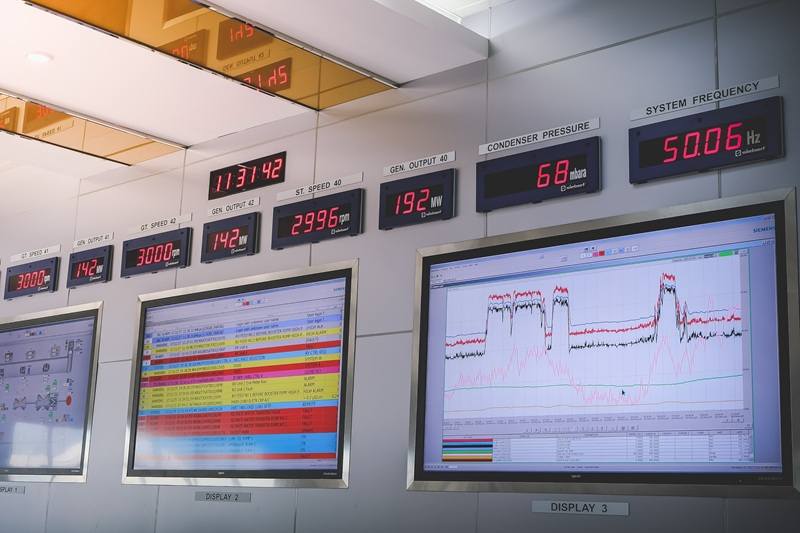
Restoring a hydroelectric plant after a control room fire is incredibly complex because the digital and manual systems used to synchronize turbines with the national grid are extremely sensitive. Engineers had to manually bypass charred wiring and damaged electronic control modules while ensuring the massive turbines didn’t fluctuate in frequency.
If the synchronization is not perfect, it can cause a “cascading failure” that trips other power plants across the country, leading to a total national blackout. The fact that five units have been brought back online without such a failure speaks to the high level of technical competence of the VRA and GRIDCo staff. They aren’t just “fixing a switch”; they are essentially re-wiring the brain of the power plant while the body is still trying to run.
How does this recovery impact the “Dumsor” conversation in Ghana?
The rapid restoration of the Akosombo units has significantly dampened fears of a return to “Dumsor,” or long-term scheduled power rationing. While intermittent outages were experienced immediately after the fire, the current generation levels suggest that the power deficit is being closed faster than many analysts predicted.
Stabilizing Akosombo is the most effective way to end rationing because it provides the cheapest and most reliable bulk power to the country. As long as the grid recovery continues at this pace, the threat of a protracted power crisis diminishes daily. The successful startup of the fifth unit is the strongest evidence yet that the national grid is returning to its normal, pre-disaster state.
What are the next steps for the Ministry of Energy and Green Transition?
The immediate next step is the commissioning of the sixth unit, but the Ministry is also looking toward a full forensic audit of the fire to prevent future occurrences. Dr. Jinapor has emphasized that maintaining a “stable and reliable” supply is a long-term goal that requires upgrading older substation infrastructure.
Beyond the technical repairs, there will likely be a focus on reinforcing the control rooms at major power hubs like Akosombo with modern fire-suppression and redundant control systems. This ensures that even if one part of a substation fails, the entire plant’s evacuation capacity isn’t lost. For now, the focus remains on the finish line: getting that final unit synchronized and restoring 100% of the plant’s output.
Also Read: ECG Attributes Accra West Power Outage to Transformer Fault at Shiabu