

 By Collins Sarkodieh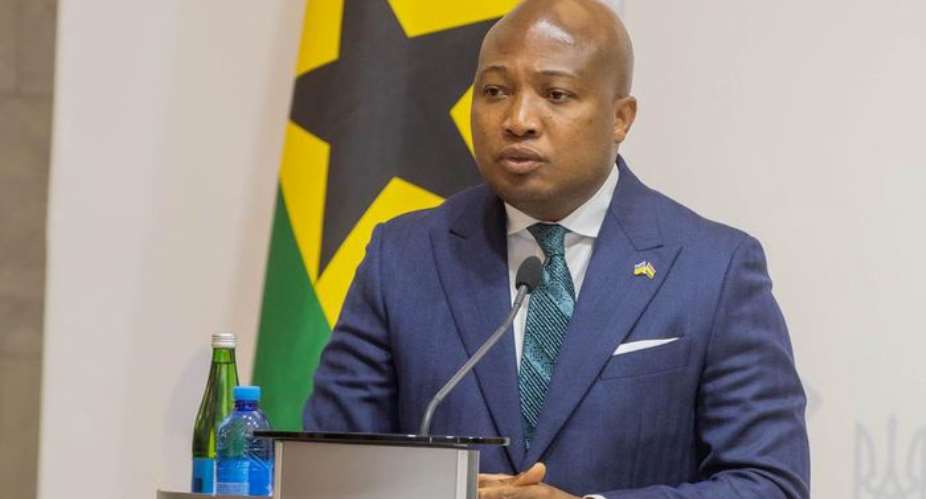
The Minister for Foreign Affairs, Samuel Okudzeto Ablakwa, has officially confirmed that no Ghanaian life has been lost following recent xenophobic incidents in South Africa. Through direct high-level engagement with South African Foreign Minister Ronald Lamola, the Ghanaian government has secured a commitment for a full-scale investigation into viral videos showing the mistreatment of Ghanaian residents.
This diplomatic intervention was triggered by trending footage that sparked widespread fear across social media platforms. The Ghanaian victim identified in the primary video has been located by the Ghana High Commission in Pretoria and is currently in good condition while receiving comprehensive consular assistance. By prioritizing immediate communication between Accra and Pretoria, the government has successfully de-escalated a potentially volatile situation, ensuring that justice is pursued through formal bilateral channels rather than through reactionary measures.
How is the Ghana government engaging South Africa over viral xenophobia concerns?
The Ghanaian government is engaging South Africa through direct telephone diplomacy and coordinated meetings between African Ambassadors and South African security officials. Foreign Affairs Minister Samuel Okudzeto Ablakwa held a critical morning call with his counterpart, Ronald Lamola, specifically addressing the “disturbing” nature of the trending videos and demanding state protection for Ghanaian nationals.
Beyond the ministerial level, the Ghana High Commission in South Africa is working on the ground to provide a localized response. This dual-layered approach ensures that while policy-level promises are made in Pretoria, practical support is delivered to victims on the streets. The goal is to ensure that the South African government acknowledges these incidents not as isolated scuffles, but as systemic issues that require a “full-scale investigation” to maintain the integrity of pan-African relations.
What is the current condition of the Ghanaian victim seen in the viral video?
The Ghanaian national featured in the viral video is alive, stable, and “doing very well” under the care of the Ghana High Commission. Consular officers were dispatched immediately to locate the individual, providing him with medical assessment and the necessary legal guidance to document the assault for the ongoing South African police investigation.
Minister Ablakwa’s update served as a vital corrective to rumors circulating online that suggested the victim had succumbed to his injuries. By verifying the victim’s safety and health, the Ministry has provided a sense of relief to the diaspora community. The victim is now an active participant in the investigation, helping South African authorities identify the specific perpetrators involved in the confrontation.
Why did the Foreign Affairs Minister emphasize that “no Ghanaian life was lost”?
The emphasis that “no Ghanaian life has been lost” was a strategic communication move to prevent retaliatory violence and maintain public order within Ghana. In the past, unverified reports of fatalities in xenophobic attacks have led to protests and attacks on South African businesses in other African nations; hence, factual clarity was essential to “urge calm and confidence.”
By confirming zero casualties, the Minister effectively lowered the national anxiety level. This statement allows the diplomatic process to proceed in a sober environment, focusing on property rights and physical safety rather than mourning and retribution. It also places a clear “benchmark” on the situation, holding South African authorities accountable for maintaining this status as they move to secure immigrant-heavy neighborhoods.
What has South Africa promised in response to the Ghanaian government’s intervention?
South African Foreign Minister Ronald Lamola has promised a “full-scale investigation” into the reported attacks and expressed formal empathy for the victims. Furthermore, the South African government has committed to holding an emergency briefing with all African Ambassadors to outline the specific security protocols being implemented to curb the violence.
This promise of a briefing is significant because it moves the issue from a bilateral complaint to a multilateral concern. When the South African government faces a collective of African diplomats, the pressure to deliver results is much higher. The promised investigation is expected to look into the “Operation Dudula” rhetoric and other grassroots movements that often serve as the catalysts for these xenophobic flair-ups.
How is the Ghana High Commission coordinating the response on the ground?
Ghana’s High Commissioner to South Africa is in “constant contact” with the Foreign Affairs Ministry in Accra to synchronize their response strategies. This coordination includes mapping out areas where Ghanaian traders and residents are most concentrated and establishing emergency “hotlines” for citizens who feel threatened.
The High Commission is also acting as a liaison between the victims and the South African Police Service (SAPS). By having diplomatic eyes on the ground, Ghana ensures that reports filed by its citizens are not ignored or downgraded by local precincts. This “active presence” is a key component of what Ablakwa described as an “uncompromising” commitment to the welfare and safety of Ghanaians abroad.
What role do African Ambassadors play in addressing xenophobia in South Africa?
African Ambassadors in South Africa serve as a unified diplomatic bloc that pressures the host government to uphold the African Union’s principles of free movement and human dignity. The scheduled briefing between these ambassadors and the South African government is intended to create a standardized “crisis response” that protects all migrants, not just those from a single country.
These ambassadors often share intelligence on emerging “hotspots” and coordinate joint statements to ensure that the South African executive branch remains aware of the international reputational costs of xenophobia. For Ghana, participating in this collective briefing ensures that the specific grievances of the Ghanaian community are integrated into the broader regional demand for migrant safety and legal protection.
Why is Minister Ablakwa calling for calm and unity among Africans?
Minister Ablakwa is calling for calm to protect the delicate web of African unity and to prevent the “undermining of relations” that could damage economic initiatives like the African Continental Free Trade Area (AfCFTA). He warned that reactionary anger could play into the hands of those who wish to see African nations divided, ultimately hurting the “Pan-African” dream.
Unity is not just a sentiment; it is a functional necessity for trade and regional stability. If Ghanaians were to react aggressively against South African interests in Accra, it would only lead to a cycle of escalation that endangers more lives. The call for “calm and confidence” is a plea for citizens to trust the diplomatic machinery to work, rather than taking the law into their own hands.
How does the government safeguard the welfare of Ghanaians abroad?
The government safeguards its citizens abroad through “Consular Assistance,” which includes legal aid, emergency repatriation, and diplomatic advocacy in the host country’s courts. This framework is governed by the Vienna Convention on Consular Relations, which allows Ghana to intervene whenever its citizens’ rights are being trampled upon in a foreign land.
Ablakwa’s “uncompromising” stance means that the Ministry is willing to use political leverage to ensure these protections are not just theoretical. Whether it is a visa-free agreement or a safety intervention, the Ministry’s goal is to ensure that the “Ghanaian identity” carries a level of state-backed protection that discourages foreign entities or individuals from targeting them.
What are the “extremely disturbing” elements of the trending xenophobic videos?
The videos described as “extremely disturbing” by the Minister typically show unprovoked physical assaults, the forced closure of shops owned by foreigners, and verbal harassment based on nationality. These elements point to a “hate crime” profile rather than simple criminal activity, which is why the demand for a “full-scale investigation” is so specific.
What makes these videos particularly dangerous is their potential to go “viral” without context, often leading to exaggerated claims of widespread pogroms. By acknowledging the videos are “disturbing” while simultaneously verifying the “good condition” of the victims, the Minister validated the public’s concern without letting the narrative spiral into chaos. This balanced approach is essential for maintaining the “Trustworthiness” of government communication during a crisis.
What should Ghanaians in South Africa do during this period of concern?
Ghanaians in South Africa are urged to maintain a low profile in known “hotspots,” keep their travel documents in a secure but accessible location, and stay in immediate contact with the Ghana High Commission. The Ministry has recommended that citizens follow the “official alerts” from the South African government regarding areas of civil unrest.
The message of “calm and confidence” also applies to the diaspora. By staying united and avoiding “vigilante” counter-actions, the Ghanaian community makes it easier for the High Commission to advocate for their protection. In a foreign land, the strongest shield a migrant has is a proactive and engaged home government, which is exactly what the current engagement between Ablakwa and Lamola aims to provide.
Also Read: Ghana Engages South Africa Over Xenophobic Attacks: What It Means for Citizens and Diplomacy