

 By Collins Sarkodieh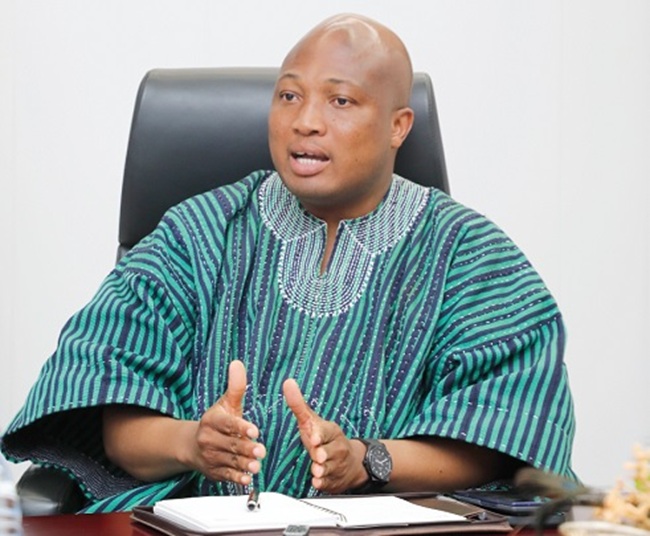
The Government of Ghana has officially begun the relocation of Mr. Emmanuel Asamoah, a Ghanaian national who survived a targeted xenophobic attack by a vigilante group in South Africa. Foreign Affairs Minister Samuel Okudzeto Ablakwa confirmed on April 25, 2026, that the state is taking urgent consular action to move Mr. Asamoah out of South Africa following persistent threats to his life.
This high-profile intervention underscores Ghana’s “Citizen First” foreign policy, which prioritizes the safety of the diaspora during periods of civil unrest. Despite being a legal resident with all required documentation, Mr. Asamoah was singled out by a fringe group, prompting a swift diplomatic response. Minister Ablakwa noted that he has personally spoken with the victim, who is reportedly in stable condition and under state protection while transition arrangements are finalized.
Why is the Government of Ghana relocating Emmanuel Asamoah?
The relocation is a direct response to the “unwarranted and incessant threats” faced by Mr. Asamoah after he was attacked by a vigilante group. While the South African police have provided some reassurance, the Ghanaian government determined that his continued presence in the country posed an unacceptable risk to his life.
Minister Ablakwa emphasized that the decision was not made lightly but was necessary to ensure that “no Ghanaian is abandoned in harm’s way.” The move highlights a shift in how West African nations handle xenophobic flares in the region, moving from mere diplomatic protests to active extraction and relocation. By taking Mr. Asamoah out of the environment where the threats originated, Ghana is demonstrating its commitment to the tangible protection of its citizens, regardless of their legal status or location.
Was Emmanuel Asamoah a legal resident in South Africa?
Yes, official checks conducted by both Ghanaian and South African authorities confirmed that Mr. Emmanuel Asamoah was living and working in South Africa with all the required legal documentation. Minister Ablakwa clarified this point to dispel rumors and emphasize that the attack was entirely unprovoked and not a matter of immigration enforcement.
The fact that a legal resident was targeted by a “fringe vigilante group” has raised serious concerns about the safety of all African migrants in South Africa. It proves that possessing a valid visa or work permit does not always provide a shield against localized xenophobic sentiment. This legal verification was crucial in diplomatic talks, as it placed the responsibility for the attack squarely on the failure of local security to protect a documented foreign national.
How has the South African government responded to the incident?
The South African government, through Minister for Police Prof. Firoz Cachalia, issued a press statement condemning the attack and offering reassurances to the international community. Minister Ablakwa commended the South African authorities for their “constructive engagement” and their willingness to cooperate in ensuring the victim’s safety during the relocation process.
Diplomatic relations between Accra and Pretoria remain a priority, and both nations are working to ensure this isolated incident does not damage broader bilateral ties. The involvement of Prof. Firoz Cachalia indicates that the South African executive branch is treating the rise of vigilante groups as a serious internal security threat. While the Ghanaian government is relocating Mr. Asamoah, they continue to liaise with South African counterparts to secure the thousands of other Ghanaians still residing in the country.
What does this intervention mean for Ghanaians living abroad?
This intervention serves as a clear signal that the Ghanaian state is prepared to use its consular resources to protect its citizens whenever their host country cannot guarantee their safety. It reinforces the message that the Ministry of Foreign Affairs is actively monitoring the “well-being and security” of the diaspora in real-time.
For many Ghanaians in the diaspora, this news provides a sense of security, knowing that the government can and will act in extreme cases. However, it also serves as a reminder of the volatility that can exist in certain regions. The Ministry has urged all Ghanaians abroad to stay in regular contact with their local embassies and to report any threats of violence immediately to both local and Ghanaian authorities.
Factual Insights on the 2026 Xenophobic Incident:
- Relocation Timeline: The relocation process was initiated on April 25, 2026, following a direct call between the Minister and the victim.
- Victim Status: Mr. Emmanuel Asamoah was confirmed as a fully documented, legal resident of South Africa.
- Security Agency Involved: The South African Minister for Police, Prof. Firoz Cachalia, is personally overseeing the police response to vigilante activity.
- Vigilante Groups: The attack was carried out by a “fringe” group, a term used by officials to distinguish them from the broader South African population.
- Diplomatic Channels: TV3 Ghana was the primary broadcast medium used by Minister Ablakwa to first announce the relocation.
- Consular Protection: This incident marks one of the few times Ghana has publicly announced a state-led relocation of a citizen due to xenophobia in 2026.
- Bilateral Trade: Despite the tension, Ghana and South Africa remain key trade partners within the African Continental Free Trade Area (AfCFTA).
What are the next steps for Mr. Emmanuel Asamoah?
Mr. Asamoah is currently being held in a secure location while the final logistics for his departure from South Africa are completed. Once he arrives in Ghana, it is expected that the state will provide initial reintegration support to help him settle back into the country after the trauma of the attack.
Minister Ablakwa has stated that the protection of Ghanaians at home and abroad remains the “utmost priority.” The government will likely continue to monitor the legal proceedings in South Africa regarding the vigilante group to ensure that justice is served. For Mr. Asamoah, the focus is now on a safe return to Accra, leaving behind a period of “incessant threats” for the safety of his home soil.
The story of Emmanuel Asamoah is a powerful testament to the value of a Ghanaian passport. In an era where global migration is fraught with challenges, having a government that actively steps in to extract its people from danger is a significant mark of sovereignty and care.
As the relocation proceeds, the hope is that this incident will lead to even stronger security cooperation between Ghana and South Africa. The “Winning Language” of diplomacy has, in this case, potentially saved a life and reinforced a national promise: no Ghanaian will be left behind.
Do you believe that African governments should more frequently relocate their citizens during periods of xenophobic unrest, or should they focus more on pressuring the host government to provide better security?