

 By Collins Sarkodieh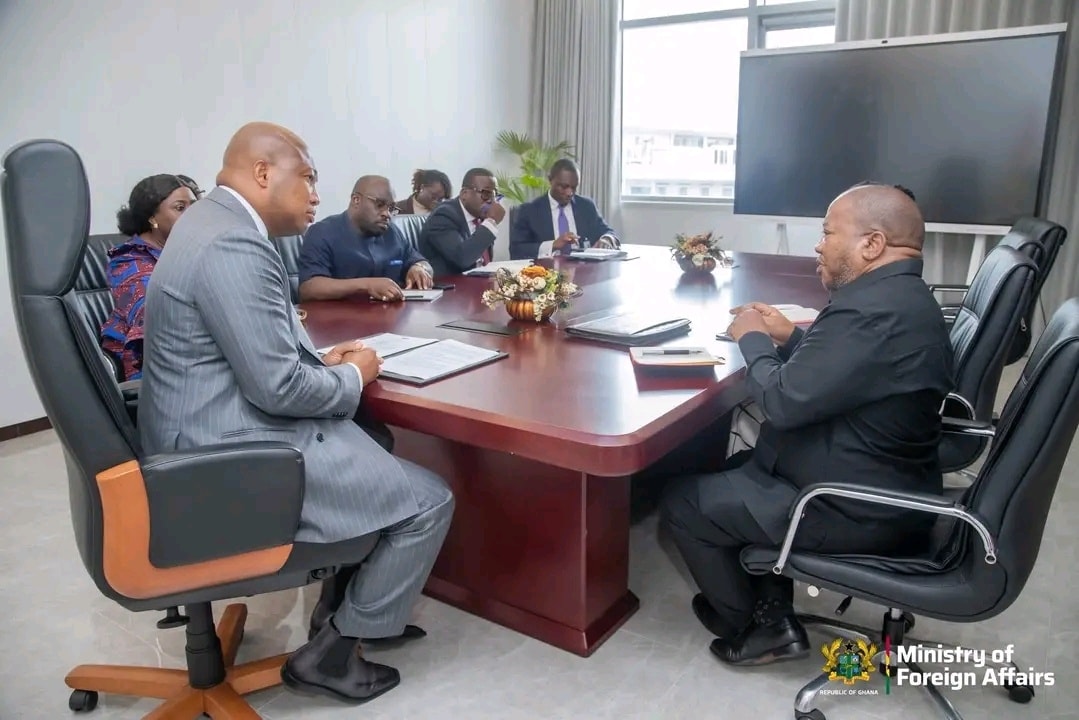
The Government of Ghana has officially summoned South Africa’s Acting High Commissioner, Mr. Thando Dalamba, following a surge in xenophobic violence targeting Ghanaians and other African nationals in South Africa. Foreign Affairs Minister Samuel Okudzeto Ablakwa expressed the nation’s “strong condemnation” and demanded immediate protection for its citizens alongside the swift prosecution of perpetrators to ensure justice and deterrence.
This diplomatic escalation comes in response to viral footage emerging from the KwaZulu-Natal province, specifically Durban, showing the harassment and physical assault of Ghanaians. The timing is particularly sensitive for the Ghanaian government, occurring just as the nation celebrates a significant diplomatic victory at the United Nations. Minister Ablakwa characterized these acts of hatred as a deep betrayal of the historic solidarity Ghana showed South Africa during its anti-apartheid struggle, signaling that “further diplomatic action” is currently on the table if the safety of Ghanaian nationals is not guaranteed.
Why did Ghana’s Foreign Minister summon the South African High Commissioner?
Foreign Minister Samuel Okudzeto Ablakwa summoned Acting High Commissioner Thando Dalamba on April 23, 2026, to formally protest the continuous xenophobic attacks on Ghanaians in South Africa. The move was triggered by disturbing reports of coordinated harassment, including an incident where a Ghanaian man was forcibly ordered out of a Durban hospital and others were beaten at local markets.
The meeting at the Ministry of Foreign Affairs was not just a formality but a stern demand for accountability and the restoration of human rights for all Africans living in South Africa. Minister Ablakwa reminded the South African envoy that Ghana’s support during the apartheid era was rooted in Pan-Africanism, a sentiment that is now being tested by these recurring cycles of violence. By summoning the High Commissioner, Ghana is making it clear that the safety of its diaspora is a non-negotiable priority and that the “quiet diplomacy” of the past may be replaced by more assertive measures if the situation does not improve.
What specific incidents sparked the 2026 diplomatic standoff?
The current tension is driven by viral video clips showing the targeted harassment of Ghanaians in KwaZulu-Natal, which have caused massive public outcry within Ghana. Specific reports include a Ghanaian national being denied medical care at a Durban hospital and violent disruptions at local markets where Ghanaian traders were assaulted and their goods destroyed.
While no deaths have been officially confirmed in this latest wave as of April 24, 2026, the psychological and physical toll on the Ghanaian community in South Africa is immense. These incidents are part of a broader pattern of xenophobic violence that frequently erupts in South Africa, often fueled by local economic frustrations and inflammatory rhetoric. The fact that medical facilities traditionally seen as neutral ground—are becoming sites of harassment has particularly angered the Ghanaian public, leading to increased pressure on the government to act decisively.
How has the South African government responded to Ghana’s demands?
Acting High Commissioner Thando Dalamba assured the Ghanaian government that South African authorities are monitoring the situation and remain committed to holding the perpetrators accountable. He emphasized that the South African government does not condone xenophobia and is working to identify those seen in the viral videos to face the full rigors of the law.
Despite these assurances, the Ghanaian Ministry of Foreign Affairs remains skeptical, given the historical lack of convictions following previous xenophobic outbreaks. Minister Ablakwa reiterated that Ghana expects “expedited investigations” and not just verbal promises of action. The South African mission in Accra is now under significant scrutiny, as the Ghanaian government has hinted that it is communicating “other steps” in due course, which could range from travel advisories to more formal sanctions within the African Union framework.
Why is the timing of these attacks considered a “betrayal” of history?
Minister Ablakwa explicitly described the attacks as a betrayal because Ghana was the first sub-Saharan African country to gain independence and played a leading role in funding and supporting the African National Congress (ANC) during the fight against apartheid. Many South African leaders, including Nelson Mandela, found refuge and political support in Accra during their years of struggle.
To see the descendants of those who fought for liberation now targeting their “liberators” creates a profound sense of irony and anger. This historical context is a major pillar of Ghana’s foreign policy, and the current violence is viewed as a rejection of the Pan-African values that both nations claim to uphold. The sentiment among many Ghanaians today is that the “Rainbow Nation” is failing to honor the very brothers and sisters who helped it gain its freedom, leading to calls for a total reassessment of bilateral relations.
What does this xenophobic violence mean for the 2026 United Nations victory?
The Foreign Minister expressed deep regret that these acts of hatred are occurring at a moment when Ghana has secured a “significant victory” at the United Nations. This UN milestone was intended to showcase African leadership and unity on the global stage, but the internal strife in South Africa undermines this collective progress.
When African nations are at odds on the ground, it weakens their bargaining power in international forums like the UN Security Council or the World Trade Organization. The “acts of hatred” mentioned by the Minister serve as a distraction from the developmental goals the continent is trying to achieve. For Ghana, the contrast between global diplomatic success and regional human rights violations is a stark reminder that true Pan-Africanism requires more than just high-level treaties; it requires the safety and dignity of every African on African soil.
Also Read: Ghana Engages South Africa Over Xenophobic Attacks: What It Means for Citizens and Diplomacy
Are there calls for reciprocity or retaliation in Ghana?
The rising tensions have stirred significant calls for “reciprocity” within Ghana, with some citizen groups suggesting that South African businesses in Ghana should face similar scrutiny. However, the Ghanaian government has urged for calm, emphasizing that the rule of law must prevail and that retaliatory violence is not the solution to the crisis.
Economic experts point out that South African companies like MTN, Multichoice, and Shoprite have massive investments in Ghana, and any form of “tit-for-tat” aggression would be detrimental to the Ghanaian economy as well. The government’s strategy is to use “diplomatic leverage” and international pressure rather than encouraging street-level retaliation. By maintaining the moral high ground, Ghana aims to force the South African government to take its internal policing more seriously without jeopardizing the stability of the West African sub-region.
What “other steps” might the Ghanaian Ministry of Foreign Affairs take?
Beyond the initial summoning of the High Commissioner, the Ministry of Foreign Affairs is considering a range of diplomatic escalations, including the recall of its own envoy for consultations and a formal petition to the African Union (AU). The government is also looking into providing emergency logistical support for Ghanaians who may wish to return home voluntarily.
These “other steps” are intended to move the conversation from bilateral complaints to a continental human rights issue. If South Africa is perceived as being unable or unwilling to protect foreign nationals, it risks losing its status as a preferred investment destination in Africa. Ghana’s proactive stance is likely to encourage other West African nations, such as Nigeria, to join a coordinated diplomatic front, putting unprecedented pressure on Pretoria to implement permanent solutions to xenophobic sentiment.
Factual Insights for Diplomatic Trust:
- Summoning Date: The official meeting between Samuel Okudzeto Ablakwa and Thando Dalamba occurred on April 23, 2026.
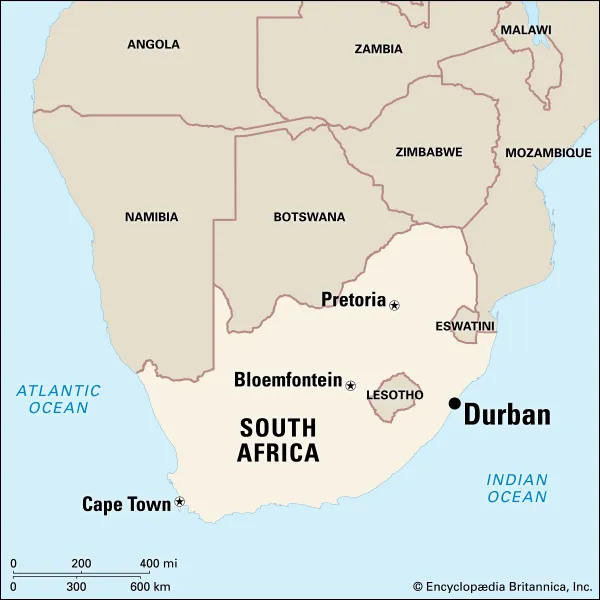
- Geographic Focus: The most recent surge of attacks is concentrated in KwaZulu-Natal, specifically the city of Durban.
- Historical Link: Ghana was a primary backer of the anti-apartheid movement, providing passports and financial aid to ANC leaders in the 1960s.
- Diplomatic Status: Samuel Okudzeto Ablakwa currently serves as the Foreign Affairs Minister (in this 2026 context).
- Injury Reports: While severe beatings and harassment were documented in viral clips, no deaths have been officially reported as of late April 2026.
- Economic Ties: South African investment in Ghana is valued in billions of dollars, making diplomatic stability essential for both economies.
- UN Context: Ghana’s recent UN victory refers to its leadership role in a major international resolution or committee seat secured earlier in the year.
How can Ghanaians in South Africa protect themselves right now?
The Ministry has advised Ghanaians living in South Africa to remain vigilant, avoid high-tension areas in Durban, and keep their identity documents close at hand. They are also encouraged to register with the Ghanaian High Commission in Pretoria to receive real-time security alerts and emergency assistance.
In a digital age, documenting any harassment via mobile phone is encouraged, provided it does not put the individual in further danger. This evidence is crucial for the “promised investigations” that the South African government has committed to. The goal is to create a digital trail of accountability that cannot be ignored by the South African Police Service (SAPS). If a national feels their life is in immediate danger, they are urged to contact the High Commission’s emergency hotline immediately.
Why does xenophobia in South Africa remain a recurring problem?
Xenophobia in South Africa is often driven by a combination of high local unemployment (estimated at over 30%), the “scapegoating” of foreign nationals for lack of service delivery, and historical isolation. Many local communities perceive foreign Africans as competitors for low-skilled jobs and resources, leading to periodic “outbreaks of frustration” that manifest as violence.
Political analysts argue that unless the South African government addresses the underlying socio-economic triggers, diplomatic summons will only offer temporary relief. There is a need for a massive “de-stigmatization” campaign within South African schools and communities to remind citizens of the continent’s shared history. Until then, nations like Ghana will be forced to keep their “diplomatic hammers” ready to protect their citizens from being used as pawns in South Africa’s domestic struggles.
The Government of Ghana remains committed to ensuring that the rights and dignity of its citizens are respected across the globe. The summoning of the South African High Commissioner is a significant first step in what appears to be a broader strategy to demand a “Decisive Action” against hatred on the continent.
As the Ministry continues to monitor the situation, the Ghanaian public is urged to remain calm and support the official diplomatic channels. Pan-Africanism is a two-way street, and the events of April 2026 have reminded us all that the journey toward a truly unified Africa still faces significant roadblocks that can only be cleared with justice, accountability, and mutual respect.
Also Read: Diplomacy in Action: Ghana Secures Safety of Citizens Following South Africa Xenophobia Concerns
Do you believe that African nations should implement economic sanctions against countries that fail to protect fellow Africans from xenophobic violence?