

 By Aaron Hammond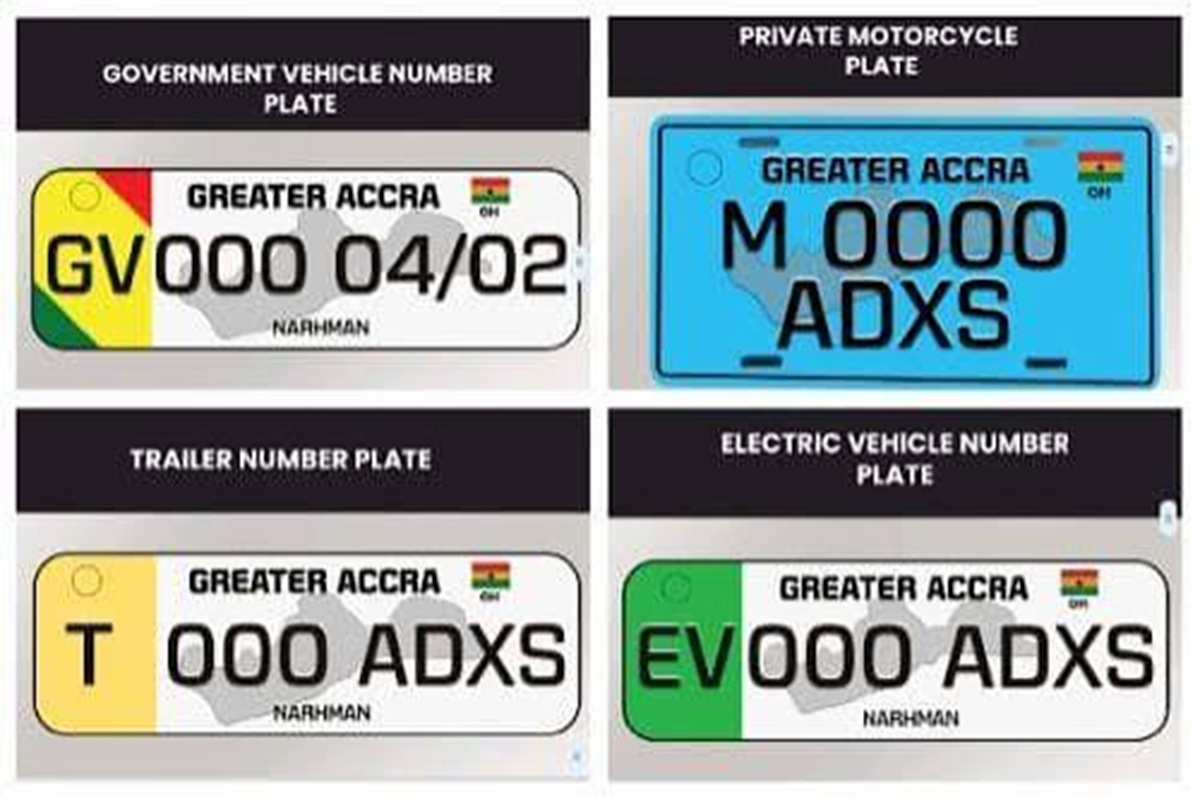
Alright, Ghanaian drivers, we have some major news! The Driver and Vehicle Licensing Authority (DVLA) is bringing a fresh update to our roads with the launch of a brand-new digital number plate system. Let’s break down exactly what this means for you in simple terms.
If you own a car in Ghana, get ready for an upgrade! The DVLA has set a two-year goal, from January 1, 2027, to December 31, 2028, to change all vehicle number plates across the country.
Read Also: WAEC Explains Why Hundreds of 2026 BECE Results Were Cancelled
But hold on, the action starts even sooner. The pilot phase kicks off right now, starting with government vehicles on August 1, 2026, followed by all unregistered vehicles on September 1, 2026.
What’s New With the Plates?
These aren’t your regular old number plates. The new DVLA license plates are getting a serious tech boost. The old practice of placing the registration year at the end of the plate is gone.
Instead, the new design will feature a regional identifier at the top and a specific area code at the end. For example, a plate might read “GR 222 AD,” where “AD” represents Adenta. This makes tracing a vehicle to a specific location much easier.
Even cooler? The new plates will contain Radio Frequency Identification (RFID) chips. This allows enforcement agencies, like the police, to instantly verify your vehicle digitally.
Why the Big Change?
You might be thinking, “Why is DVLA making us do this?” Well, there is logic behind the move.
The CEO of DVLA, Julius Neequaye Kotey, explained that this new system is all about modernization and security. It will stop revenue leakages and help integrate the vehicle database with other critical agencies, such as the Ghana Highway Authority toll system and the National Insurance Commission (NIC).
Most importantly, it will make tracking stolen vehicles or those involved in crimes significantly faster for the Ghana Police Service and EOCO.
What Do You Need to Do?
If your car was registered before 2023, you need to make sure your vehicle details are migrated from the old manual system to the DVLA’s digital platform.
This “onboarding” process proves you have paid your taxes, legally own the vehicle, and are ready for the new plates. If you skip this, you won’t be able to get your new registration card or participate in the re-registration exercise, and you could face sanctions for violating road traffic laws.
So, don’t wait until the last minute! Get your documents in order and get ready for the new era of driving in Ghana.