

 By Collins Sarkodieh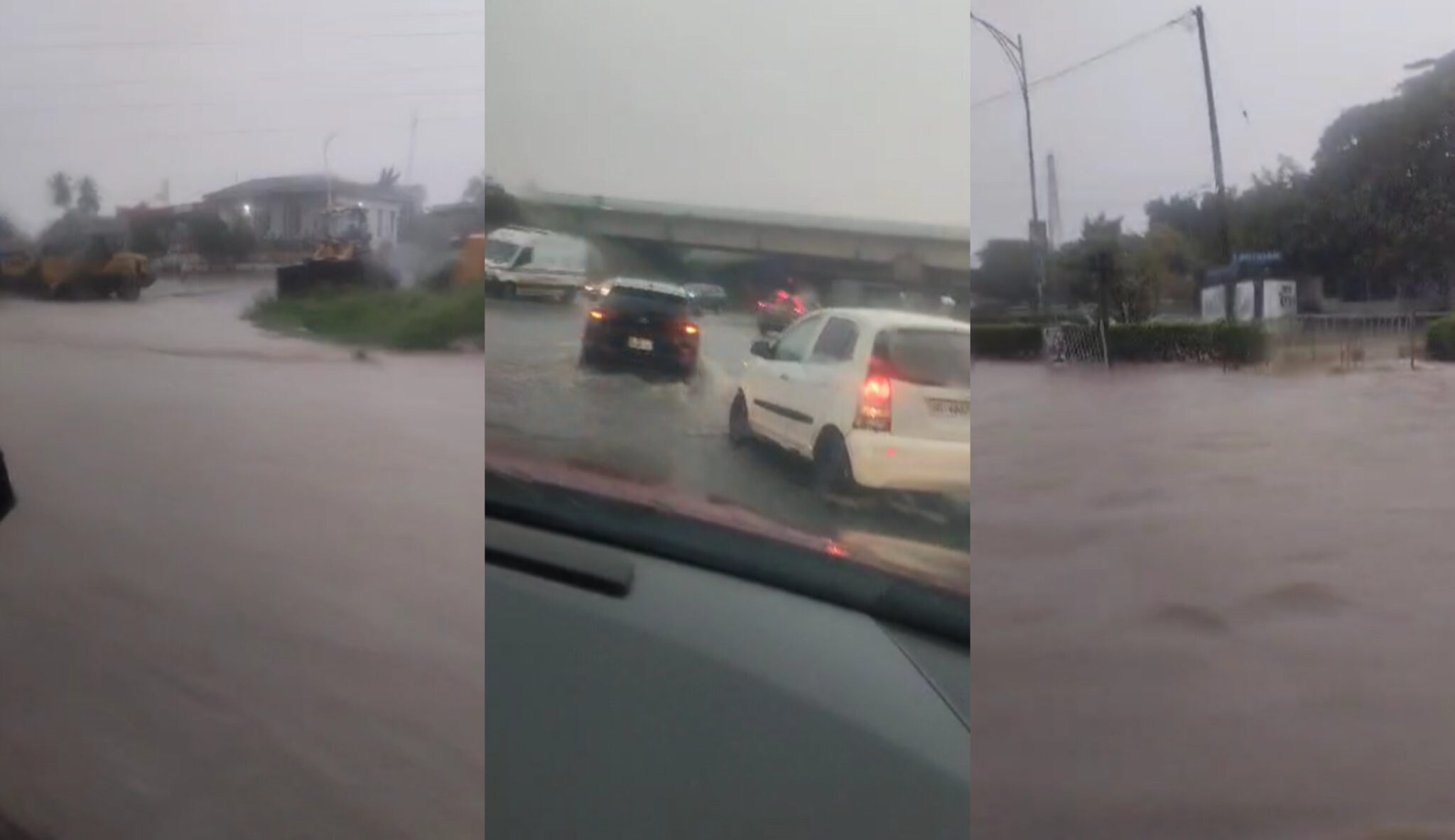
Commuting across the capital turned into an absolute nightmare as torrential rains paralyzed major economic corridors. The heavy downpour, which began late on Sunday, June 28, and intensified into Monday morning, June 29, 2026, left several key arterial roads completely impassable.
The early morning rush hour saw massive traffic gridlocks build up as floodwaters quickly rose above vehicle levels. Multiple drivers had no choice but to abandon their cars in the middle of submerged streets to seek safety on foot.
Major Transport Routes and Residential Communities Hardest Hit
The flash floods severely impacted critical low-lying communities and highway junctions across the metropolis. Submerged sections brought traffic to a standstill along the N1 Highway, particularly around the Fiesta Royale Hotel stretch.
Commuters also reported dangerous water levels at Kaneshie, Adabraka, the Kwame Nkrumah Interchange, Weija, and the Mallam to Kasoa highway. In newly developed enclaves like Tse Addo, the overflowing Kpeshie Lagoon flooded local shops and houses, forcing residents to scramble to salvage their merchandise.
The human toll of the severe weather prompted immediate crisis intervention from national security bodies. In areas like Alajo, Achimota, and Afienya, neighbors and emergency teams had to wade through deep waters to rescue families trapped inside waterlogged structures.
The Ghana National Fire Service sadly confirmed four fatalities from separate incidents, including a woman and her child at Achimota Alogboshie. Additionally, emergency power shutdowns were executed at the Mallam and Achimota substations as a safety precaution, plunging thousands of flooded homes into temporary darkness.
With weather conditions remaining highly unsettled, the Ministry of the Interior has issued an urgent public safety advisory to prevent further loss of lives. State officials are strongly ordering citizens already in secure locations to stay indoors and avoid unnecessary travels.
Motorists are explicitly warned to never attempt to drive or walk through moving water, as currents can be deeper and faster than they appear. The state encourages the public to disconnect domestic electrical appliances immediately if water enters their rooms and to dial 112 for urgent emergency assistance.
Also Read: Presidency Issues Urgent Public Safety Alert and Orders Citizens to Stay Indoors During Floods