

 By Emmanuel Fletcher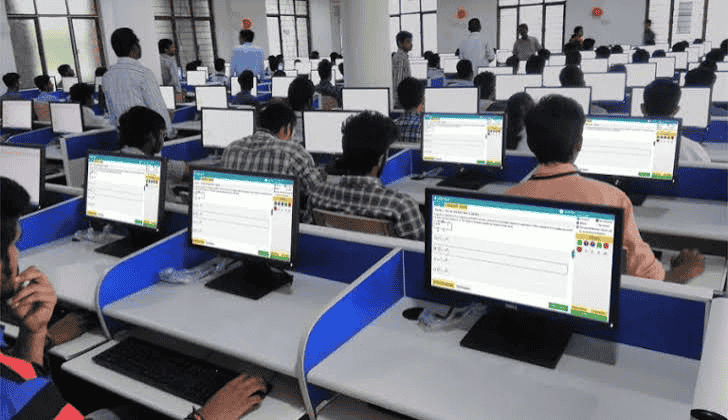
Education stakeholders in Jos, Plateau State, have expressed strong optimism that the transition to Computer-Based Testing (CBT) by major examination bodies will significantly reduce examination malpractice across Nigeria.
Teachers and academic heads believe that adopting computer-based examinations for public assessments conducted by the West African Examinations Council (WAEC) and the National Examinations Council (NECO) will drastically curb organized cheating and dismantle the operations of so-called “miracle centres”.
Speaking in separate interviews in Jos, educators emphasized that while technology introduces essential security layers, the ultimate success of the CBT initiative depends on strict enforcement, effective supervision, and high moral integrity among exam invigilators.
Why Students Turn To Malpractice In Public Exams
Examination malpractice remains one of the most stubborn challenges confronting Nigeria’s education system. The proliferation of illegal operators running “miracle centres” promises desperate candidates guaranteed high scores through fraudulent means.
Mr. Ugochukwu Amadi, Head of Biology at Command Secondary School in Jos, identified student laziness and academic desperation as major drivers of this problem.
He explained that when malpractice appears like an easy shortcut, many students abandon regular study habits, preferring to buy fake certificates rather than acquire real knowledge.
In addition, Mr. Akande John, Head of Science at Learning Field International Academy in Jos, noted that the intense fear of failure and the social stigma attached to poor academic performance push many young people into exam fraud.
How Computer-Based Testing Blocks Cheating Channels
Education experts point out that CBT technology addresses the primary vulnerabilities of traditional paper-based examinations.
Key technological protections built into the CBT framework include:
- Biometric Authentication: Verifies student identities digitally at the door to stop impersonation and proxy test-takers completely.
- Question Randomization: Rearranges question orders and options so that no two adjacent candidates answer identical questions at the same time.
- Automated Time Limits: Enforces strict countdown timers for each section, preventing candidates from delaying or seeking unauthorized help.
- Zero Paper Leakages: Eliminates physical question paper distribution, closing the gap where leakages usually occur before exam day.
Mr. Amadi emphasized that eliminating physical paper leakages and automating question shuffling makes it exceptionally difficult for organized cheating syndicates to operate effectively.
Technology Alone Cannot Fix Moral Shortfalls
Despite the strong digital security offered by CBT, stakeholders in Jos warn against viewing technology as a total cure-all.
Mr. Amadi stressed that human factors, including supervisor integrity and teacher welfare, play an equally vital role in keeping examinations clean. He called for stiffer legal sanctions against convicted offenders and better working conditions for educators to resist monetary temptation.
To maximize security, Mr. John recommended distributing candidates from the same secondary school across different CBT testing centers. He also advocated for installing active surveillance cameras (CCTV) inside test halls to strengthen invigilation and deter misconduct.
Stakeholders concluded by calling on parents, school administrators, and examination boards to work together to restore academic integrity, ensuring that future certificates reflect true competence and hard work.
Also Read: CTVET Launches Maiden Harmonised TVET Exams for 61,506 Candidates in 2026
Source: realnewsmagazine.net