

 By Zobia Zulfqar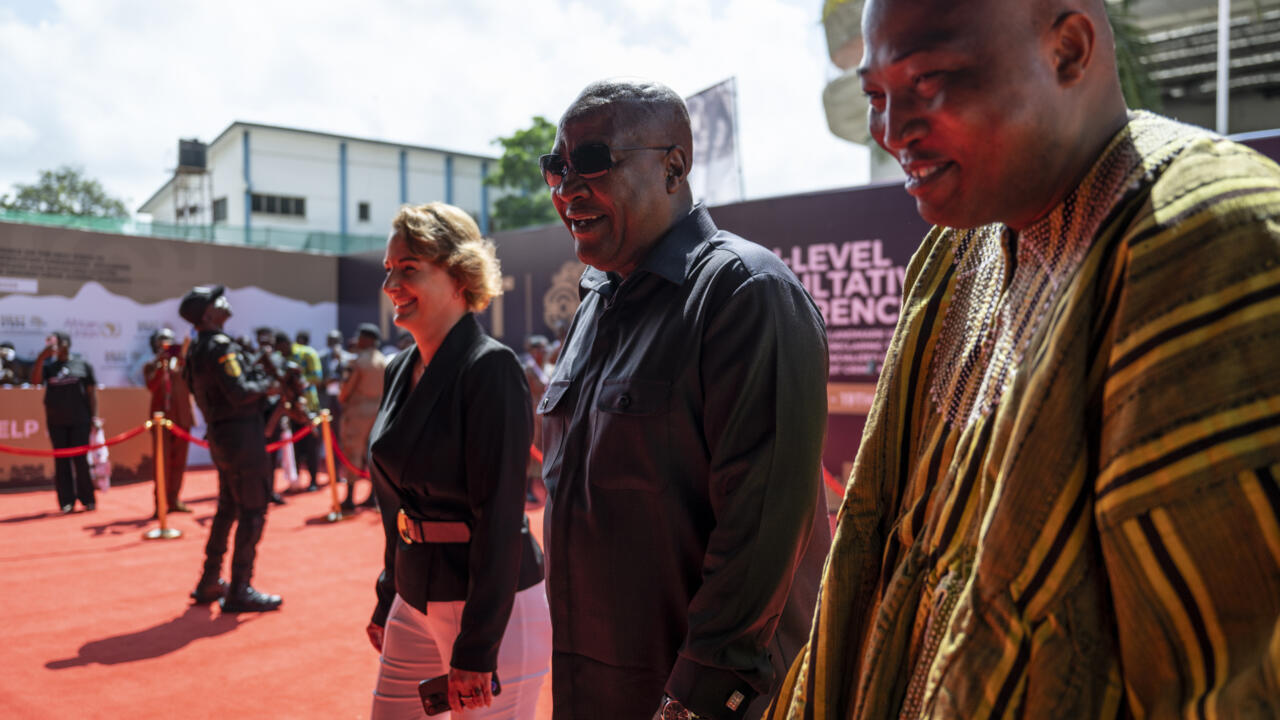
Ghana has taken a leading role in the global movement for slavery reparations by hosting a landmark international conference aimed at transforming growing political support into concrete action.
The conference, held in Accra, brought together heads of state, policymakers, academics, activists, and representatives from Africa, the Caribbean, and the wider African diaspora to discuss practical pathways toward reparatory justice for the transatlantic slave trade.
The gathering comes just months after the United Nations General Assembly adopted a historic resolution recognizing the transatlantic slave trade as “the gravest crime against humanity.” The resolution, championed by Ghana and supported by 123 UN member states, marked the strongest international endorsement yet of calls for reparations.
Speaking at the conference, Ghana’s Foreign Affairs Minister, Samuel Okudzeto Ablakwa, said the movement for reparatory justice has gained unprecedented momentum since the adoption of the UN resolution in March.
According to him, the resolution goes beyond acknowledging historical injustices by encouraging nations and institutions connected to slavery to engage in meaningful discussions around restitution and compensation.
“We won the battle against slavery, we won the battle against colonialism, we won the battle against apartheid, and we are confident that we shall win the battle against reparatory injustice,” Ablakwa told delegates.
The three-day conference featured participation from leaders of Barbados, Liberia, Namibia, Senegal, and Sierra Leone, alongside prominent scholars and advocates, including Nigerian Nobel laureate Wole Soyinka.
President John Dramani Mahama used the occasion to announce the establishment of three specialized panels designed to advance the reparations agenda. The first will consist of current and former heads of state who will provide strategic guidance. The second will bring together experts to examine restitution mechanisms, while the third will focus on the legal dimensions of reparatory justice.
“The question before us is not whether history can be changed—it cannot—but whether we have the courage to confront it honestly and the determination to turn recognition into meaningful action,” President Mahama said.
The conference also highlighted growing international engagement with the reparations debate. French President Emmanuel Macron, speaking via video link, supported continued discussions on reparations while emphasizing that history should not be viewed solely through a financial lens.
Meanwhile, Pope Leo XIV recently issued an apology for the Catholic Church’s historical failure to condemn slavery, describing it as a lasting wound in Christian memory.
Delegates stressed that reparations should extend beyond symbolic gestures. Wole Soyinka argued that true reparatory justice must include the restoration of dignity, historical truth, and cultural identity that were stripped away through centuries of enslavement and exploitation.
“It is not merely about apology or compensation—it is about the rehumanisation of memory and the restoration of values distorted by centuries of dehumanisation,” Soyinka stated.
Participants also discussed practical forms of reparations, including compensation funds for affected communities, debt relief, educational initiatives, investment programs, and the return of looted cultural artifacts.
Ghana has increasingly positioned itself as a center for reconnecting the African diaspora with the continent. In recent years, the country has granted citizenship to more than 1,000 members of the diaspora as part of broader efforts to promote healing and reconciliation.
Addressing delegates, Ablakwa said Ghana is transforming from a historic center of the slave trade into a place of remembrance, healing, and justice.
The conference concluded with renewed calls for governments, institutions, and international organizations to move beyond recognition and begin implementing practical measures that address the enduring consequences of slavery and colonial exploitation.
Source: Africanews / AFP