

 By Aaron Hammond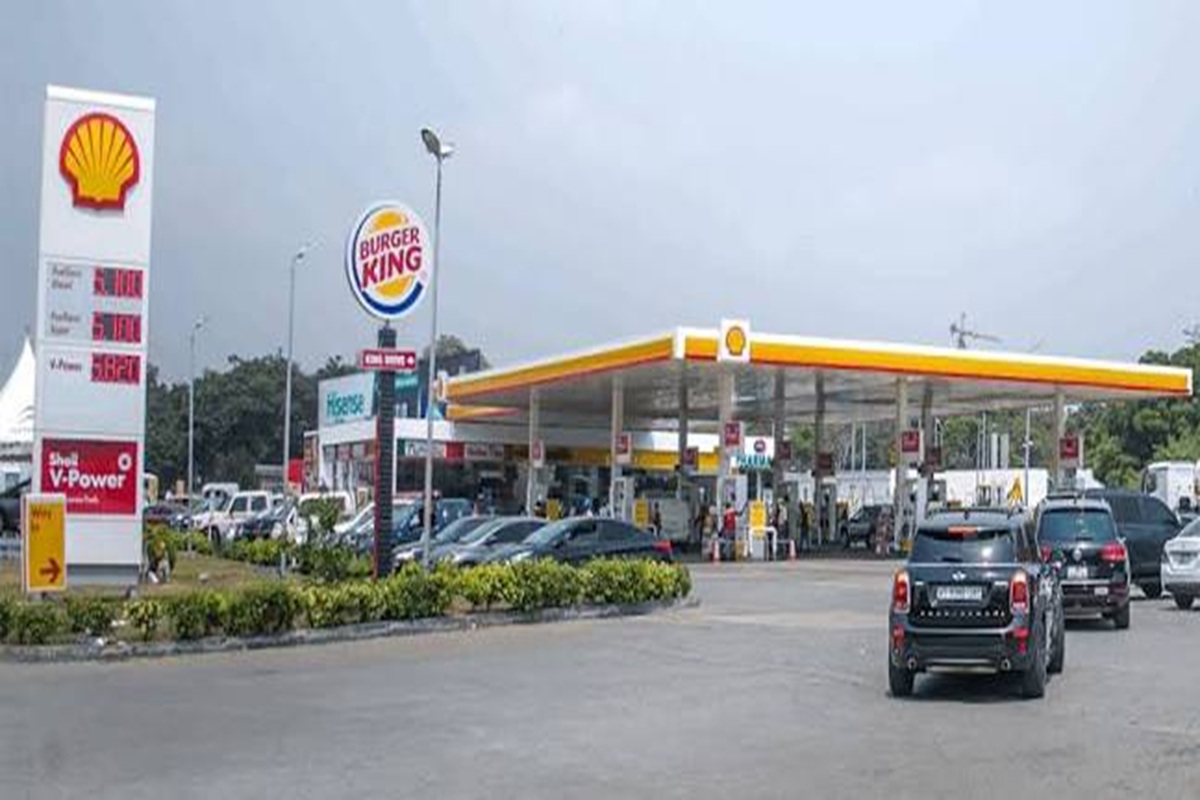
Starting today, August 1, 2026, motorists across Ghana are facing a harsh reality—higher costs at the pumps. The Chamber of Oil Marketing Companies (COMAC) has dropped the bombshell: a projected 7.58% increase in petrol prices and a steeper 12.50% jump for diesel. This means a litre of petrol is expected to hit about GH¢15.23, while diesel will likely climb to approximately GH¢17.45 per litre. Liquefied Petroleum Gas (LPG) isn’t left out; it’s projected to increase by 4.13%, settling around GH¢16.40 per kilogram.
Also Read: Road Tolls Bounce Back: Ghana Parliament Gives the Green Light!
The Blame Game: Global Chaos and the Cedi
So, who is the culprit this time? According to COMAC and industry experts like the Chamber of Petroleum Consumers (COPEC), it is a double whammy. First, global crude oil prices have surged—jumping over 23% from around $71.90 to $88.62 per barrel. This spike is fueled by escalating geopolitical tensions, particularly the ongoing US-Iran conflict and concerns over supply disruptions in the Strait of Hormuz.
Second, the Ghana Cedi hasn’t been flexing its muscles. A slight depreciation against the US dollar (weakening from GH¢11.50 to GH¢11.66) has made importing these essential products more expensive. When global markets sneeze, our pockets catch a cold!
The Ripple Effect: Beyond the Pump
This fuel price increase in August 2026 isn’t just about paying more to fill your tank; it’s a domino effect waiting to happen. The National Petroleum Authority (NPA) has already set new, higher price floors, meaning fuel stations can’t legally sell below these new minimums, regardless of competition.
Higher fuel costs inevitably lead to increased transportation and production costs. We could soon hear calls for transport fare hikes from groups like the Ghana Private Road Transport Union (GPRTU), adding more pressure to households already dealing with inflation.
Surviving the Surge
While we can’t control global crude oil prices or the Cedi’s performance, we can adjust. Carpooling, optimizing delivery routes for businesses, and perhaps holding off on unnecessary trips might be the smart moves for now. The reality is here, and adapting is our best bet to weather this storm.