

 By Aaron Hammond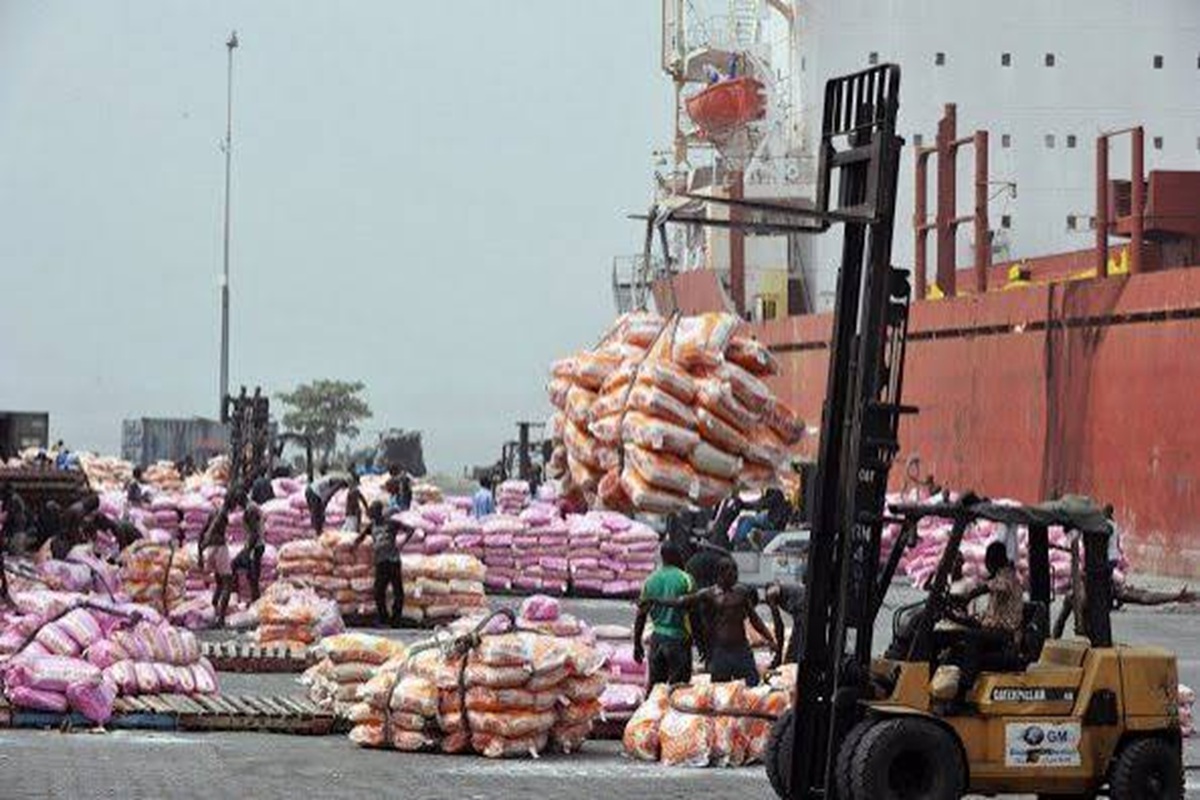
Ghana is known for its fertile lands and hardworking farmers, but something surprising is happening on our dinner plates. Despite having everything we need to grow our own food, the country spent an eye-watering GH¢36.5 billion importing food products in 2025.
Let that sink in for a moment. That is a massive chunk of money leaving our shores just to feed ourselves! So, what exactly are we spending all these billions on? Let’s break it down in simple terms.
What Are We Importing the Most?
When you look at the figures, three main items are draining our pockets: cereal grains, frozen chicken, and animal products. According to the Ghana Statistical Service, these imports make up a huge part of the country’s food bill.
Here is a quick breakdown of the top imports:
- Cereal Grains: We spent GH¢2.94 billion just on processed cereals. This was the largest food import for the year.
- Frozen Chicken: Next on the list is frozen chicken. Ghanaians love their chicken, but GH¢2.84 billion went toward buying it from abroad.
- Rice: Rice appeared twice on the top imports list! We spent GH¢2.39 billion on milled rice and another GH¢1.19 billion on broken rice.
- Animal Products: Animal guts, bladders, and stomachs (the famous yemuadie) cost us GH¢2.72 billion.
Together, these top imports accounted for 30% of the entire GH¢36.5 billion bill.
Read Also: SA Says “No” to Ghana’s AU Xenophobia Spotlight!
Why Can’t We Grow Our Own?
You might be asking, “Why are we importing so much when we have the land?” It’s a valid question. The truth is, our local agricultural sector is facing some tough challenges.
Many experts point to weak mechanisation, inconsistent rainfall, and land degradation as key issues. Plus, as more people move to the cities, the demand for processed and imported foods goes up.
There is also the issue of trade. Sometimes, it is simply cheaper to import foreign food products because of low import duties, which makes it hard for local farmers to compete.
The Push for Local Farming
The good news is that we are not entirely helpless. While we are spending heavily on imports, Ghana is also earning money by exporting cocoa products, cashew nuts, and shea butter.
But to truly fix this, we need stronger domestic production. The focus must be on agro-processing and adding value to our own crops. If that GH¢36.5 billion was invested back into our local farmers, imagine the jobs it would create for the youth!
It is time to start eating what we grow and growing what we eat.