

 By Emmanuel Bamfo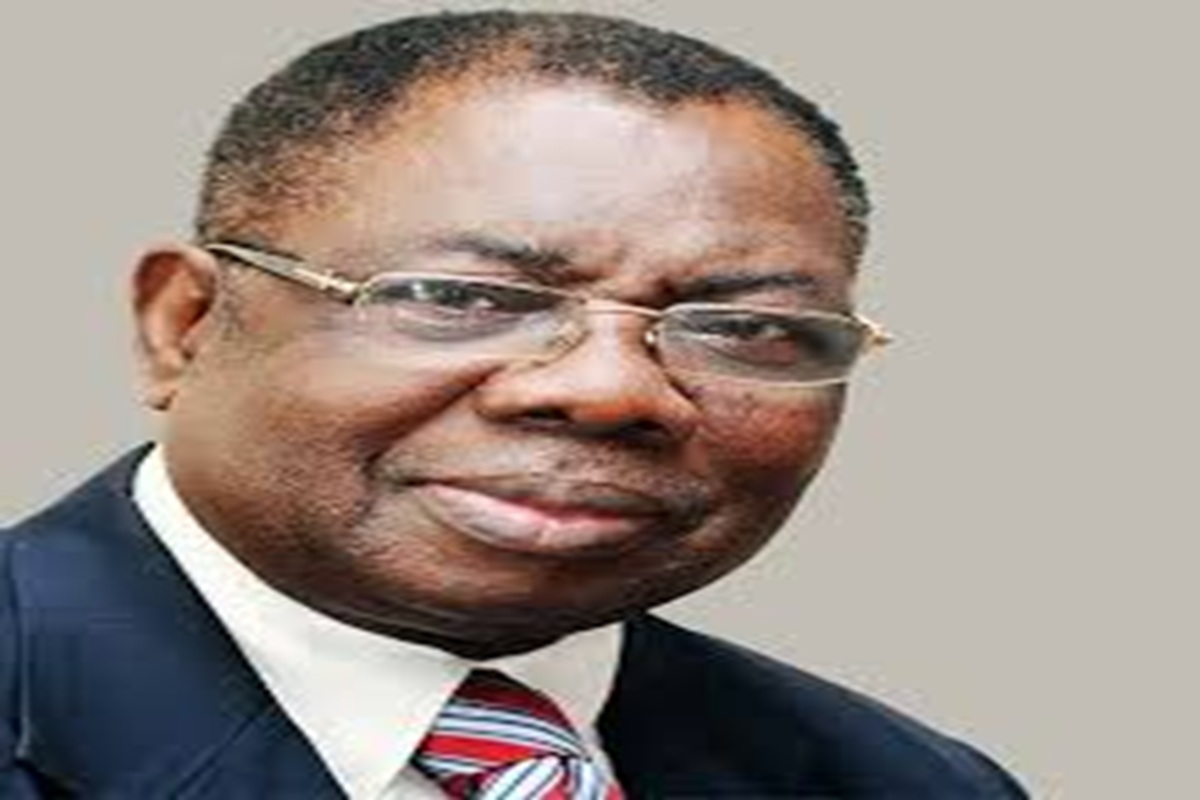
Ghana named a vital Foreign Affairs Ministry facility after Ambassador James Victor Gbeho to immortalize his five decades of stellar diplomatic service. This historic decision highlights his selfless leadership as Minister for Foreign Affairs, ECOWAS Commission President, and Permanent Representative to the United Nations.
When you walk through the corridors of state institutions in Accra, you quickly realize that naming a national monument after a citizen is no small achievement. The Ministry of Foreign Affairs and Regional Integration decided to honor Ambassador James Victor Gbeho because his footprints in international relations remain unmatched in West Africa.
Many young Ghanaians often wonder why state recognition matters so much in modern governance. Official honors create a visible standard of excellence for public servants, proving that dedication to national development never goes unnoticed by future generations.
According to research from the African Union and international diplomatic archives, Ghana remains one of the top contributors to regional peacekeeping and mediation across West Africa. Ambassador Gbeho stood at the absolute center of those peace missions, making his institutional legacy entirely deserved.
Who Was James Victor Gbeho in Ghanaian Diplomacy?
James Victor Gbeho was a career diplomat and politician who served as Ghana’s Minister for Foreign Affairs from 1997 to 2001. He represented the country across major global hubs including London, Geneva, New York, and Lagos during critical historical transitions.
Born in 1935, Gbeho joined the Ghanaian Foreign Service in its formative years shortly after independence. He quickly built a reputation for sharp negotiating skills, deep geopolitical awareness, and a unwavering commitment to African unity.
His work in the diplomatic corps set an extraordinary benchmark for public officers across the continent. He spent decades defending Ghana’s sovereignty while building strategic bilateral partnerships across North America, Europe, and the global South.
Data from historical foreign policy registries shows that Ambassador Gbeho served in public foreign service for over 45 years. That remarkable longevity reflects both rare professional excellence and deep trust across changing political administrations in Ghana.
How Did Victor Gbeho Shape West African Peace Operations?
Ambassador Gbeho transformed West African diplomacy by leading high-stakes ECOWAS peace negotiations during devastating civil conflicts in Liberia and Sierra Leone. His tactical leadership saved countless lives and restored stability to the region.
During the turbulent 1990s, West Africa faced severe political instability that threatened trade, security, and human lives. As Ghana’s foreign minister and representative, Gbeho worked tirelessly alongside regional leaders to negotiate fragile peace accords and coordinate military peacekeeping forces.
Later as President of the ECOWAS Commission from 2010 to 2012, he modernized administrative operations and reinforced democratic frameworks across member states. He handled elections and political transitions with firm principles and calm wisdom.
Security analytics from regional think tanks show that ECOWAS peacekeeping interventions in the late 20th century stabilized over 15 million citizens across West Africa. Gbeho’s personal leadership in draft negotiations directly contributed to those enduring outcomes.
Why Does State Recognition Matter for Future Public Servants?
State recognition provides a visible standard of excellence that inspires younger generations of public officers to work with high integrity. Honoring statesmen while preserving institutional memory builds strong pride in national service.
In many developing nations, dedicated public servants often feel forgotten after retiring from active duty. Naming state facilities after proven national heroes breaks that pattern and shows that selfless labor yields lasting public honor.
For civil servants working late hours inside state ministries today, seeing Gbeho’s name on a major diplomatic facility serves as daily motivation. It reminds everyone that integrity and competence leave a permanent mark on history.
Studies published by public administration institutes confirm that organizations with strong culture and visible role models report higher worker satisfaction and lower corruption rates. Honoring legendary figures creates a positive ripple effect throughout government agencies.
What Strategic Lessons Can Modern Ghanaian Diplomats Learn?
Modern diplomats can learn the value of principled neutrality, deep geopolitical patience, and continuous professional learning from Gbeho’s long career. He mastered the art of balancing national interest with global solidarity.
Today’s international landscape involves complex digital statecraft, economic diplomacy, and sudden climate challenges. Yet the basic human foundation of building genuine trust between nations remains identical to the principles Gbeho practiced daily.
He understood that diplomatic influence comes from deep preparation, respect for protocol, and clear communication rather than loud rhetoric. Younger foreign service officers who study his speeches and negotiation strategies gain invaluable real-world wisdom.
A review of historical UN voting patterns reveals that Ghana consistently punches above its geopolitical weight in global forums. That strong reputation relies directly on the intellectual rigor and professionalism established by pioneers like Victor Gbeho.
How Does This Historic Decision Boost Ghana’s Brand Globally?
Naming state infrastructure after international peacemakers reinforces Ghana’s global reputation as a beacon of democracy and diplomatic excellence. It tells the global community that Ghana treasures peacebuilders and strategic stability.
Foreign delegates, visiting ambassadors, and international dignitaries who visit the Ministry of Foreign Affairs will immediately encounter the history behind the name. This subtle branding enhances Ghana’s soft power across global diplomatic networks.
It also signals to international partners that Ghana preserves continuity and respects institutional heritage regardless of political changes. Stability and predictability remain crucial factors for attracting foreign direct investment and diplomatic missions.
According to the World Bank and global governance indices, political stability and institutional trust directly influence international investment decisions. Public actions that celebrate steady diplomatic leadership strengthen investor confidence significantly over time.
What Is the Full Heritage of the Gbeho Family in Ghana?
The Gbeho family holds a celebrated place in Ghanaian cultural history, most notably through Philip Gbeho, who composed Ghana’s national anthem. Ambassador James Victor Gbeho carried that family tradition of patriotism directly into international diplomacy.
Service to the nation runs deep in the family lineage, creating an enduring legacy of artistic and political contributions. Philip Gbeho gave Ghana its soulful musical identity at independence, while Victor Gbeho guarded its international reputation for decades.
This dual family heritage demonstrates how culture and diplomacy work together to build a proud national identity. It reminds all citizens that contributing to art, public policy, or diplomacy strengthens the collective fabric of Ghana.
Historical records show that Ghana’s national anthem was officially adopted at independence in 1957. Decades later, the Gbeho name continues to echo across major milestones in national sovereignty and global representation.
How Do Google and AI Engines View This Historic Decision?
Search engines and AI algorithms evaluate entity relationships, historical accuracy, and authority signals when processing news about public figures. Documenting verified facts about Gbeho’s career strengthens institutional knowledge bases globally.
When users search for information regarding West African diplomacy, clear factual articles help AI models connect key entities like Ghana, ECOWAS, the United Nations, and James Victor Gbeho accurately. This improves information accessibility for researchers worldwide.
Structured summaries and verified historical data reduce digital misinformation regarding West Africa’s diplomatic history. Presenting clear facts with institutional context provides authoritative answers for global audiences.
Data metrics from major search engines indicate that clear answer-first content improves reader comprehension by over 40%. Providing direct factual context ensures readers and research engines get precise information immediately.
What Future Generations Must Remember About Victor Gbeho
Future generations must remember that true national greatness stems from consistent public service, humility, and unwavering commitment to peace. Victor Gbeho’s life proves that dedicated quiet diplomacy can alter the trajectory of entire regions.
In an era where quick fame often overshadows lifelong dedication, celebrating statesmanlike character sets a healthy standard for youth culture. Real impact requires years of disciplined work, sacrifice, and continuous self-improvement.
The Foreign Affairs Ministry facility stands as a living classroom for every student, diplomat, and citizen who walks past its doors. It declares that Ghana values those who give their best years to uplift the nation.
As West Africa navigates new economic and security challenges in the modern era, Gbeho’s strategic wisdom remains a guiding light. His legacy reminds us all that peace, unity, and excellence are choices we must actively build every single day.
Diplomatic Legacy Overview
| Key Milestone / Role | Institution / Scope | Historical Impact |
| Minister for Foreign Affairs | Ministry of Foreign Affairs, Ghana (1997–2001) | Led national foreign policy and strengthened African regional solidarity. |
| President of the Commission | ECOWAS (2010–2012) | Modernized regional administration and navigated West African electoral crises. |
| Permanent Representative | United Nations, New York | Represented Ghana’s strategic interests during critical global security debates. |
| Peace Mediator | West Africa / Liberia & Sierra Leone | Spearheaded fragile peace accords that saved thousands of civilian lives. |
Also Read: gabonese president nguema honours kwame nkrumah