

 By Zobia Zulfqar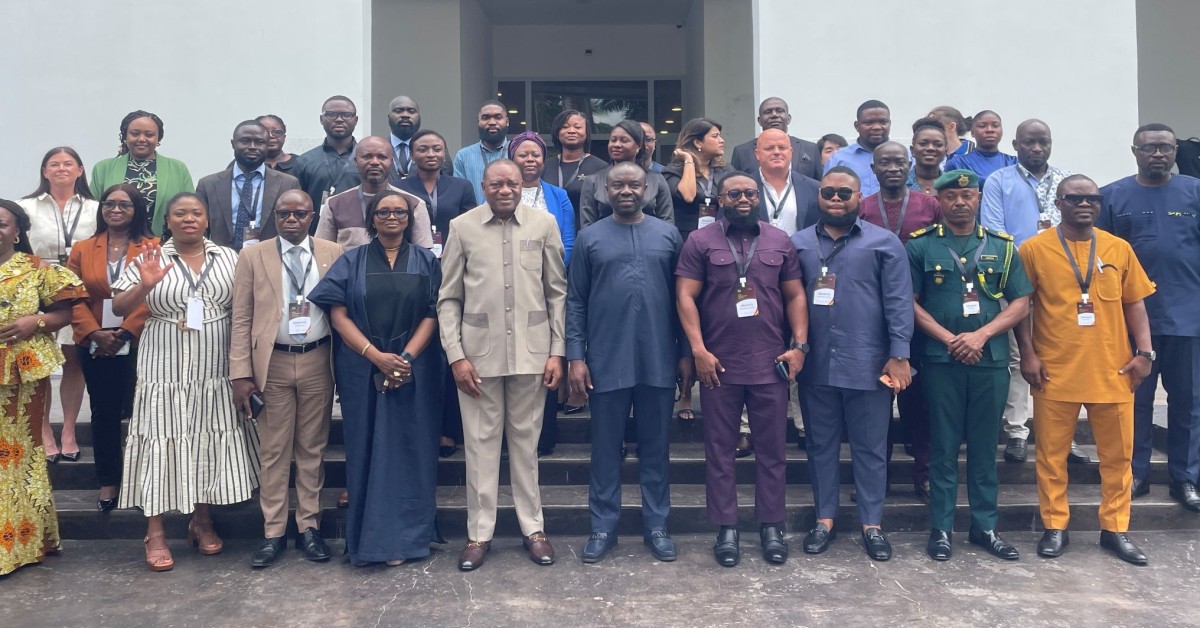
The Ghana Registered Nurses and Midwives Association (GRNMA) has called on the government to prioritize addressing staffing shortages in local healthcare facilities before expanding the deployment of nurses and midwives to foreign countries.
Speaking at the National Dialogue on Global Labour Mobility and Bilateral Labour Arrangements in Accra, GRNMA President Mrs. Perpetual Ofori-Ampofo stressed that Ghana continues to face significant shortages of healthcare professionals, particularly in specialized and critical care services.
The two-day event, organized by the International Organization for Migration (IOM) Ghana, brought together policymakers, development partners, labor experts, and healthcare stakeholders to discuss how international labor mobility can contribute to employment creation, skills development, and economic growth.
Mrs. Ofori-Ampofo noted that although Ghana has approximately 140,000 nurses and midwives, the figure remains insufficient to adequately serve the country’s population of more than 35 million people.
She urged the government to ensure that locally trained healthcare professionals are retained within the national health system and called for stronger engagement with stakeholders before decisions are made regarding international deployment arrangements.
According to her, professional associations are often left out of discussions that directly affect their members, making it difficult to address concerns related to workforce planning and healthcare delivery.
She further emphasized the need for comprehensive retention strategies that would encourage nurses and midwives to remain in Ghana rather than seek opportunities abroad.
“As a country, we must create retention strategies that attract health professionals to stay and contribute to national development rather than opt to leave,” she said.
Mrs. Ofori-Ampofo also highlighted broader systemic challenges within the healthcare sector, urging the government to prioritize investments in health workers, whom she described as the backbone of Ghana’s healthcare system.
Meanwhile, the Minister of Labour, Jobs and Employment, Dr. Abdul-Rashid Pelpuo, reaffirmed the government’s commitment to strengthening the governance of labor mobility through policy, legal, and institutional reforms.
Dr. Pelpuo said the ministry is working toward a framework that protects the rights and welfare of Ghanaian migrant workers while maximizing the benefits of international labor opportunities.
He explained that the government views labor mobility as an important tool for expanding employment opportunities, enhancing skills development, and supporting the country’s broader economic transformation agenda.
“We envision a labor mobility governance regime where the rights of Ghanaian migrant workers abroad are respected and protected,” Dr. Pelpuo said.
The dialogue underscored the growing debate around balancing Ghana’s domestic healthcare needs with increasing international demand for skilled Ghanaian nurses and midwives.
Stakeholders at the event agreed that while labor migration offers economic opportunities, ensuring adequate staffing levels within Ghana’s healthcare system remains critical to maintaining quality healthcare services for citizens.
Also Read: Thomas Partey Denied Canada Entry and Will Miss World Cup Opener Against Panama