

 By Ishmeal
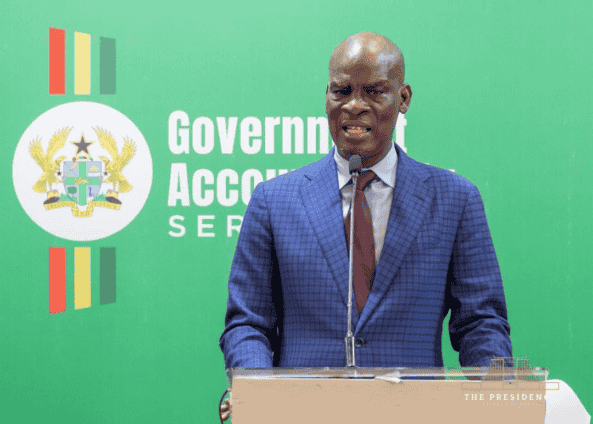
Education Minister Haruna Iddrisu has announced plans to make joint and double-degree programmes a key part of Ghana’s higher education system, allowing students to study in Ghana and at partner universities abroad.
The initiative forms part of the government’s transnational education policy, which seeks to expand access to international academic opportunities while strengthening Ghanaian universities.
Speaking at the Study in Europe Fair 2026, Mr Iddrisu explained that students could complete some semesters at a Ghanaian university, continue their studies at a partner institution overseas and return to Ghana to complete their programmes.
For example, a student could spend one or two semesters at the University of Ghana, undertake another two or three semesters at a foreign partner university and return home for the final semester before graduating.
What are joint and double degrees?
Under the proposed arrangement, students could benefit from two forms of international academic collaboration.
A joint degree is a qualification awarded together by two or more universities involved in the programme. A double degree, on the other hand, generally allows a student to receive separate qualifications from the participating institutions.
The arrangement would give Ghanaian students international academic exposure while allowing them to maintain their connection with local universities.
Mr Iddrisu said the Ministry recognises that relying only on traditional study-abroad opportunities cannot fully meet the educational needs of Ghana’s growing youth population.
He described transnational education as a core policy priority, with joint and double-degree programmes expected to support the government’s wider higher education agenda.
Government seeks to widen access to international education
The initiative is also intended to make international academic opportunities more accessible to students who may not have the financial means to relocate overseas for an entire degree programme.
By working with foreign universities, Ghanaian institutions could create pathways for students to experience different academic environments without having to complete all their studies outside the country.
The Education Minister identified access, quality and relevance as important pillars of the government’s higher education vision.
He also highlighted the need to address the challenge of brain drain while ensuring that international academic partnerships contribute to Ghana’s development.
The government hopes that stronger international collaboration will help the country retain skilled professionals and attract expertise that can support national development.
Accreditation and quality assurance remain important
The success of the initiative will depend on the quality of partnerships between Ghanaian universities and their foreign counterparts.
The Ghana Tertiary Education Commission (GTEC) has guidelines for joint academic awards. These include requirements for institutional accreditation, legally binding partnership agreements and clear responsibilities for participating universities.
The guidelines also provide for students to complete their programmes if a partner institution withdraws from an agreement.
Students must therefore be able to establish that both institutions are properly accredited and that the programme has the necessary regulatory recognition.
When will the programmes begin?
Although the Education Ministry has identified transnational education as a priority, details of the implementation timeline, participating universities and programme costs have not yet been announced.
The proposed initiative could create new opportunities for Ghanaian students, but its impact will depend on the partnerships established, affordability and the ability of universities to maintain academic standards.
For now, prospective students are encouraged to confirm the accreditation and recognition of any foreign-linked programme before enrolling.
Also Read:Asante Akyem North Mp Extradition Hearing