

 By Emmanuel Bamfo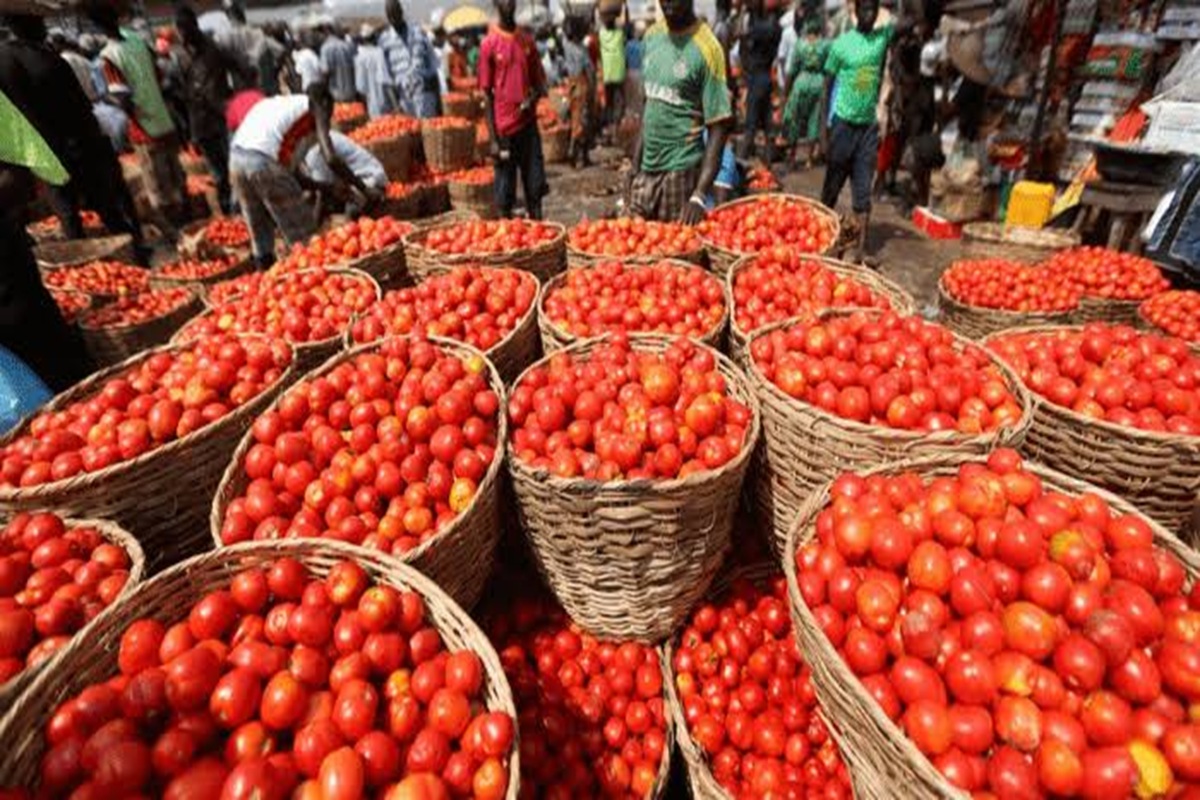
Ghana is currently bleeding cash on basic food items that can easily grow right here on local soil. Recent data from the Council for Scientific and Industrial Research reveals that the country spends roughly $168 million every year importing fresh and processed tomatoes.
For a nation blessed with over 400,000 hectares of fertile arable land suitable for tomato farming, this statistic is hard to digest. Local farmers currently satisfy only about 15 to 18 percent of Ghana’s total annual demand for tomatoes. The remaining gap is filled by heavy imports from neighbouring Burkina Faso for fresh tomatoes and China or Europe for processed paste.
The CSIR Crop Research Institute highlighted these troubling numbers during the Ministry of Environment, Science, Technology and Innovation webinar series. Principal Research Scientist Dr. Michael Kwabena Osei pointed out that Ghana imports over 85 percent of its commercial tomato seeds. As the scientist rightly noted, any nation that relies on foreign suppliers for seeds will ultimately depend on foreign nations for food.
This heavy import habit puts unnecessary pressure on the cedi and drains valuable foreign exchange reserves. To reverse this trend, researchers are calling for proper irrigation development, local seed production, and better storage systems to empower Ghanaian tomato farmers. Fixing these structural issues will protect local market prices, create reliable jobs for young people, and build genuine national food security.
Also Read: why ghanas 2025 food import is 36 5 billi