

 By Ghana News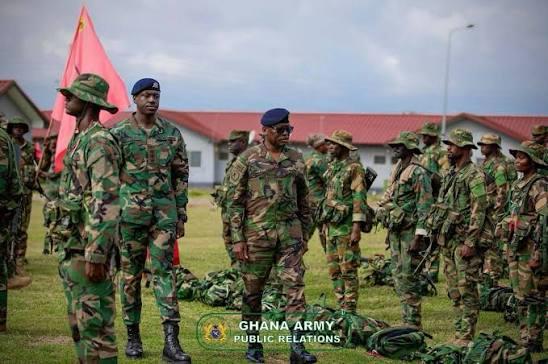
The conversation surrounding public sector waste management in Ghana often comes with deep, heavy frustration. Citizens always complain about choked gutters, plastic litter in our markets, and filthy public spaces despite huge government spending over the decades.
It is incredibly painful to watch our beautiful cities struggle with environmental degradation while nationwide clean-up campaigns yield very little results. The recurring consequences remain highly severe, ranging from devastating perennial flooding to preventable sanitation-related diseases.
This long-running failure points directly to a very fundamental truth about our governance system. The real issue is no longer just about financing, but it centers heavily on poor execution, zero discipline, and a total lack of accountability.
To solve this massive national embarrassment, the state must look in a completely different tactical direction. The government needs to seriously consider entrusting public sector waste management directly to the Ghana Armed Forces.
The military has consistently distinguished itself as one of the most highly disciplined, efficient, and dependable institutions in the country. Whether handling intense national security duties, engineering projects, or domestic disaster relief, our soldiers always deliver excellent results.
A military-led sanitation programme will focus exclusively on government-managed facilities and vital public infrastructure. They have the precise organizational structure, nationwide presence, and heavy transport assets needed to enforce strict environmental cleanliness.
It is quite funny how we trust civilian contractors who spend months doing basic clearing while the trash keeps piling up daily. Letting the military manage public zones like ministries, schools, highways, beaches, and drainage systems ensures absolute consistency.
Our ultimate desire as a nation is to see clean, healthy surroundings that protect the dignity of every Ghanaian. The Armed Forces possess the exact logistical capability and engineering expertise to turn this collective dream into reality.
By deploying the military to secure public spaces, we introduce a high level of supervision that civilian agencies completely lack. This bold strategic upgrade will directly safeguard public health and preserve our national infrastructure for the long term.
True progress in our communities requires a robust, action-oriented approach that holds every institution accountable to high standards. If we are truly serious about ending the sanitation crisis in 2026, it is time to let the military bring total order to our streets.
Also Read: The Agbogbloshie Sanitation Crisis: Why One of Accra’s Largest Markets is Choking