

 By Zobia Zulfqar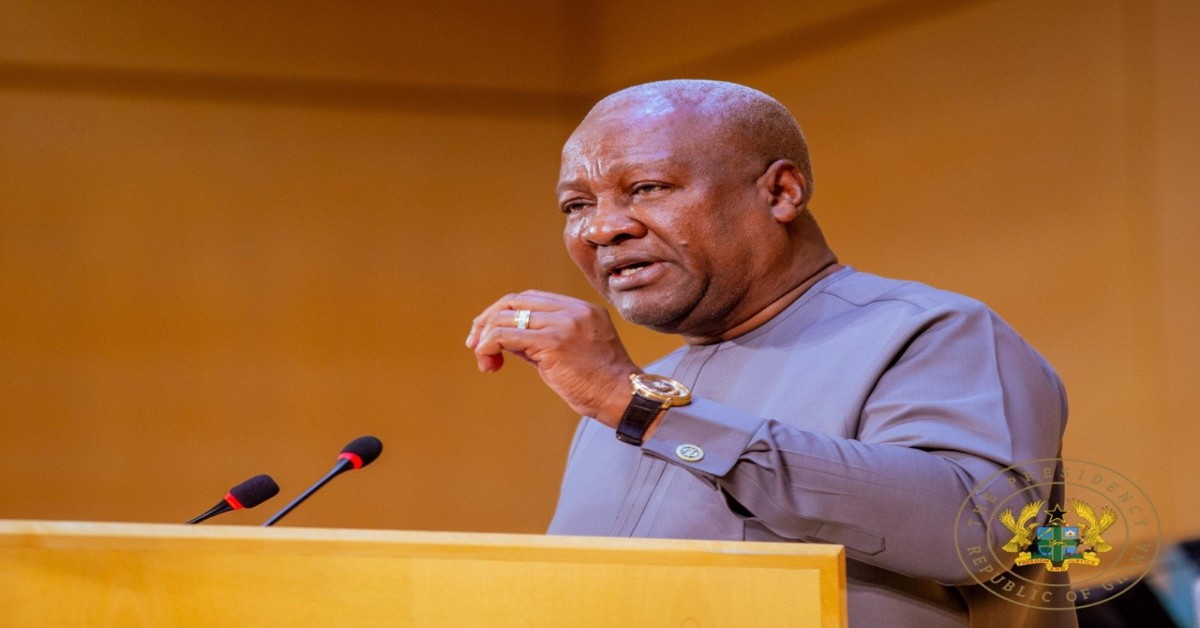
The government’s efforts to tighten public spending and reduce inflation are facing renewed scrutiny after concerns emerged that funding restrictions contributed to delays in one of Accra’s most important flood control projects.
The debate has intensified following recent flooding across parts of the capital, with critics arguing that strict fiscal controls slowed work on the Greater Accra Resilient and Integrated Development (GARID) Project, leaving key drainage infrastructure unfinished when heavy rains struck.
Before returning to office, President John Dramani Mahama and the National Democratic Congress (NDC) repeatedly argued that excessive government spending had fueled inflation and weakened the economy. Throughout the election campaign, the party promised stronger fiscal discipline, lower inflation and better management of public finances.
After taking office, the government introduced tighter expenditure controls aimed at restoring macroeconomic stability. Disbursements were limited, public spending was reduced and payments to contractors became subject to stricter financial controls.
Supporters of the policy point to significant economic improvements over the past year. Inflation declined sharply, the cedi strengthened against the US dollar and fuel prices eased, developments that many economists regard as signs of improving fiscal management.
However, questions are now being raised about whether those gains came at the expense of critical infrastructure projects.
Attention has focused on the GARID Project, a World Bank-supported programme established to improve flood resilience, upgrade drainage systems and strengthen climate adaptation across the Greater Accra Region.
The initiative includes major engineering works designed to reduce perennial flooding in some of Accra’s most vulnerable communities.
According to critics, the project was already well advanced before funding constraints began affecting implementation.
They argue that engineering designs had been completed, contracts awarded and several construction activities were already underway before cash flow challenges slowed progress.
Among the major projects cited are drainage works along the Achimota-Abofu corridor, South Kaneshie, the Dr. Busia Highway and the reconstruction of sections of the Odaw River drainage system.
Additional interventions included flood protection works at Atomic East, the installation of an Accra Flood Early Warning System and preparations for detention ponds intended to temporarily store stormwater during periods of heavy rainfall.
Opposition figures argue that fiscal restrictions introduced in 2025 delayed payments to contractors, slowed Interim Payment Certificate processing and interrupted construction schedules.
They contend that these delays reduced the pace of work on several flood mitigation projects despite continued financial support from the World Bank.
Government, however, maintains that its fiscal reforms were necessary to restore economic stability after years of financial challenges.
Officials argue that responsible public spending is essential for sustaining long-term development and creating room for future infrastructure investment.
The discussion has become more prominent following recent flooding that affected several communities across Accra, resulting in loss of lives, damage to homes and businesses, and widespread disruption to transportation and economic activities.
The flooding has renewed public attention on the condition of the city’s drainage infrastructure and the pace of ongoing flood control projects.
Adding to the debate, the Minister for Works, Housing and Water Resources, Kenneth Gilbert Adjei, recently informed Parliament that the contract for part of the Odaw River drainage reconstruction had been terminated because of poor contractor performance.
According to the minister, although the contract was cancelled, the government obtained World Bank approval to continue critical sections of the work while the remaining portions are repackaged for a new procurement process.
Those emergency works include completing key drainage connections and preventing sediment buildup that could worsen flooding.
Infrastructure experts generally agree that flood management in Accra depends on a combination of completed drainage projects, effective maintenance of waterways, proper waste management and stronger enforcement against illegal construction on watercourses.
Rapid urbanisation, blocked drains and unplanned development have continued to increase flood risks across many parts of the capital.
The GARID Project remains one of the country’s largest investments in urban climate resilience and is expected to play an important role in reducing flood risks once fully completed.
The recent debate reflects the broader challenge governments face in balancing fiscal discipline with continued investment in essential infrastructure.
While controlling inflation and maintaining economic stability remain important policy objectives, many observers argue that protecting lives and property through timely infrastructure investment is equally critical.
As reconstruction efforts continue after the latest floods, attention is likely to remain on how quickly delayed drainage projects can be completed and whether future funding arrangements can better balance economic management with the urgent need for resilient public infrastructure.