

 By Emmanuel Fletcher
The scenic landscapes and rich cultural heritage of the Volta Region are set for a massive economic boost following an ambitious development agenda from the sector ministry. The Minister of Tourism, Culture, and Creative Arts, Abla Dzifa Gomashie, has reaffirmed the government’s absolute commitment to transforming the region into a premier travel destination.
The state is rolling out a comprehensive plan focused on aggressive eco-tourism development, cultural promotion, and strategic private sector investments. Local authorities are already mapping out unique heritage sites to ensure that local communities reap direct financial benefits from the incoming influx of international holidaymakers.
A major barrier to tourism growth in the country has always been the poor state of roads leading to our most beautiful natural attractions. To resolve this problem, Minister Gomashie held a strategic planning meeting with the Minister of Roads and Highways, Kwame Governs Agbodza, to prioritize emergency road rehabilitation works.
The government intends to utilize the second phase of its massive Big Push infrastructure program to upgrade transport networks feeding major landmarks across the region. Local assemblies are taking up the task of identifying hidden tourist hotspots within their districts, while the sector ministry provides the technical expertise needed to package and market them globally.
The eco-tourism potential of the region stretches from the northern highlands down to the beautiful southern beaches. The minister highlighted the Adaklu Mountain range and the neighboring Likpe-Todome area as pristine locations perfectly suited for high-adventure activities like paragliding and hiking.
Further south, the coastal communities are developing vibrant marine tourism products to attract holidaymakers. The recent Vodza Easter Regatta, which witnessed the active participation of Vice President Professor Jane Naana Opoku-Agyemang, serves as a prime example of how local cultural festivals can successfully capture nationwide attention and drive local hospitality business sales.
While the government provides the necessary policy direction and basic infrastructure, the tourism sector remains heavily driven by private capital. The ministry is officially inviting local and international investors to explore its inventory of litigation-free lands available for immediate development under Build-Operate-Transfer arrangements.
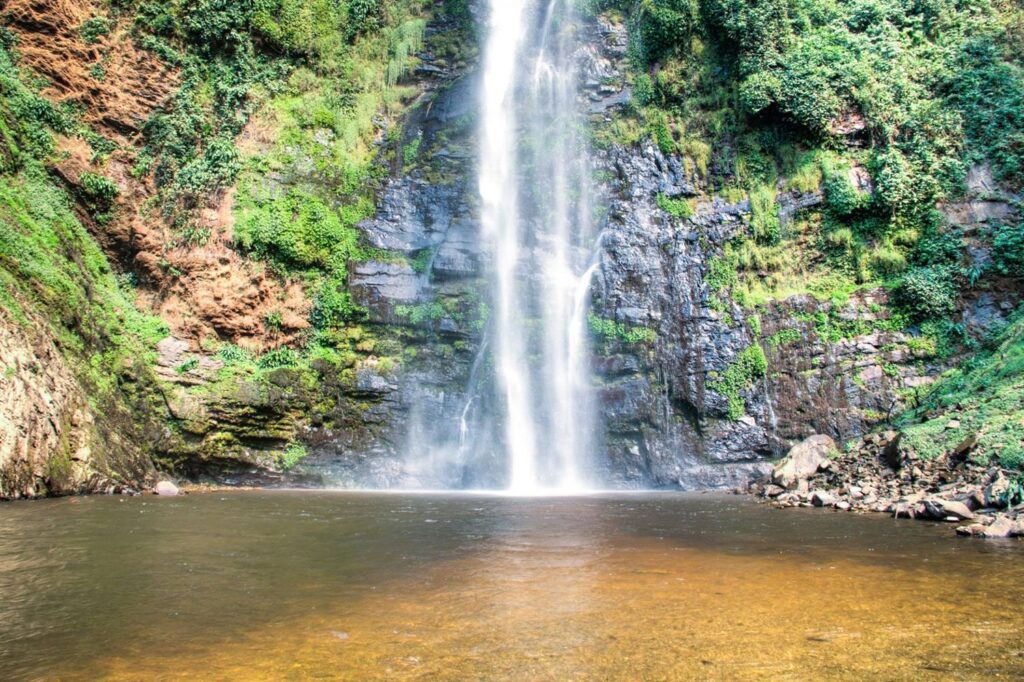
Key assets available for public-private partnerships include the famous Wli and Agumatsa Waterfalls, the Avu Lagoon, and the historic Hedzranawo Slave Market. The state is working in close collaboration with traditional authorities, including the Agbogbomefia of Asogli, to attract heavy investments from international partners for the Marine Drive Project.
The Ghana Tourism Development Company has officially launched a modern digital tourism platform designed to showcase local hospitality businesses to the rest of the world. However, the minister expressed serious concerns that many hotels, restaurants, and local tour operators have failed to register their facilities on the portal.
Business owners must understand that if their facilities are missing from this central database, it becomes incredibly difficult for state agencies to market them to international travelers. By keeping local environments clean and embracing digital marketing tools, the hospitality sector will see unprecedented growth starting from the 2027 fiscal year.
Also Read: The 70th UN Tourism Commission for Africa meeting will take place in Ghana in 2027