

 By Ishmeal
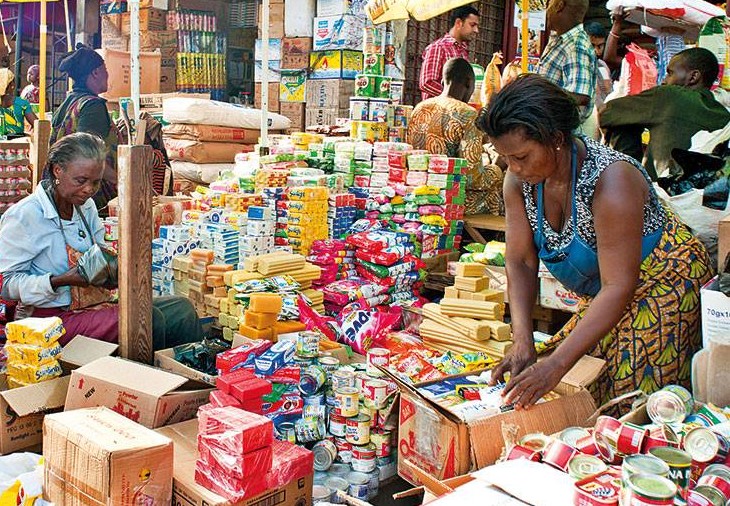
A report by the Ghana Statistical Service (GSS) indicates that about 92% of businesses in Ghana operate in the informal sector, highlighting the scale of informality in the country’s business environment.
The figure points to the important role informal businesses play in Ghana’s economy, particularly in providing livelihoods, creating jobs and supporting local trade.
Informal businesses include enterprises that operate without meeting some formal registration, regulatory or administrative requirements. These may include small traders, market vendors, artisans, home-based businesses and some service providers.
Informality Remains a Challenge for Businesses
Operating informally can make it difficult for businesses to access certain opportunities, including formal financing, business development support and some government programmes.
Businesses that are not formally registered may also face challenges when trying to secure contracts, expand their operations or establish relationships with larger companies.
For the government, widespread informality can complicate efforts to measure economic activity, broaden the tax base and ensure that businesses receive appropriate support.
However, many small businesses operate informally because of financial constraints, limited knowledge of registration processes or difficulties navigating regulatory requirements. Simplifying these processes and providing practical support could encourage more businesses to formalise their operations.
Calls for Support for Small Businesses
The reported figure highlights the need for policies that help small businesses transition into the formal sector without placing unnecessary financial and administrative burdens on them.
Measures such as affordable registration, access to financing, business education and improved access to markets could help enterprises grow and operate more sustainably.
Formalisation can also help businesses build credibility, keep better records and access opportunities that may be difficult to obtain while operating informally.
The GSS figure underscores the importance of understanding the realities facing Ghanaian businesses as policymakers work to improve productivity, employment and private-sector growth.
Also Read:Mahama Announces Rosatom Talks On Ghana Nuclear Plant