

 By Collins Sarkodieh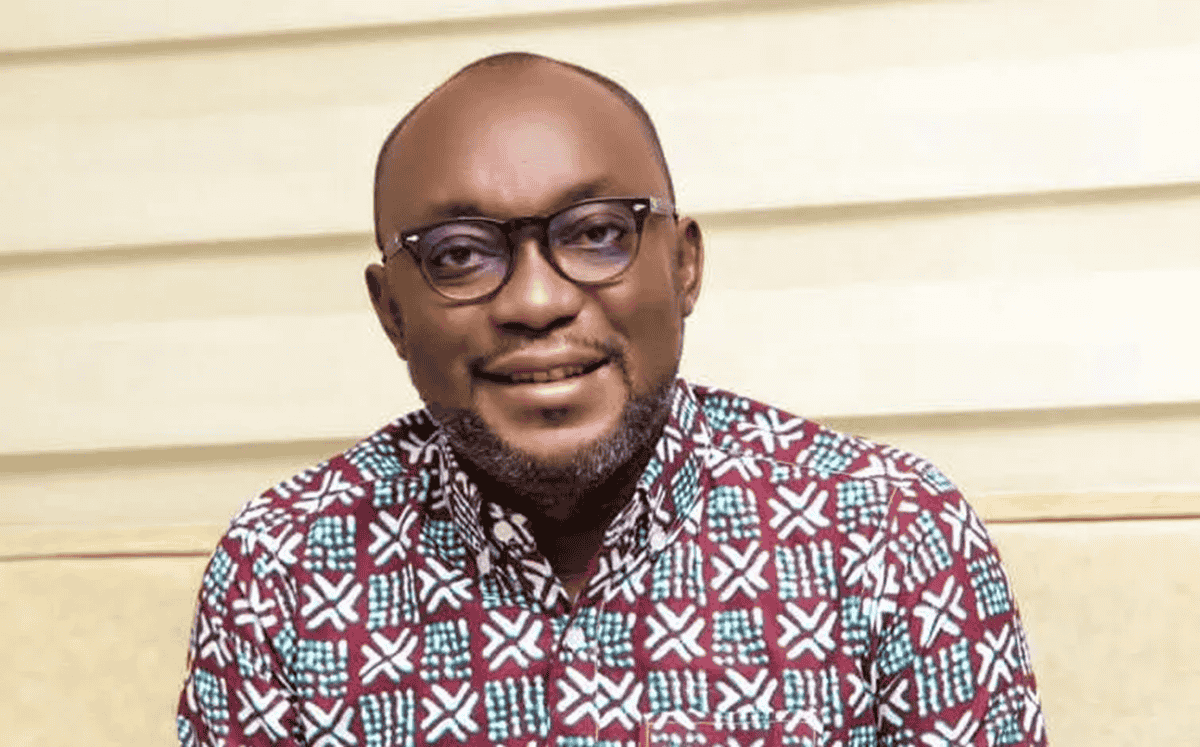
Dr. Kingsley Agyemang, Vice-Chairman of Ghana’s Parliamentary Human Rights Committee, argues that comprehensive human rights education is the most effective tool to curb the rising cases of violations across Africa. Speaking at the African Commission on Human and Peoples’ Rights (ACHPR) in The Gambia, he emphasized that empowering citizens with knowledge of their rights is essential for demanding justice and holding governments accountable.
For too long, human rights have been viewed primarily through a narrow political lens. However, Dr. Agyemang suggests that true human rights must include access to essential services such as healthcare, clean water, and safe infrastructure. When these basic needs are unmet, it constitutes a fundamental breach of a citizen’s right to a decent life.
Education serves as the “shield” for Africa’s future. By integrating human rights studies into school curricula from basic levels to tertiary institutions the continent can foster a generation that values equality, accountability, and civic responsibility. This shift from reactive to proactive human rights advocacy is critical for sustainable development and democratic growth.
Why is human rights education essential for Africa’s development?
Human rights education is essential because it empowers vulnerable populations to recognize when their rights are being infringed upon and gives them the language to demand accountability. As Dr. Kingsley Agyemang noted, people cannot demand justice for violations they do not understand. Education transforms passive subjects into active, informed citizens.
International observers like Amnesty International and Human Rights Watch report that abuses are often linked to a lack of awareness at the grassroots level. In regions where governments suppress dissent or restrict free expression, an educated populace is better equipped to utilize legal and international frameworks for protection.
Furthermore, education helps break the cycle of systemic violence, such as violence against women and the persecution of vulnerable groups. By teaching human rights in marketplaces, churches, and schools, the continent can build a culture of mutual respect that transcends political cycles and armed conflicts.
How does infrastructure impact human rights in rural Africa?
According to Dr. Agyemang, the lack of basic infrastructure, such as potable water and safe roads, is a significant human rights issue that disproportionately affects women in deprived communities. He cited the tragic example of a pregnant woman forced to walk long distances for water, risking snake bites and exhaustion, as a failure of the state to provide for her right to safety.
When a government fails to provide accessible healthcare or safe transportation, it effectively denies citizens their right to life and health. These are not just “developmental goals” but fundamental human rights concerns. Preventable deaths caused by weak social systems are as much a violation as political imprisonment.
Improving infrastructure is therefore a human rights imperative. Safe roads and clean water systems are physical manifestations of a government’s commitment to the dignity of its people. Addressing these “social rights” ensures that the most vulnerable members of society are not left exposed to unnecessary danger and hardship.
Should human rights be included in the school curriculum?
Dr. Kingsley Agyemang strongly proposes that human rights studies be incorporated into every level of the African school curriculum to raise a generation focused on justice and accountability. Starting at the basic level ensures that children grow up understanding their value and the responsibilities they have toward others in a democratic society.
Education shouldn’t stop at the classroom door; it should extend to tertiary institutions where future leaders are trained. By making human rights a core subject, Africa can ensure that its future lawyers, doctors, and politicians operate with a deep-seated respect for human dignity and the rule of law.
This educational push also strengthens democratic governance. Citizens who understand civic responsibility are more likely to participate in elections, engage in peaceful protest, and hold leaders accountable for their promises. It creates a robust check on power that begins at the childhood level.
Factual Insights into Human Rights in Africa:
- Regional Violations: Amnesty International notes that at least 36 African countries saw a significant crackdown on the right to freedom of expression and peaceful assembly in recent years.
- Healthcare Access: According to the World Health Organization (WHO), sub-Saharan Africa carries 25% of the global disease burden but has only 3% of the world’s health workers, highlighting a massive right-to-health gap.
- Violence Against Women: Approximately one in three women in Africa experience physical or sexual violence, often in communities with low human rights awareness.
- Preventable Deaths: UNICEF reports that roughly half of all global deaths in children under five occur in sub-Saharan Africa, a statistic Dr. Agyemang labels a human rights crisis.
- Legislative Oversight: Dr. Kingsley Agyemang represents the Abuakwa South Constituency and serves as a lead voice on Ghana’s Parliamentary Human Rights Committee.
- International Frameworks: The African Charter on Human and Peoples’ Rights, which the 87th ACHPR session addressed, is the primary legal instrument protecting rights on the continent.
What role can civil society play in human rights awareness?
Beyond formal schooling, civil society organizations (CSOs), churches, and community groups are vital in championing human rights conversations in local languages and contexts. These groups often have the trust of the community and can bridge the gap between abstract legal concepts and the daily realities of citizens.
Dr. Agyemang urged churches and marketplaces to become hubs for civic awareness. When a pastor or a market queen speaks about justice and equality, the message carries weight. This “informal” education is key to reaching adults who may have missed out on formal schooling but still face rights violations.
CSOs also act as the “watchdogs” that monitor government activities on the ground. By documenting abuses such as attacks on journalists or the mistreatment of minority groups they provide the data necessary for international bodies to pressure for change. Education ensures that these organizations have a steady stream of informed volunteers and activists.
The advocacy of Dr. Kingsley Agyemang at the 87th Session of the African Commission on Human and Peoples’ Rights highlights a pivotal shift in African leadership. By prioritizing education over purely legalistic or political solutions, he is proposing a way to “shield” the continent from the recurring cycle of abuses and systemic neglect.
As Africa navigates challenges like climate change, poverty, and political instability, the focus must remain on the individual citizen’s right to a dignified life. When every child knows their rights and every woman has access to basic infrastructure, the continent will finally achieve the justice and equality that its people deserve.
Also Read: The Abronye DC Detention: Political Intimidation or Judicial Accountability?