

 By Ishmeal
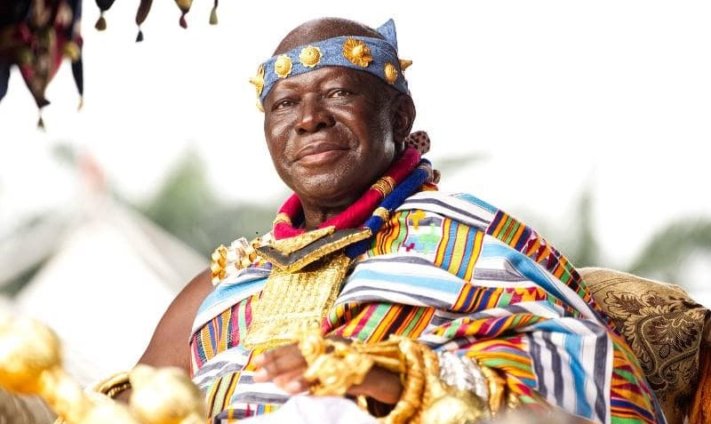
Asantehene Otumfuo Osei Tutu II has praised President John Dramani Mahama’s Reset Agenda, describing it as a demonstration of the political courage needed to reform Ghana’s mineral sector despite the controversies surrounding the Ghana Gold Board (GoldBod).
The Asantehene delivered the message through the Essumejahene, Nana Okyere Kusi Ntrama, at the African Minerals Policy Centre’s Mining in Motion 2026 forum in Accra on Monday, October 19.
He stressed the need for Ghana to move beyond exporting raw minerals and focus on processing more of its natural resources locally. According to the message, this approach could help the country retain more value from its mineral wealth, create jobs and strengthen local industries.
GoldBod Controversies Should Not Overshadow Reforms
Otumfuo acknowledged the controversies surrounding GoldBod but maintained that the broader objective of reforming Ghana’s mineral sector remains important.
His remarks highlight the need to consider the country’s long-term mineral development goals alongside the concerns surrounding institutions responsible for managing the sector.
GoldBod plays a role in Ghana’s gold trading framework, making its operations and public accountability important to discussions about the management of the country’s mineral resources.
The Asantehene’s message suggests that the national conversation should focus not only on the controversies but also on how Ghana can improve its mineral policies and gain greater economic benefits from its natural resources.
Call for Greater Focus on Local Mineral Processing
A key issue highlighted in the message was the need for Ghana to process more of its minerals before exporting them.
Exporting raw minerals limits the amount of processing and related industrial activity that takes place within the country. Expanding local processing could create opportunities for businesses, support employment and increase the value generated from Ghana’s natural resources.
The forum brought together stakeholders to discuss mineral governance, local processing and ways African countries can benefit more from their mineral wealth.
The Asantehene’s remarks also underline the importance of maintaining a long-term national approach to mineral sector reforms, regardless of changes in political leadership.
For Ghana, the challenge is to strengthen accountability, address public concerns and build industries that allow more of the value from mining to remain within the country.
Otumfuo’s comments add to the ongoing debate about the future of Ghana’s mineral sector and the need to balance institutional accountability with reforms aimed at promoting local processing and economic development.
Also Read:Kofi Adams Meets Hyundai Executive On Sports Development