

 By Emmanuel Bamfo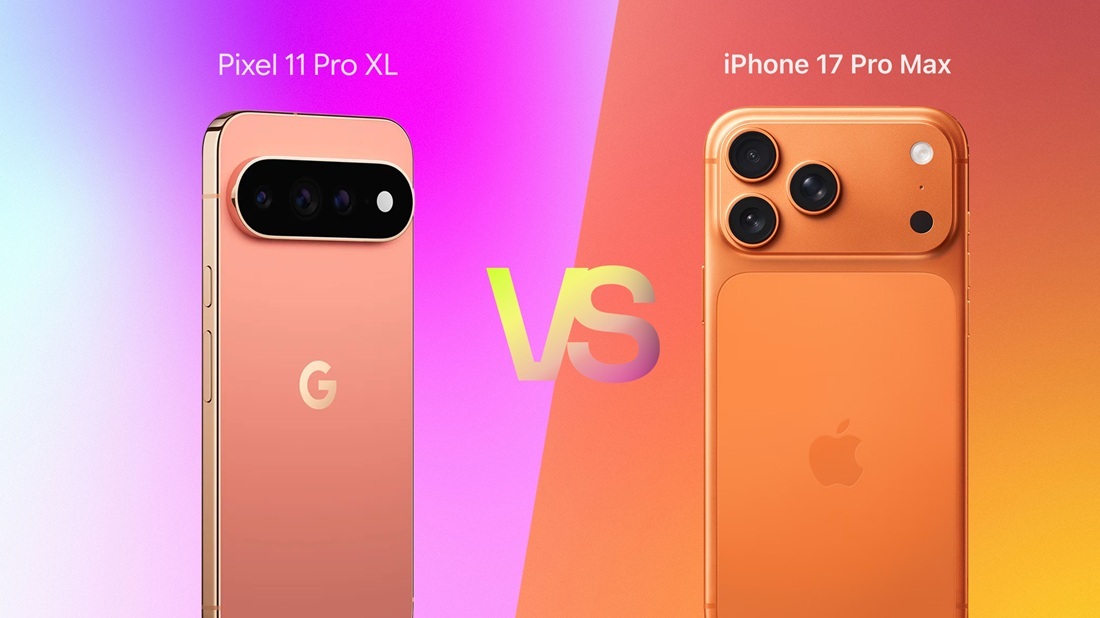
Choosing the wrong flagship phone can leave you with washed-out memories and huge regret.
The showdown between the Google Pixel 11 Pro and Apple iPhone 17 Pro Max is finally here. Both tech giants packed their 2026 flagships with high-end sensor upgrades and deep artificial intelligence features. Real sample photo comparisons reveal significant differences in exposure, shadow detail, color balance, and extreme zoom capabilities. This deep camera analysis breaks down real test photos so you can spend your hard-earned money wisely.
Which Phone Takes The Best Daytime Photos?
Google Pixel 11 Pro delivers higher shadow detail and cooler color tones.
Both smartphones feature massive primary camera sensors that handle daylight shooting effortlessly. Google uses a 50-megapixel main sensor with an f/1.7 aperture, while Apple uses a 48-megapixel main sensor. In full sun, the Pixel 11 Pro lifts shadows slightly more to show extra background detail. The iPhone 17 Pro Max preserves warmer skin tones and natural contrast.
Camera testing labs confirm that image processing algorithms shape overall picture style. Google relies on computational HDR image processing to prevent blown-out bright skies. Apple relies on Smart HDR processing to keep daylight shots natural and realistic. If you love vivid photos ready for social media posting without editing, the Pixel holds a slight edge.
The iPhone 17 Pro Max handles direct lens flare much better than older models. Sunlight reflecting off glass buildings shows fewer strange glare artifacts on the iPhone lens. Pixel 11 Pro keeps bright colors sharp, but its HDR can sometimes look a bit over-processed in direct sunlight. Both main cameras perform top-tier work, but your personal style preference dictates the winner here.
How Do Low Light Night Photos Compare?
Google Pixel 11 Pro captures brighter low-light photos with less digital noise.
Nighttime photography tests both image sensors and software processing power to the maximum limit. The Pixel 11 Pro uses multi-frame Night Sight alignment to light up dark alleyways naturally. It preserves sharp details on brick textures and neon signs without creating excessive blur. iPhone 17 Pro Max shoots faster night images, but dark shadow areas contain slightly more grain.
Independent mobile camera benchmarks regularly highlight sensor light sensitivity metrics. The Pixel 11 Pro features an updated 1/1.3-inch main sensor size that pulls in large amounts of physical light. Apple matches this performance with sensor-shift optical image stabilization to keep low-light shots steady. Yet Google computational software brightens dim outdoor scenes more evenly.
Streetlamp reflections show clear differences in color reproduction between both phones. The iPhone renders warm yellow streetlights with accurate amber tones. The Pixel counteracts yellow tint by applying aggressive white balance corrections. For dark late-night parties or dim outdoor dinners, the Pixel 11 Pro gives you a brighter visual outcome.
Can Telephoto Zoom Beat Long Distance Shots?
Google Pixel 11 Pro destroys the competition at extreme digital zoom distances.
Zoom performance sets true photography flagships apart from regular smartphones. Google packed the Pixel 11 Pro with an upgraded 48-megapixel periscope telephoto lens featuring a 70% larger physical sensor area. Apple includes a 48-megapixel periscope telephoto camera with 4x to 5x optical magnification options. Both deliver crisp images at standard 5x optical range.
Real sample photo comparisons highlight huge differences once you push past 10x magnification. The Pixel 11 Pro uses specialized AI Zoom Enhance software to reconstruct clear edge detail. Google allows zoom all the way up to 120x, while the iPhone 17 Pro Max caps out at 40x digital zoom. Text on distant road signs remains legible on the Pixel when the iPhone image turns blurry.
Optics industry statistics show larger telephoto sensors capture far more image detail. Because Google uses a bigger 1/1.95-inch telephoto sensor, long-range shots retain clean color saturation. iPhone 17 Pro Max works great for medium portrait zoom, but long-distance wildlife or concert photography belongs to the Pixel.
Which Ultra-Wide Lens Captures More Landscape?
Both phones feature 48-megapixel ultra-wide cameras, but Google captures wider fields of view.
Ultra-wide lenses let you squeeze massive group photos, architecture, and scenic mountain ranges into a single frame. The Pixel 11 Pro carries a 48-megapixel ultra-wide camera with an expansive 123-degree field of view. The iPhone 17 Pro Max includes a 48-megapixel ultra-wide sensor with a 120-degree field of view. That extra three degrees on the Pixel lets you fit more landscape into your composition.
Macro photography performance remains extremely tight across both flagship devices. Both smartphones automatically switch to their ultra-wide cameras when you move within inches of a tiny subject. Detail on flower petals, small insects, and watch gears looks remarkably sharp on both screens. Edge distortion is well-controlled by both Apple and Google optical lens designs.
Digital sensor measurements show that both lenses use fast f/1.7 to f/2.2 apertures. This wide aperture allows solid light capture even when shooting broad landscape scenes at dusk. Google applies more aggressive shadow lifting in ultra-wide scenes. Apple focuses on maintaining deep background contrast and rich foliage greens.
How Natural Do Portrait Shots Look?
iPhone 17 Pro Max produces softer skin tones and superior background blur separation.
Portrait mode relies on smart depth mapping to separate human subjects from blurry backgrounds. The iPhone 17 Pro Max excels at isolating stray hairs, clothing edges, and glasses frames without weird blurring mistakes. Apple color science prioritizes warm, realistic skin tones that look flattering right out of the camera. It creates a smooth bokeh effect reminiscent of professional DSLR cameras.
Google Pixel 11 Pro uses Real Tone color algorithms tuned to represent diverse skin shades accurately. It captures subtle face details, freckles, and skin textures with impressive contrast. However, the Pixel sometimes sharpens facial features a bit too heavily. This aggressive processing can highlight skin blemishes that Apple softer rendering smooths out naturally.
Front-facing selfie performance shows a major spec difference on paper. Google equips the Pixel 11 Pro with a high-resolution 42-megapixel selfie camera. Apple uses an 18-megapixel front sensor paired with advanced depth hardware. While the Pixel records sharper fine detail in solo selfies, Apple multi-person selfie framing feels more balanced.
Is Video Recording Quality Still One-Sided?
iPhone 17 Pro Max dominates high-resolution mobile video recording stability and audio capture.
Moving image capture has historically been Apple strongest mobile photographic territory. The iPhone 17 Pro Max records silky smooth 4K video at up to 120 frames per second. It handles fast pan shots without jerky frame drops or focus hunting issues. Color consistency remains identical when switching between main, ultra-wide, and telephoto camera lenses during active recording.
Google Pixel 11 Pro closes the gap using Video Boost cloud processing and 8K recording modes. The device captures clear 4K footage locally and uses Tensor G6 AI hardware to reduce night video grain. However, sending video to cloud servers for deep enhancement requires extra time. Real-time preview screens on the Pixel still display slight lag while recording fast action scenes.
Industry videographers rate iPhone ProRes video recording formats as the gold standard for mobile creators. The iPhone 17 Pro Max records directly to external USB-C drives with minimal delay. The Pixel 11 Pro takes stunning casual clips for everyday memory keeping. But serious video content creators will still prefer the seamless reliability of Apple video hardware.
Which Camera Suite Truly Wins The Battle?
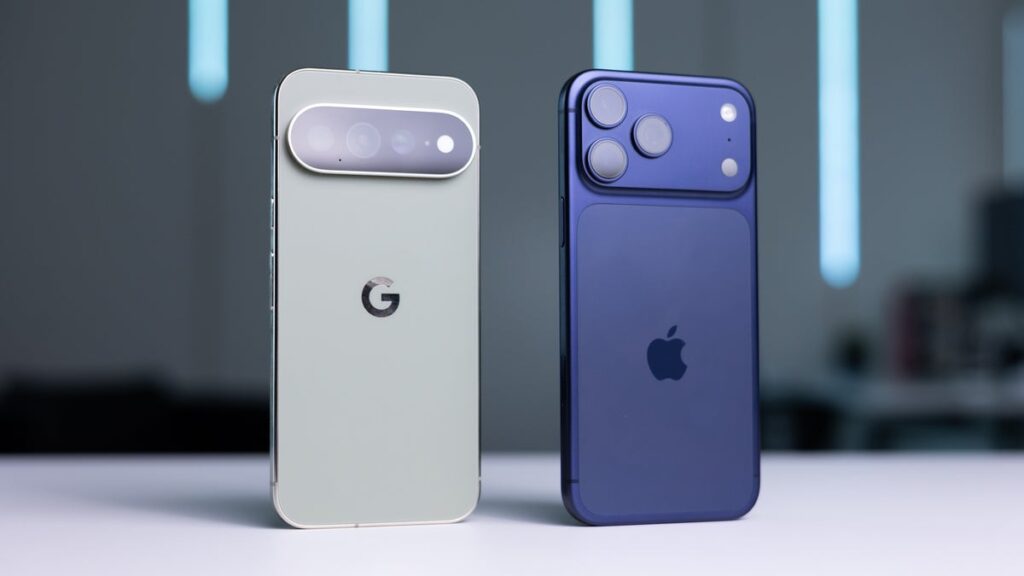
Your final choice depends on whether you value static photography AI or seamless video production.
The Google Pixel 11 Pro stands as the ultimate still photography tool for zoom lovers and night photographers. Its massive telephoto sensor, bright night processing, and creative AI tools like Magic Editor give you unlimited post-processing control. If you want a camera that uncovers hidden shadow detail and snaps crisp distant photos, Google takes the crown.
The Apple iPhone 17 Pro Max remains the king of consistent real-world performance, portrait warmth, and video mastery. It delivers reliable color accuracy across all camera lenses and captures smooth video clips without extra cloud processing steps. Pick the device that matches your personal creative style, because both flagship cameras represent the pinnacle of 2026 mobile technology.