

 By Ishmeal
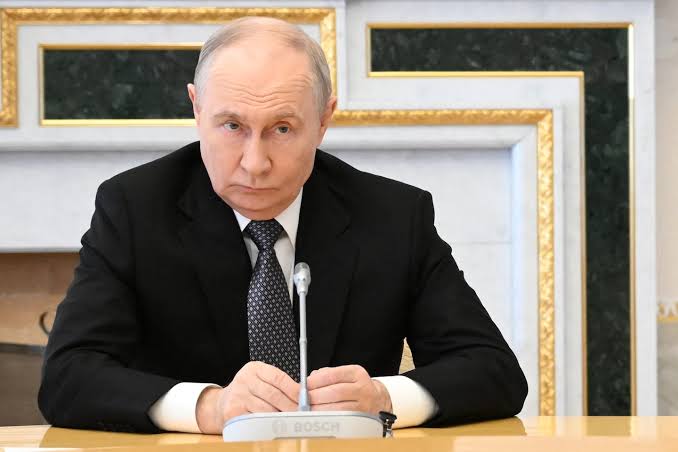
Russian President Vladimir Putin has accused Western countries of using harsh loan conditions, economic sanctions and trade restrictions to undermine Africa’s development and economic independence.
Putin made the remarks on Wednesday, October 28, 2026, while addressing African leaders at the third Russia–Africa Summit in Moscow, Russia. The two-day gathering brought together delegations from 48 African countries to discuss trade, investment, security, agriculture, technology and other areas of cooperation.
The Russian leader argued that some Western countries were imposing unfavourable financial conditions on African nations, leaving them with heavy debt obligations that could limit their ability to invest in development projects.
Putin Criticises Western Lending Conditions
During his address, Putin accused Western countries of attempting to push African nations back into what he described as a debt trap.
He argued that some financial arrangements place excessive pressure on borrowing countries, forcing governments to use public resources to repay loans instead of investing in infrastructure, healthcare, education and industrial development.
Putin also criticised the use of economic sanctions, tariffs and political pressure, claiming that these measures were being used to maintain external influence over African economies.
His remarks come as several African countries continue to manage public debt while seeking funding for roads, energy projects, water supply, healthcare and other essential services.
However, the conditions attached to loans vary by lender and country. Africa’s debt challenges also involve domestic economic decisions, global market conditions, borrowing costs and the ability of governments to generate revenue.
Putin Calls for Greater African Economic Independence
Putin argued that African countries need greater control over their economic decisions and natural resources.
He called for stronger industrial development and increased trade among African countries, saying that greater economic cooperation could help reduce dependence on external markets.
The Russian president highlighted the African Continental Free Trade Area (AfCFTA) as an important initiative for expanding trade within the continent and strengthening industrial cooperation.
According to figures cited by Putin, only about 15 per cent of Africa’s estimated US$1.5 trillion in annual trade takes place between African countries. He also said manufacturing accounts for less than two per cent of the continent’s value addition.
He presented these figures as evidence of the need for African countries to increase local production, process more raw materials and develop stronger regional supply chains.
Greater trade within Africa could create new markets for locally produced goods, support businesses and help countries retain more value from their natural resources.
Russia Offers to Expand Cooperation with Africa
Putin used the summit to present Russia as a partner for African countries seeking to strengthen their economies.
He said Moscow was prepared to share technological expertise, support infrastructure development and expand cooperation in agriculture and industrial production.
Putin also stated that Russia had supplied approximately 13 million tonnes of agricultural products to Africa during the first nine months of 2026. He added that more than 40 African countries had received Russian grain and fertilisers.
The Russian president further said Moscow was working with African countries on joint programmes intended to provide financing for economic growth and improve their debt situations.
These offers form part of Russia’s broader effort to expand its economic and diplomatic relationships across Africa. The summit also provides Moscow with an opportunity to strengthen ties with African governments amid continuing tensions bet
Putin also called for African countries to have a stronger voice in international financial institutions, particularly the International Monetary Fund (IMF) and the World Bank.
He argued that decision-making structures within these institutions should better reflect the interests of developing economies.
African countries have long sought greater representation in global financial and political institutions, including discussions about voting power, access to development financing and the conditions attached to loans.
For many governments, the central challenge is securing the resources needed for economic growth without allowing debt repayments to place excessive pressure on public spending.
Africa’s Debt Challenge Remains a Major Concern
Putin’s comments have brought renewed attention to the debate over Africa’s debt burden, external financing and economic independence.
Loans and international investment can help countries finance major development projects. However, borrowing terms, interest costs and repayment schedules can affect how much money governments have available for other priorities.
African countries also face the challenge of strengthening domestic revenue collection, expanding manufacturing, increasing exports and improving trade among themselves.
Putin’s criticism of Western lending practices represents Russia’s position in the wider debate over Africa’s development. Assessing the impact of external financing requires examining the terms of individual agreements, the benefits of the projects funded and each country’s capacity to repay its debts.
As African governments continue seeking development financing and international partnerships, the terms of those agreements and their long-term economic benefits will remain important considerations.
Also Read:Gyakie Announces December 12 Comeback Concert