

 By Emmanuel Bamfo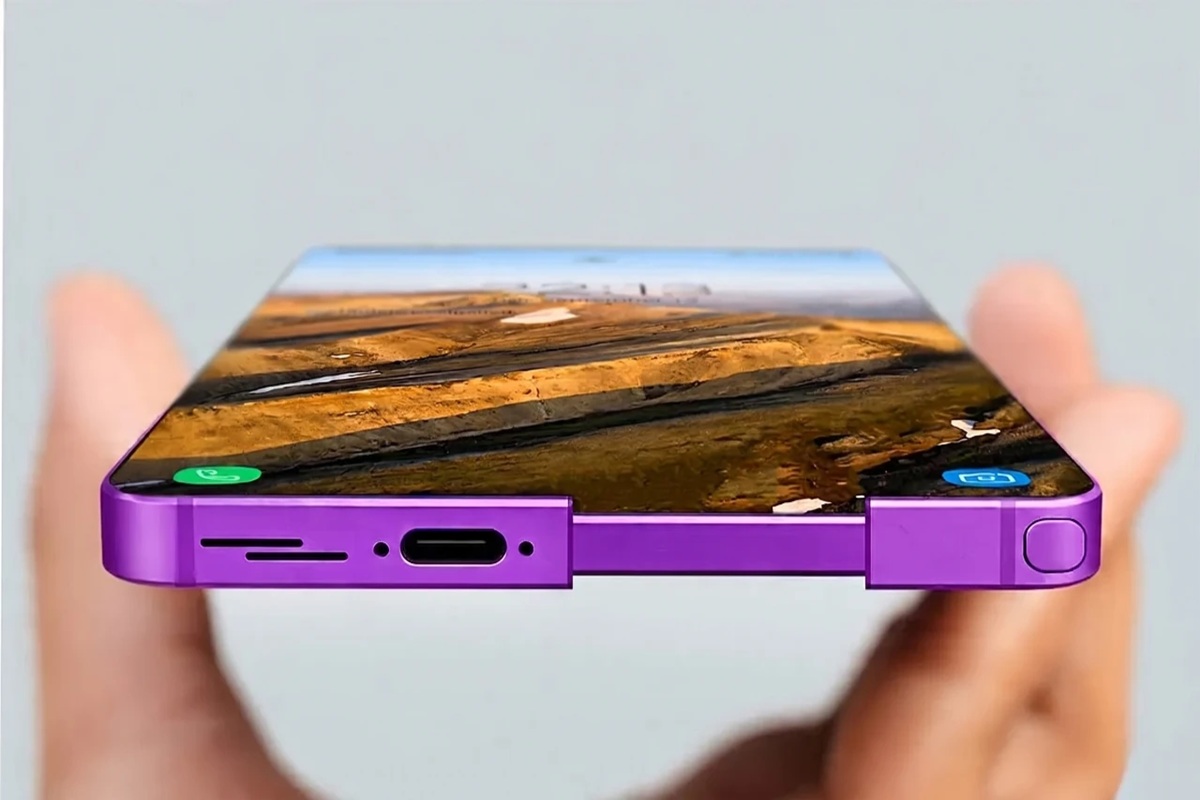
Imagine carrying a compact smartphone in your pocket that expands into a 12.4-inch tablet with a simple swipe. Tech enthusiasts have grown tired of standard glass slabs, but the Samsung Galaxy Z Roll 5G brings back genuine excitement.
For years, smartphone design hit a boring wall. Every flagship phone looked like a black glass brick with slightly faster chips. The original foldables tried to fix this problem, but they brought heavy hinges and annoying screen creases.
The Samsung Galaxy Z Roll 5G completely changes that story. Instead of folding like a book, it uses internal micro-motors to smoothly roll out a flexible OLED display.
Tech giant Samsung continues to lead mobile innovation, holding a massive chunk of global smartphone sales according to Statista reports. Industry sources reveal that Project Diamond, the codename behind Samsung’s rollable project, aims to make tablets obsolete.
Let us break down everything you need to know about this revolutionary rollable device.
How Does the Rollable Screen Actually Work Without a Crease?
The Samsung Galaxy Z Roll 5G uses a motorized scrolling mechanism that wraps the display around an internal pillar instead of bending it sharply. This mechanical gliding action eliminates the middle crease entirely.
Foldable phones like the Galaxy Z Fold series push screen materials to their limits by bending flexible glass in half. That constant pinching motion creates a permanent line right down the middle of the screen.
The rollable system handles flexible AMOLED material far more gently. Internal gears extend the display outward from a compact 6-inch phone into a wide 12.4-inch tablet in under three seconds.
Because the glass curves around a smooth dynamic track inside the titanium frame, the panel stays flat and smooth. You get a continuous, uninterrupted viewing surface that feels like solid glass under your fingers.
Can Built-In Sensors Really Track Your Health Through the Screen?
The Galaxy Z Roll 5G integrates advanced optical health sensors directly into its high-density OLED panel. You can measure blood pressure, oxygen saturation, and heart rate by pressing your thumb against the display.
Smartwatches are great for fitness, but not everyone wants to wear one to bed or during work meetings. Samsung solves this by placing biometric light sensors under the screen matrix.
With a pixel density hitting 500 PPI, these sensors shine specialized light wavelengths through your skin cells to gather real-time health data. The device logs your vitals directly into the Samsung Health app without requiring external wearables.
It turns your primary mobile phone into a personal medical monitor that checks your wellness throughout the day.
Why Is Everyone Talking About the Built-In Air Quality Sensor?
The phone includes a mini airflow chamber that samples ambient air to detect environmental pollutants and fine dust particles in real time. It gives instant feedback about the safety of the air inside your home or city streets.
Air pollution remains a growing health concern for urban residents around the globe. Samsung built a patented micro-vent system into the titanium frame to pull in small air samples safely.
The internal sensor scans for volatile organic compounds and particulate matter like PM2.5 within seconds. If you walk into a room with poor ventilation or heavy smog, your phone sends a quick alert.
This useful feature shows how smartphone hardware is evolving beyond basic communication into daily health protection.
What Makes the Holographic Display Technology So Special?
The screen uses a nanostructured optical layer paired with eye-tracking cameras to project realistic 3D depth without requiring special glasses. Content literally pops off the screen while maintaining crisp 4K visual clarity.
Most 3D screens in the past caused dizzy spells because they could not match where your eyes were looking. Samsung fixes this issue by using beam-steering technology to direct light right into your line of sight.
When you play compatible mobile games or view 3D renders, objects look as if they are floating above the glass surface. The system automatically falls back to standard 2D mode for reading articles or typing messages, saving battery life.
Will the Internal Motors Hold Up Against Daily Wear and Tear?
Samsung engineered a Grade 5 titanium housing with protective nano-coatings to shield the internal motorized track from dust and water damage. The mechanical gears are rated for hundreds of thousands of expansion cycles.
The biggest fear with rollable phones has always been durability. Moving parts can fail, and dust entering an open sliding channel could scratch the inner glass.
To combat this, Samsung created dynamic internal sweepers that push out debris every time the screen rolls back inside. The phone also features an automated fall-detection safety system.
If the internal accelerometer detects a sudden drop while the screen is unrolled, high-speed micro-motors pull the display back into the metal chassis before impact.
How Does Desktop Multitasking Work on a 12.4-Inch Unrolled Screen?
The Galaxy Z Roll 5G runs native Samsung DeX software directly on its massive 12.4-inch display, giving you a full desktop experience in your hands. You can operate three full-sized app windows side-by-side without feeling cramped.
Traditional foldables have square-like aspect ratios that cause thick black bars when watching videos or editing documents. The dynamic unrolling display shifts smoothly into a 16:10 aspect ratio.
You can type an email on one side, keep a video conference open on the other, and review financial spreadsheets across the bottom. Combined with S Pen stylus support, it turns your smartphone into a portable workstation.
What Kind of Processing Power Drives This Massive Device?
Leaked specifications confirm the phone runs on Qualcomm’s Snapdragon 8 Elite Gen 6 Pro chipset, built on a cutting-edge 2nm process node. It delivers incredible speed while keeping power consumption low.
Running motorized gears, dynamic aspect scaling, and holographic visuals requires massive computing power. This advanced chip handles complex AI processing on the device without slowing down.
Paired with up to 16GB of next-gen LPDDR6 RAM, you can render 4K video files or run demanding mobile games easily. It provides desktop-grade performance inside a pocketable body.
How Big Is the Battery and Does It Last All Day?
The device packs an 8,000mAh dual-cell silicon-anode battery that powers both the expanding screen and internal motors all day long. It supports 100W wired fast charging to get you back to full power in under 30 minutes.
A giant display and motorized tracks can drain traditional lithium batteries quickly. Samsung switched to silicon-anode chemistry, which packs significantly more power density into a smaller physical space.
This allows the heavy battery cells to fit entirely inside the non-moving main body of the phone. Even with heavy 5G data use and frequent unrolling, the battery delivers solid two-day endurance.
How Does the Camera System Compare to Traditional Flagship Phones?
The rear setup features a huge 324MP main camera sensor paired with a 50MP periscope lens offering 10x optical zoom. It captures ultra-clear photos regardless of whether the phone is unrolled or compact.
Early foldable phones often downgraded camera hardware due to space limits inside thin folding chassis. The Galaxy Z Roll 5G eliminates that compromise by housing the camera module inside the thick, rigid core of the device.
Samsung’s computational photography software adjusts frame composition automatically as the screen extends. You can use the massive unrolled display as an ultra-large viewfinder for precise photography.
Unlike older foldable devices that topped out at 50MP or 108MP sensors, the Galaxy Z Roll 5G utilizes high-density silicon-anode battery tech to leave room for this top-tier camera setup without sacrificing battery life.
When Will the Samsung Galaxy Z Roll 5G Be Released and What Will It Cost?
Industry analysts expect Samsung to announce the Galaxy Z Roll 5G at an Unpacked event in late 2026, with retail pricing starting around $2,799. It will sit at the top of Samsung’s ultra-premium smartphone lineup.
Building rollable AMOLED displays, mini-motors, air quality sensors, and titanium frames is expensive. This cutting-edge smartphone targets early adopters and power users who want the absolute latest technology.
Mass production yield rates will determine final availability across global markets. If you want a device that seamlessly bridges the gap between a pocket phone and a productivity tablet, saving up for this rollable masterpiece will be well worth it.
Also Read: phone upgrades worth making in 2026