

 By Zobia Zulfqar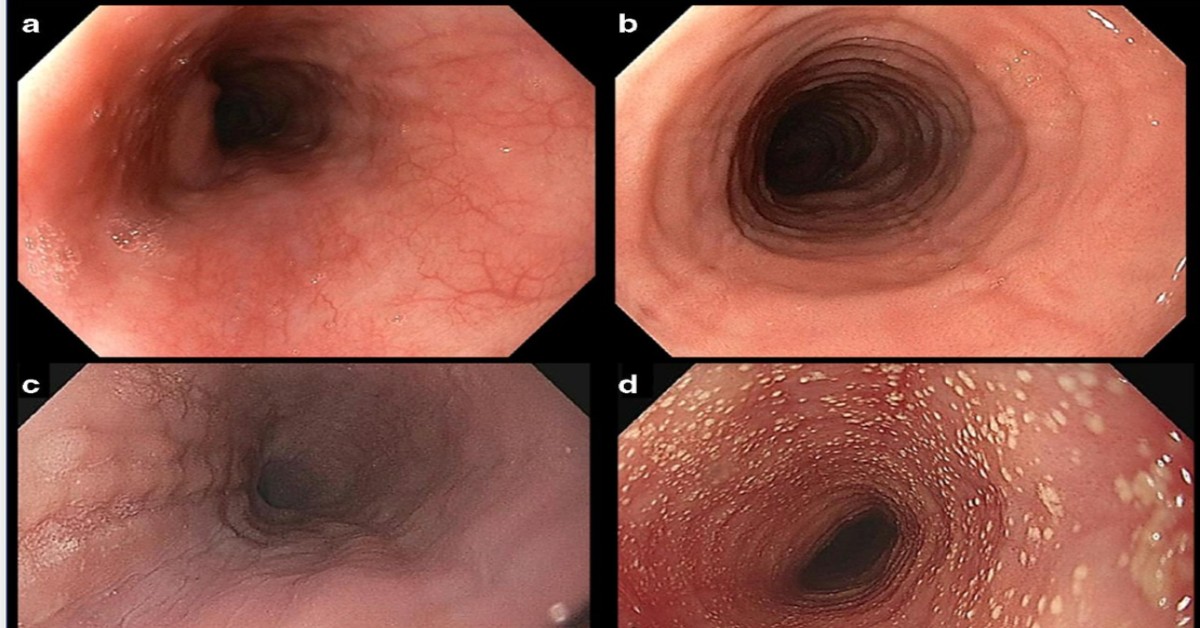
Researchers have identified a promising link between the Index of Severity for Eosinophilic Esophagitis (I-SEE) and measurements obtained using the Functional Lumen Imaging Probe (FLIP), suggesting that combining the two tools could improve the long-term assessment and treatment of patients with eosinophilic esophagitis (EoE).
The findings were presented at Digestive Disease Week (DDW) 2026 by Dr. Corey Ketchem, an instructor at Northwestern University in Chicago, Illinois.
According to Dr. Ketchem, the study highlights the importance of evaluating not only the traditional signs of EoE but also the physical and mechanical function of the esophagus when assessing disease severity.
Understanding Eosinophilic Esophagitis
Eosinophilic esophagitis is a chronic inflammatory condition in which a type of white blood cell called an eosinophil builds up in the esophagus. The condition can cause difficulty swallowing, food becoming stuck in the throat, chest discomfort and inflammation that may eventually lead to scarring or narrowing of the esophagus.
Doctors typically assess disease severity using symptoms, endoscopic findings and tissue biopsies. However, these methods do not fully measure how well the esophagus functions mechanically.
The new research explored whether adding FLIP measurements could provide a more complete picture of the disease.
What Is the I-SEE Score?
The Index of Severity for Eosinophilic Esophagitis (I-SEE) is a relatively new scoring system designed to evaluate the severity of EoE.
It combines several traditional measures, including patient symptoms, endoscopic findings and microscopic examination of tissue samples, into a single composite score.
Patients are classified into mild, moderate or severe disease categories based on these combined assessments.
While the score offers a comprehensive clinical evaluation, it does not include information about the physical movement or flexibility of the esophagus.
Role of FLIP Technology
To address that gap, researchers used the Functional Lumen Imaging Probe (FLIP), a device that measures the physical properties of the esophagus during endoscopy.
FLIP evaluates how well the esophagus stretches, its diameter and its ability to expand, providing valuable information about the organ’s mechanical function.
Researchers believe these measurements may help identify structural changes that are not fully captured through traditional assessments.
Study Design
The study prospectively enrolled adult patients diagnosed with eosinophilic esophagitis who underwent FLIP measurements during their initial endoscopy.
Researchers then retrospectively assigned each participant an I-SEE score and compared the FLIP measurements across the different disease severity categories.
Patients were grouped into mild, moderate and severe classifications to determine whether changes in esophageal function corresponded with worsening disease.
Key Findings
The researchers found a clear relationship between increasing disease severity and declining esophageal function.
As patients’ I-SEE scores became more severe, FLIP measurements showed reduced esophageal diameter and decreased distensibility, indicating that the esophagus became less flexible and more narrowed.
These findings suggest that the physical impairment of the esophagus progresses alongside the traditional indicators used to measure eosinophilic esophagitis.
According to Dr. Ketchem, the results demonstrate that physiological and mechanical changes closely track disease severity.
Potential Clinical Benefits
The study suggests that incorporating FLIP measurements into routine assessment could help physicians better understand the long-term progression of eosinophilic esophagitis.
Dr. Ketchem explained that measuring the mechanical properties of the esophagus may provide valuable information beyond symptoms and biopsy results.
He said combining FLIP data with I-SEE scores could help identify patients who require closer monitoring or different treatment strategies.
A more complete assessment may also improve clinicians’ ability to personalize care and detect disease progression before complications develop.
Looking Ahead
Although additional research is needed to confirm the findings in larger patient populations, the study provides evidence that combining clinical scoring systems with functional imaging could improve the management of eosinophilic esophagitis.
Researchers believe integrating mechanical measurements into routine evaluations may eventually help physicians make more informed treatment decisions while improving long-term outcomes for patients living with this chronic digestive disease.