

 By Collins Sarkodieh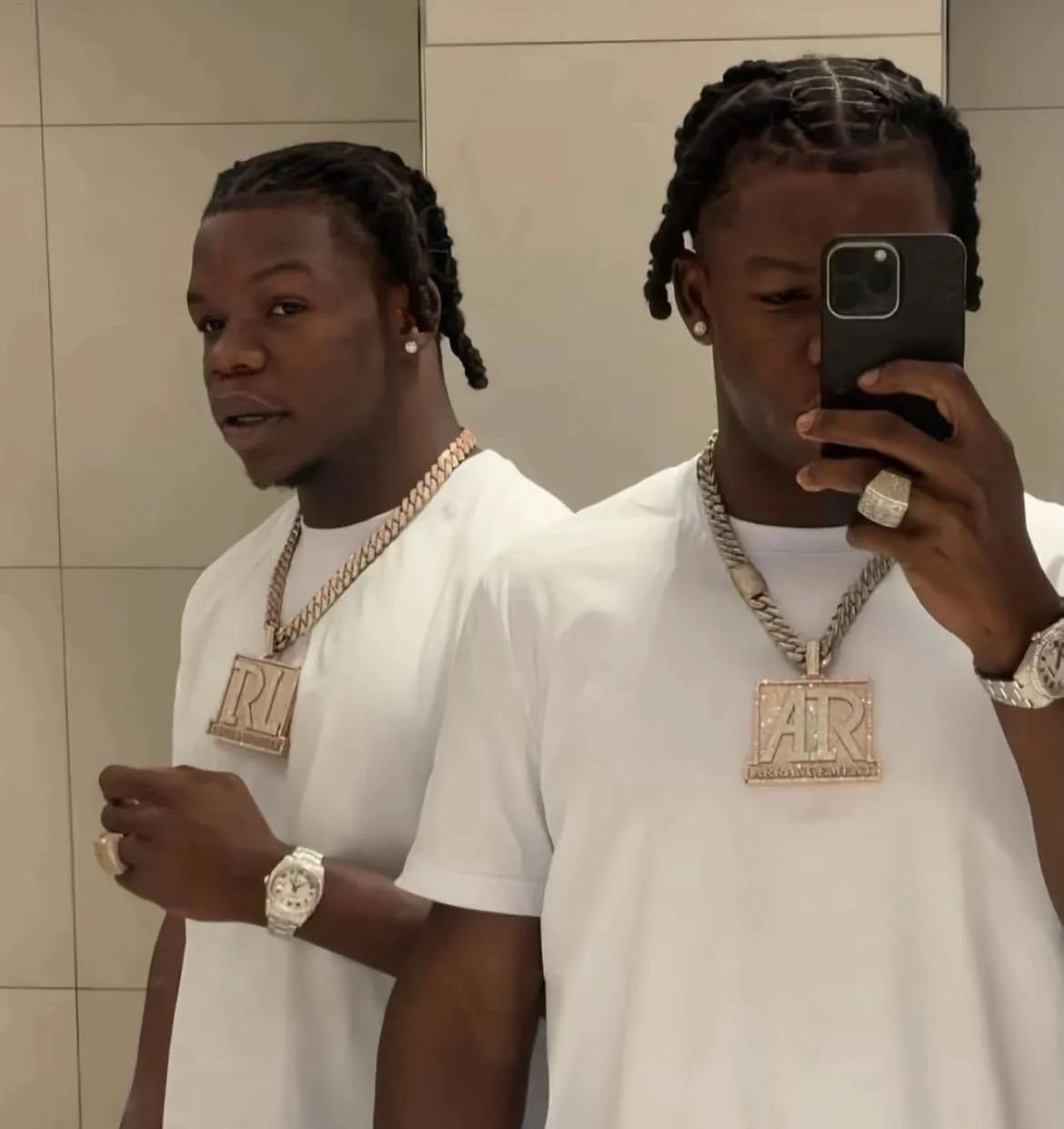
Two Ghanaian brothers and a U.S.-based woman have been indicted for their alleged roles in an international romance fraud network targeting elderly Americans. The group is accused of using fake identities on dating sites to build emotional trust before siphoning funds into accounts controlled by the conspiracy. This case marks a significant step in the U.S. Department of Justice’s Elder Justice Initiative, aiming to dismantle syndicates that prey on vulnerable older citizens.
The unsealed indictment in United States v. Jamal Abubakari, et al. identifies the accused as Jamal Abubakari (alias “Arrangement”), Kamal Abubakari (alias “Lancaster”), and Amanda Joy Opoku-Boachie. Arrested in Virginia, the trio allegedly conspired between July 2024 and April 2026 to defraud victims through wire transfers. Prosecutors state that once the money was secured, it was often funneled to accomplices in Ghana and other international locations.
Romance scams are particularly devastating because they exploit human connection and loneliness. The FBI and various Ghanaian agencies, including the Economic and Organised Crime Office (EOCO), worked in tandem to trace the digital and financial footprints of the group. While the defendants are presumed innocent until proven guilty, the charges of conspiracy to commit wire fraud and money laundering carry the potential for decades in federal prison.
Who are the suspects in the 2026 Ghana-linked romance fraud case?
The primary suspects are Ghanaian brothers Jamal and Kamal Abubakari, alongside Amanda Joy Opoku-Boachie, who was residing in the United States. They allegedly operated under various aliases and fake profiles to establish romantic bonds with elderly victims. All three suspects were apprehended in Virginia and remain in custody as the case moves toward trial in the Northern District of Ohio.
According to the FBI Cleveland Division, the group did not work alone but conspired with a larger network of individuals across different continents. By using fabricated life stories and emotional manipulation, they convinced victims that they were in genuine relationships. This “grooming” process allowed them to eventually ask for large sums of money under the guise of emergencies or travel costs.
The investigation reveals a sophisticated operation where roles were clearly defined. While some members managed the “front-end” communication with victims, others like Opoku-Boachie allegedly handled the domestic bank accounts used to receive and move the illicit funds. This layered approach is a hallmark of modern international fraud syndicates.
How does the romance fraud targeting elderly Americans work?
Romance fraud typically begins on social media or dating apps where scammers create “high-value” fake profiles to attract elderly targets. Once a connection is made, the scammer spends weeks or months building an emotional bond, often claiming to be working abroad or in the military. This trust is eventually weaponized to request money for “urgent” needs like medical bills, legal fees, or plane tickets.
In this specific indictment, the suspects allegedly directed victims to send money via wire transfers. Once the funds hit U.S.-based accounts, they were quickly moved to avoid detection by bank security systems. A significant portion of these funds was then transferred to Ghana, making recovery nearly impossible for the victims once the scam was discovered.
The psychological impact on victims is often as severe as the financial loss. Many elderly individuals lose their entire life savings and experience profound shame, which often prevents them from reporting the crime immediately. The U.S. Department of Justice continues to warn that any request for money from someone met only online should be treated as a major red flag.
What are the legal consequences for wire fraud and money laundering?
Defendants convicted of conspiracy to commit wire fraud and money laundering in the U.S. face severe penalties, including up to 20 years in prison per count. Recent related cases have seen sentences ranging from 12 months to 108 months (9 years), depending on the amount of money stolen and the defendant’s level of involvement. The courts also frequently order full restitution to the victims.
The prosecution in this case is being handled by the Northern District of Ohio, which has a track record of aggressive litigation against elder fraud. Previous defendants linked to similar Ghana-based schemes, such as Frederick Kumi and Daniel Yussif, were indicted in late 2025, showing a consistent pattern of enforcement. The U.S. government utilizes these lengthy sentences to deter international syndicates from viewing elderly Americans as easy targets.
Beyond prison time, those convicted face permanent forfeiture of assets gained through the scheme. The FBI and the Ghana Police Service work together to seize property and bank accounts purchased with stolen funds. This cross-border cooperation ensures that there is “no safe haven” for those looking to profit from digital deception.
Factual Insights into International Romance Scams:
- Elder Justice Initiative: This case is a direct result of a DOJ program specifically designed to combat financial fraud against seniors.
- Global Losses: According to the FBI’s IC3 report, romance scams result in losses exceeding $1 billion annually in the United States.
- Target Demographics: Individuals over the age of 60 are the most targeted group and report the highest individual financial losses.
- Agency Collaboration: The probe involved the FBI, Ghana’s EOCO, Cyber Security Authority, and the Ghana Immigration Service.
- Timeline of Crime: The Abubakari syndicate is alleged to have operated for nearly two years, from July 2024 to April 2026.
- Sentencing Range: Related convictions have led to prison terms as high as 108 months for lead conspirators.
- International Funneling: A major portion of romance scam proceeds is transferred to West African hubs, including Ghana and Nigeria.
Why is the FBI collaborating with Ghanaian agencies like EOCO?
The collaboration between the FBI and Ghanaian agencies is essential because the crimes are transnational, involving evidence and suspects in both countries. Since the money is often funneled to Ghana, local agencies like the Economic and Organised Crime Office (EOCO) are needed to track local bank accounts and perform arrests. This partnership allows for a “dual-front” attack on the syndicate’s infrastructure.
By working with the Ghana Police Service and the Cyber Security Authority, U.S. investigators can access digital logs and physical locations that would otherwise be out of reach. This cooperation also helps strengthen Ghana’s own domestic security, as these fraud networks often engage in other criminal activities that affect local residents.
The FBI Legal Attaché Office in Accra serves as the bridge for this communication, ensuring that indictments in the U.S. lead to actionable intelligence in Ghana. As these networks become more sophisticated, this level of international teamwork is the only way to effectively shut down large-scale fraud operations and protect the global financial system.
The indictment of Jamal Abubakari and his co-conspirators serves as a powerful reminder of the risks lurking on dating platforms. While technology connects us, it also provides a mask for those looking to exploit human emotion for financial gain. The joint effort between U.S. and Ghanaian authorities highlights a growing global commitment to ending elder abuse and romance fraud.
For families with elderly members, vigilance and open communication about online safety are the best defenses. As the legal process unfolds in the Northern District of Ohio, the goal remains clear: to provide justice for the victims and to ensure that “love” isn’t used as a weapon for theft.
Also Read: Police Dismantle Kasoa Robbery Syndicate: Five Suspects Including Ex-Convicts Arrested