

 By Aaron Hammond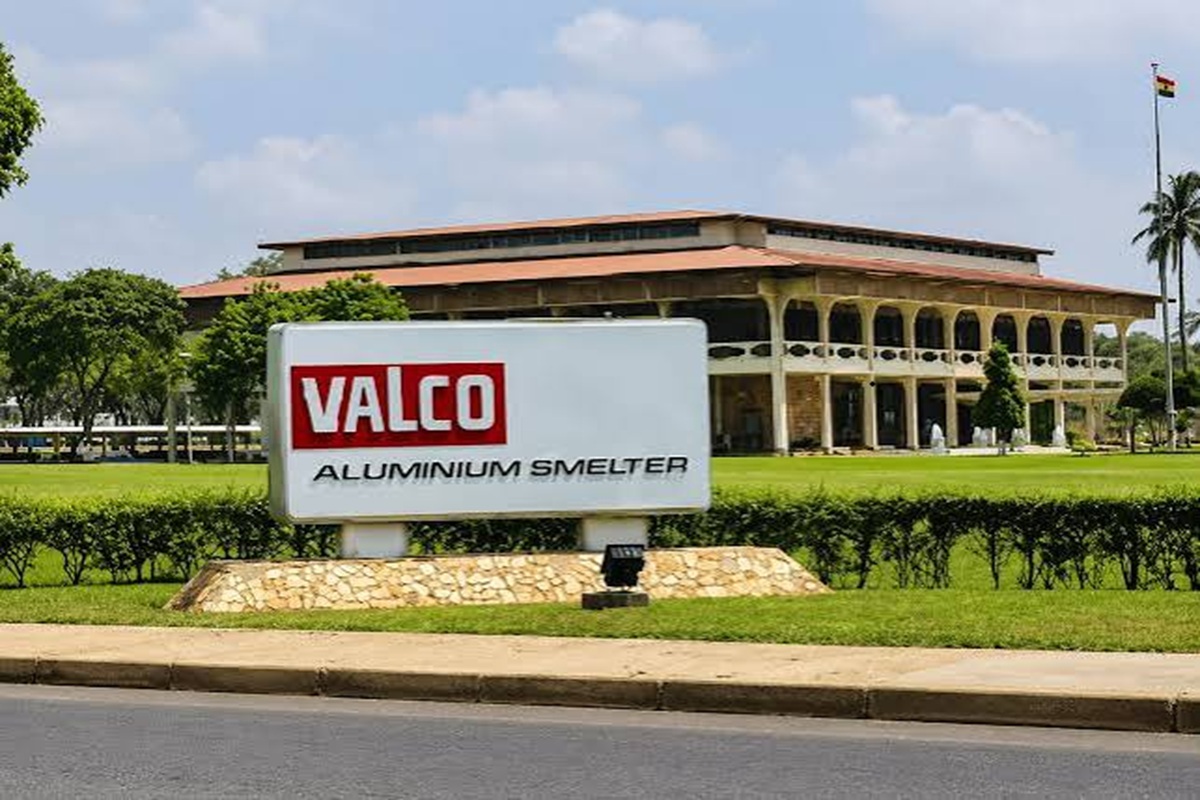
The planned privatisation of the Volta Aluminium Company Limited (VALCO) has started a major national conversation in Ghana. The government says the move is aimed at bringing in private investment to revive the company, while some critics are demanding more transparency.
According to Reindorf Twumasi Ankrah, CEO of the Ghana Integrated Aluminium Development Corporation (GIADEC), the process is not a complete sale of VALCO but a strategic equity partnership where government ownership will be shared with a private investor who provides needed capital.
Why Is Ghana Considering VALCO Privatisation Now?
VALCO needs financial support to become competitive again. The government believes working with a strategic investor can provide the money, technology, and expertise needed to improve operations.
The company, established in 1967, has played an important role in Ghana’s aluminium industry. However, challenges such as high operational costs, limited investment, and changing global market conditions have affected its performance over the years.
GIADEC says the goal is to transform VALCO into a stronger industrial company that can support Ghana’s aluminium value chain.
Why Is Ibrahim Mahama Mentioned In The VALCO Debate?
The name of businessman Ibrahim Mahama has become part of public discussions surrounding VALCO because of his success in the mining sector.
However, Wonder Victor Kutor, a private legal practitioner and member of the NDC National Communications Team, argues that linking Ibrahim Mahama to the deal without evidence of a formal bid is unfair.
He described such claims as “professional blackmail” because no official confirmation has been made that Mahama is interested in acquiring a stake in VALCO.
The debate shows the importance of separating facts from speculation during major national economic decisions.
Read More: “Why Courts in Greater Accra Are Closed This Week: What You Need to Know“
Why Are VALCO Workers Worried About The Privatisation?
Some VALCO workers have expressed concerns about the process because they want clarity on the future of their jobs and the company.
Energy analyst and NPP senior member Kwadwo Poku Nsafoah questioned why workers have not seen details of the competitive tender process months after discussions began.
He highlighted concerns about transparency, including the need for information about shortlisted companies and the criteria used in selecting a strategic investor.
Workers often worry that privatisation could lead to job losses, but governments usually argue that private investment can create long term growth when properly managed.
What Does VALCO Need To Survive?
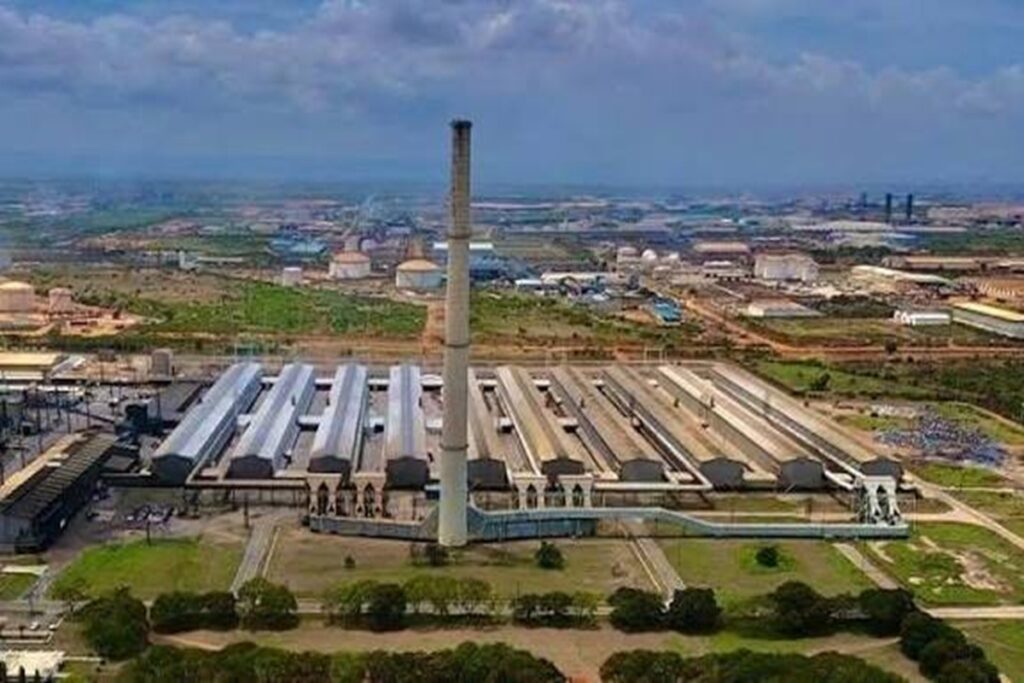
VALCO needs investment, modern equipment, and a stronger business strategy to compete in the global aluminium market.
Wonder Victor Kutor also acknowledged that the company requires support but questioned why public attention has focused on Ibrahim Mahama when no confirmed bid has been announced.
For Ghana, the key issue is not only who invests in VALCO but whether the process is transparent, competitive, and beneficial to the country.
A successful partnership could help Ghana strengthen its aluminium industry, create jobs, and increase local value addition.
What Happens Next For VALCO?
The future of VALCO will depend on how government handles the privatisation process and communicates with workers and the public.
Clear information about investors, agreements, and expected benefits will be important in building public confidence.
As Ghana continues efforts to develop its natural resources, the VALCO debate highlights a bigger question: how can the country attract investment while protecting national interests?