

 By Emmanuel Bamfo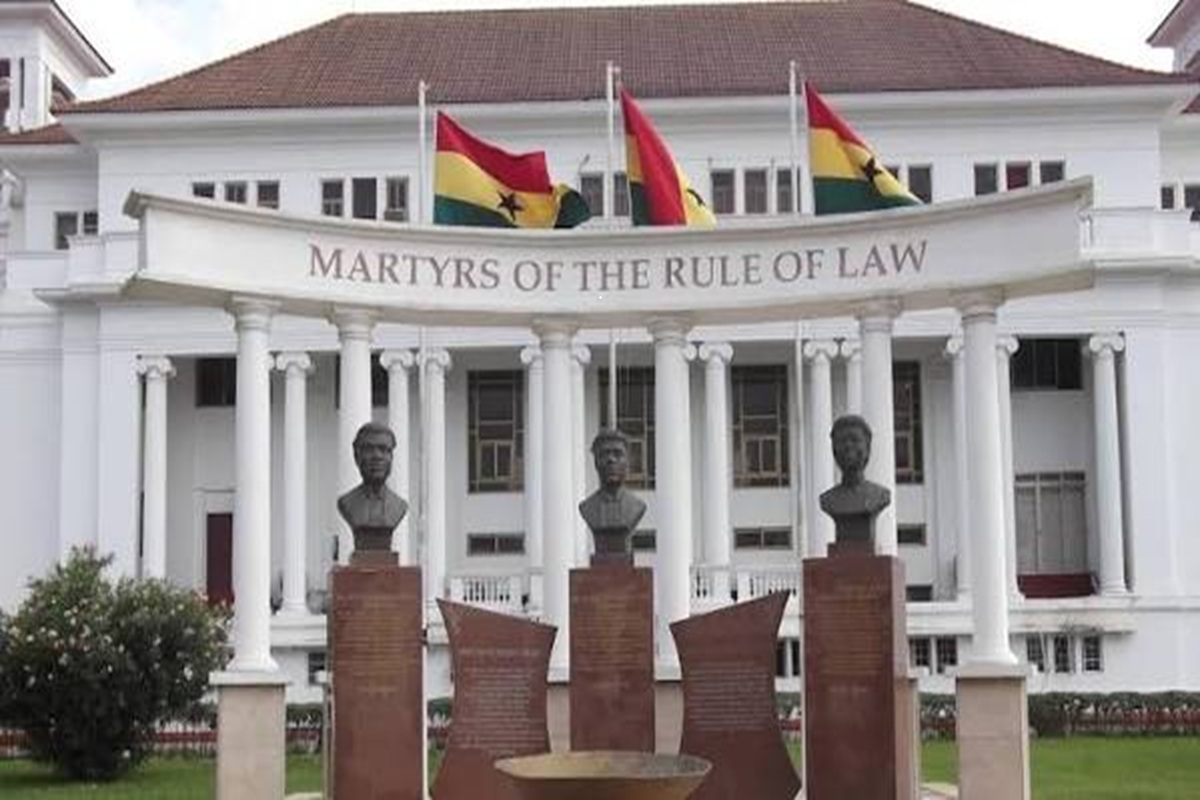
All courts in the Greater Accra Region are temporarily closed on Tuesday, July 28, and Friday, July 31, 2026, by official directive of Chief Justice Paul Baffoe-Bonnie. The total suspension allows judges, magistrates, and judicial officers across the capital to celebrate the historic 150th anniversary of the Supreme Court of Ghana. If you have a court hearing scheduled on these dates, your case will not proceed, but your legal rights remain fully protected under official Judicial Service protocols.
Imagine waking up early on Tuesday morning, ironing your best white shirt, enduring the crazy traffic at Kwame Nkrumah Circle, only to arrive at the Law Court Complex and see locked doors. That kind of frustration can make anyone hyperventilate, especially when your freedom, money, or land title is on the line. But do not panic at all because this temporary court closure is an official administrative break rather than a legal crisis.
This comprehensive article breaks down everything you need to know about this week’s court closures in Greater Accra. We will look at why the Chief Justice made this decision, which specific courts are affected, how your pending cases will be rescheduled, and how you can still file urgent legal processes using electronic channels.
Why Are Greater Accra Courts Closed Suddenly This Week?
Courts across Greater Accra are closed because the Judicial Service of Ghana is celebrating the 150th anniversary milestone of the Supreme Court, which was established back in 1876. Chief Justice Paul Baffoe-Bonnie issued a formal directive suspending all court sittings on July 28 and July 31, 2026, so judges and staff can attend designated national anniversary events.
Ghanaian justice has come a long way since the Supreme Court was established under the Supreme Court Ordinance of 1876. Sir David Patrick Chalmers drafted that original colonial law, serving as the first Chief Justice of the Gold Coast Colony. Hitting 150 years of continuous administration of justice is a huge historical deal for the entire legal fraternity, from the Ghana Bar Association to the Bench.
The Chief Justice directed that all judges, magistrates, and judicial staff in the Greater Accra Region participate fully in these milestone activities. Because formal court proceedings require the physical or virtual presence of judges and clerks, holding normal sittings on these peak event days was simply impossible.
While shutting down courtrooms in a busy metropolis like Accra temporarily halts legal business, the Judicial Service planned the shutdown to minimize public disruption. Courts will operate normally on Wednesday, July 29, and Thursday, July 30, before resuming full operations next week.
Which Exact Dates and Courts in Greater Accra Are Affected?
The court closure specifically applies to Tuesday, July 28, and Friday, July 31, 2026, across every level of court within the Greater Accra Region. This suspension affects the Supreme Court, the Court of Appeal, all High Courts, Circuit Courts, and District Courts operating in Accra and surrounding districts.
If your lawyer told you to report to the High Court Complex near the Accra High Court or any District Court in Madina, Tema, or Ashaiman on those two days, stay at home. No judge will sit in open court, and regular registrars will not call cause lists.
- Supreme Court of Ghana located at High Street, Accra.
- Court of Appeal benches operating in the Greater Accra Region.
- High Courts including Land, Commercial, Financial, Labor, and Criminal Divisions at the Law Court Complex.
- Circuit Courts in Accra, Tema, Weija, Adenta, and surrounding municipalities.
- District Magistrate Courts across all municipal assemblies in Greater Accra.
Courts outside the Greater Accra Region are not bound by this specific regional suspension unless local judicial directives state otherwise. If your case is in Kumasi, Sunyani, or Takoradi, you must check directly with your local court registry because regional schedules differ.
What Massive Events Triggered This Temporary Shutdown?
The temporary shutdown was triggered by two major national events organized by the Judicial Service to mark 150 years of Supreme Court history in Ghana. The main anniversary climax takes place on Tuesday, July 28, followed by a ceremonial thanksgiving service on Friday, July 31, 2026.
The main event on Tuesday, July 28, 2026, brings together current and retired Supreme Court justices, legal scholars, government officials, and international guests at the Ohene Konadu Auditorium at the University of Professional Studies, Accra (UPSA). This gathering reflects on Ghana’s constitutional evolution, judicial independence, and legal reforms.
The second major gathering occurs on Friday, July 31, 2026, when the Judiciary holds an official non-denominational thanksgiving service at the Accra Ridge Church. This event formally closes the weeklong anniversary celebrations with prayers for wisdom, integrity, and national peace.
For an institution that handles thousands of dispute resolutions every month, taking two days out of 150 years to reflect on institutional growth is considered a necessary pause by judicial authorities.
Will Your Case Be Struck Out or Dismissed Because of the Closure?
Your case will definitely not be struck out or dismissed simply because court sittings were suspended on your scheduled date. The Judicial Service automatically adjourns all matters listed for July 28 and July 31, 2026, to subsequent open court dates.
Many litigants panic when they miss a court date, fearing the judge will issue a bench warrant or grant a default judgment against them. You can rest easy because when a court closure comes from the Chief Justice, every pending matter is protected by standard administrative law.
Court clerks and registrars will prepare updated cause lists that push affected cases forward to available open dates. In most instances, cases scheduled for Tuesday or Friday will either be bumped to Wednesday or Thursday of the same week or moved to early August.
You should still stay in close touch with your lawyer or the court registry clerk to obtain the official new date for your hearing. Do not rely on hearsay from fellow litigants at the gate.
How Can You Handle Urgent Bail and Remand Emergencies Right Now?
Urgent bail applications and police remand cases during court closures are managed by designated duty judges and senior registrars assigned to emergency desk duties. While regular trials and civil motions stop, fundamental human rights protections under Article 14 of the 1992 Constitution remain active.
If a suspect is arrested by the Ghana Police Service, the law requires that they be brought before a court within 48 hours. When courts are closed for public observances, emergency duty magistrates are stationed at key court hubs to review urgent remand requests.
For civil matters requiring immediate protection, such as an urgent ex-parte injunction to stop property destruction, emergency filings can be routed through registry supervisors. Registrars evaluate the genuine emergency status of the application before contacting the assigned duty judge.
If your relative is currently in police custody in Accra, instruct your defense attorney to contact the registry head at the High Court Complex or local Circuit Court immediately. Emergency provisions ensure nobody remains unlawfully detained without administrative review.
Can You Still File Legal Documents During Court Closures?
Yes, you can still file legal documents and pay court fees during the shutdown through the official Ghana e-Justice portal and online judicial registry systems. The digital court platform operates 24 hours every day, allowing lawyers and self-represented litigants to upload writs, motions, and affidavits without visiting physical court buildings.
Ghana’s Judicial Service launched e-Justice reforms to modernize court registry workflows, reduce human contact, and prevent missing files. Because the electronic filing portal runs on automated cloud servers, statutory filing deadlines are kept intact even when physical courtrooms are locked.
- Log into the e-Justice portal or visit the official Judicial Service web platform.
- Select your specific court division, case number, and document type.
- Upload your signed legal documents in PDF format as required by registry guidelines.
- Pay the required statutory court filing fees using mobile money or bank card.
- Download your official stamped electronic filing receipt for verification.
If you prefer physical paper filings, limited skeleton staff remain at registry counters to receive time-sensitive documents that must meet strict statutory limitation periods. Always confirm counter opening hours before making the journey to High Street or the Law Court Complex.
What Practical Steps Should Lawyers and Litigants Take Immediately?
Lawyers and litigants should proactively verify their new court dates, notify all key witnesses, and update their legal schedules immediately. Taking three simple administrative steps now will prevent expensive delays when court proceedings fully resume.
First, call your court clerk or check the published weekly cause list on the Judicial Service website. Registrars upload revised cause lists detailing adjourned dates for every courtroom in the Greater Accra Region.
Second, notify your witnesses, sureties, and experts so they do not waste time traveling to court on closed days. Clear communication saves your witnesses money and prevents frustration that might make them reluctant to testify later.
Third, use this brief interlude to review your case documents and discuss trial strategy with your legal counsel. A two-day pause in court sittings provides a great opportunity to organize exhibits, refine cross-examination questions, and draft pending settlement terms.
How Does This Court Shutdown Impact Ghana’s Wider Judicial System?
A two-day judicial suspension adds short-term pressure to an already congested court calendar, but strategic administrative rescheduling helps absorb the extra load. According to Judicial Service reports, courts in Greater Accra handle over 60 percent of all civil and commercial litigation in Ghana.
When sittings stop for two days, hundreds of cases must be folded into existing court calendars. Judges in Accra frequently hear 15 to 30 cases per day, meaning postponed cases require smart scheduling to avoid overwhelming registry staff.
To manage potential backlogs, many High Court and Circuit Court judges conduct afternoon sittings or schedule extra virtual hearings. Ghana’s adoption of virtual court hearing technology allows judges to clear interlocutory applications quickly without congesting physical courtrooms.
This brief shutdown highlights the value of judicial technology. Systems like electronic case management, digital transcription, and virtual courtrooms help maintain judicial momentum even during temporary physical suspensions.
How Has Ghana’s Judiciary Evolved Over 150 Years of History?
Ghana’s judicial system has evolved from colonial court structures under the 1876 Supreme Court Ordinance to a modern constitutional court under the 1992 Constitution. Over the past 150 years, the Supreme Court has guided the nation through colonial rule, post-independence transitions, and military regimes into the Fourth Republic.
Following independence in 1957, Sir Kobina Arku Korsah made history when he became the first substantive Ghanaian Chief Justice. Since then, the apex court has defended constitutional democracy, settled high-stakes election petitions, and expanded legal access across all sixteen regions.
Under the leadership of Chief Justice Paul Baffoe-Bonnie, the judiciary continues to prioritize e-Justice digital transformation and alternative dispute resolution mechanisms. These continuous legal reforms ensure that citizens receive fair, timely, and accessible justice across Ghana.
Reflecting on 150 years gives legal practitioners and citizens a chance to celebrate how far the legal system has grown. The milestone reinforces public trust in judicial independence and the rule of law.
What Should You Expect When Greater Accra Courts Reopen Next Week?
When courts reopen fully next week, expect unusually busy court premises, longer queues at registry counters, and packed courtroom rosters. Planning ahead will help you navigate the post-closure rush smoothly without unnecessary stress.
Court registries will be processing a backlog of physical filings and updated hearing notices accumulated during the suspension. If you need certified true copies of court orders or processed summonses, expect slightly longer waiting times than usual.
Arrive at the court premises at least 30 to 45 minutes before 9:00 AM on your rescheduled date. Early arrival gives you time to check the morning cause list posted outside the courtroom and confirm your position on the judge’s docket.
Maintain close contact with your lawyer throughout the week so you remain updated on any last-minute adjustments made by the trial judge. Staying informed ensures that your day in court is productive and stress-free.
Also Read: former ecowas court president nominated